Climate change, biodiversity loss and water shortages all affect the welfare of our horses, so it is important to plan and prepare to support their wellbeing as our climate and nature change.
Different horses may be affected in different ways across different parts of the UK, so it is important to understand the risks and consider how to adapt your horse management accordingly.
Did you know?
Most plants and grasses growing in a stressed environment (such as drought or over-grazing) have a much higher sugar content.
The risks to your horse
A change in climate brings about a number of health and welfare risks to horses. These include:
01
Heat stress
Including dehydration and excess sweating.
02
Water availability
Water availability risks in drought conditions.
03
Skin and hoof conditions
Mud fever, heat rash and other skin and hoof issues from very wet or hot and humid conditions.
04
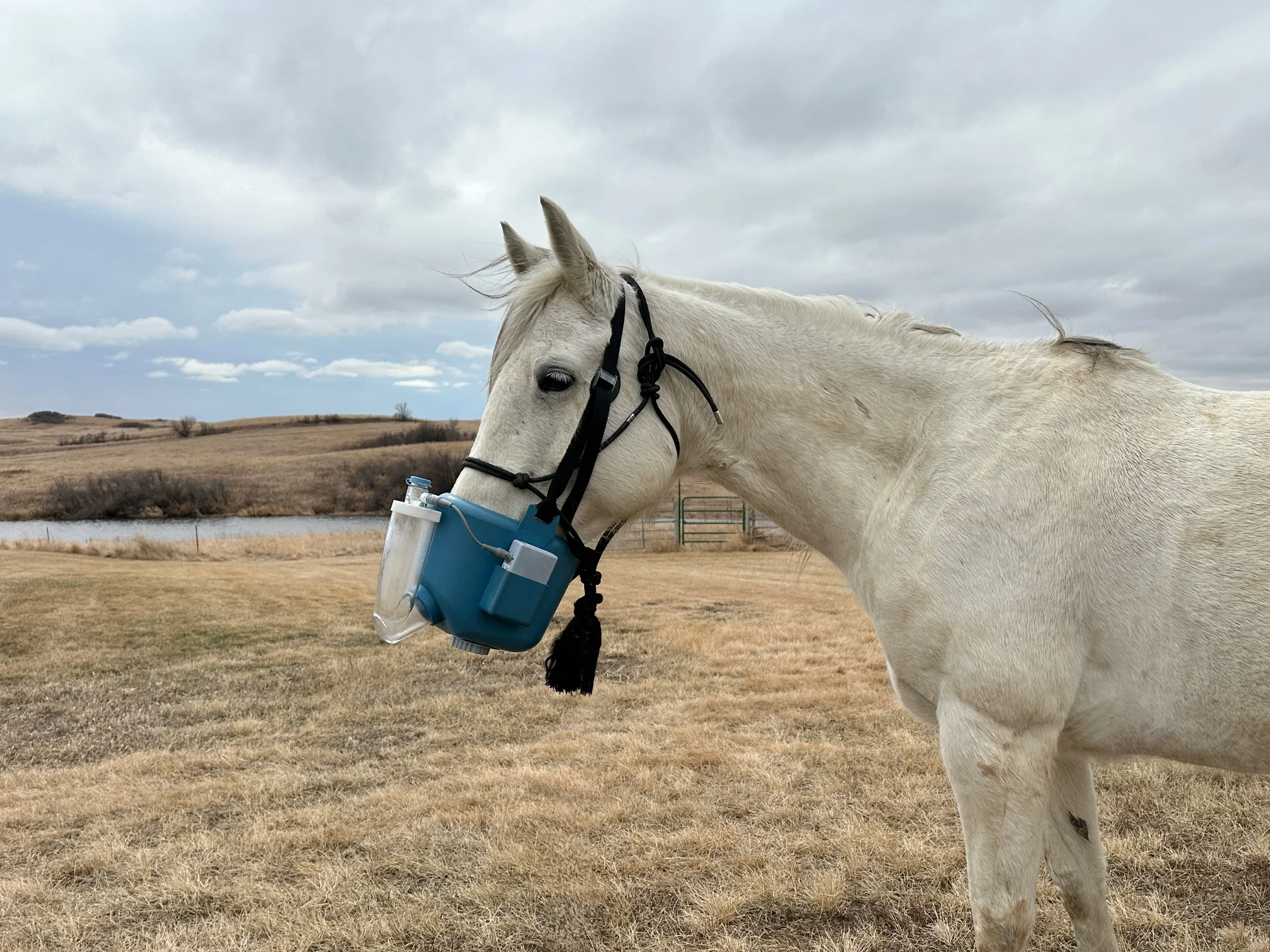
Respiratory difficulty
Respiratory concerns from air pollution, dry and dusty conditions, wildfire smoke, etc.
An increase in carbon dioxide concentrations in the atmosphere can increase pollen production and enhance allergy symptoms and conditions like asthma.
05
Infectious disease
Infectious disease spread, as disease-carrying species migrate and spread further around the world.
06
Digestive and metabolic issues
The risk of digestive and metabolic issues, such as laminitis, could be higher due to changes in the way grass grows and less reliable access to forage in poor harvest years. This may mean changing the way we feed our horses.