A faecal egg count is a way of finding out whether your horse needs worming treatment.
It is a vital process both for horse health and ensuring that we do not overuse deworming drugs. Historically, horse owners have routinely wormed horses at regular intervals to ensure blanket treatment, irrespective of whether the horse requires medication. Faecal egg counting enables a more targeted approach, only treating horses when they need help.
Why should we do a faecal egg count?
The worming drugs (anthelmintics) used on our horses do an incredible job of keeping worms and parasites at bay in our horses’ guts. But overusing them has created some dangerous side effects.
01
Bad for horses
Anthelmintic resistance is a serious concern for equine vets and is the consequence of overusing the drugs. As with the overuse of antibiotics in humans, continuous use of deworming drugs in horses has had the opposite of the desired effect, and risks leaving us unable to protect horses from dangerous worm burdens.
02
Bad for nature
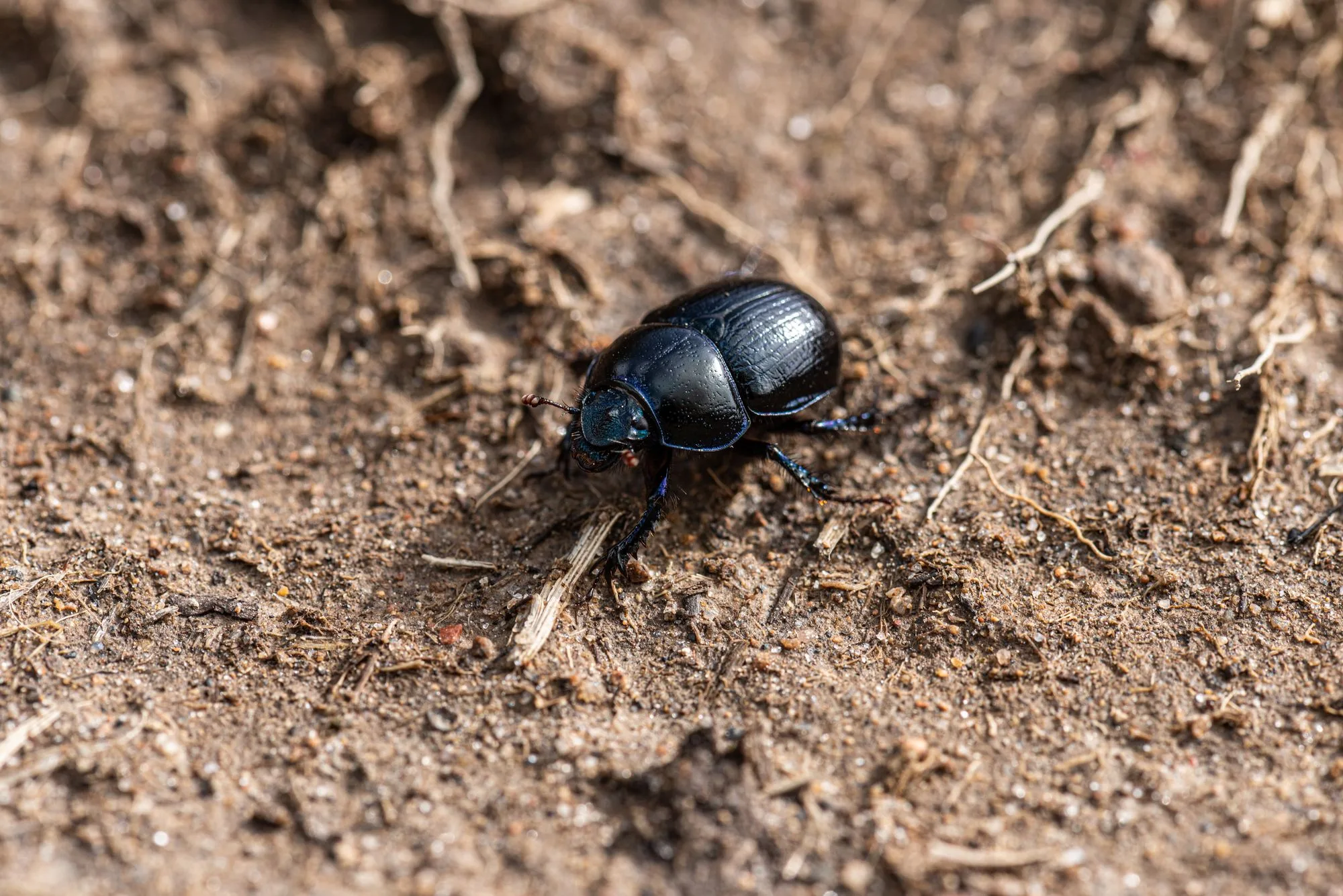
Anthelmintics are so effective that, for up to 4 days after worming, your horse’s poo contains high concentrations of these drugs (as much as 90% of the drug is excreted!), which act as a potent toxin to other bugs, such as dung beetles and earthworms, in the environment. This means that a paddock filled with horse poo from a freshly wormed horse is a death sentence for the local ecosystem.
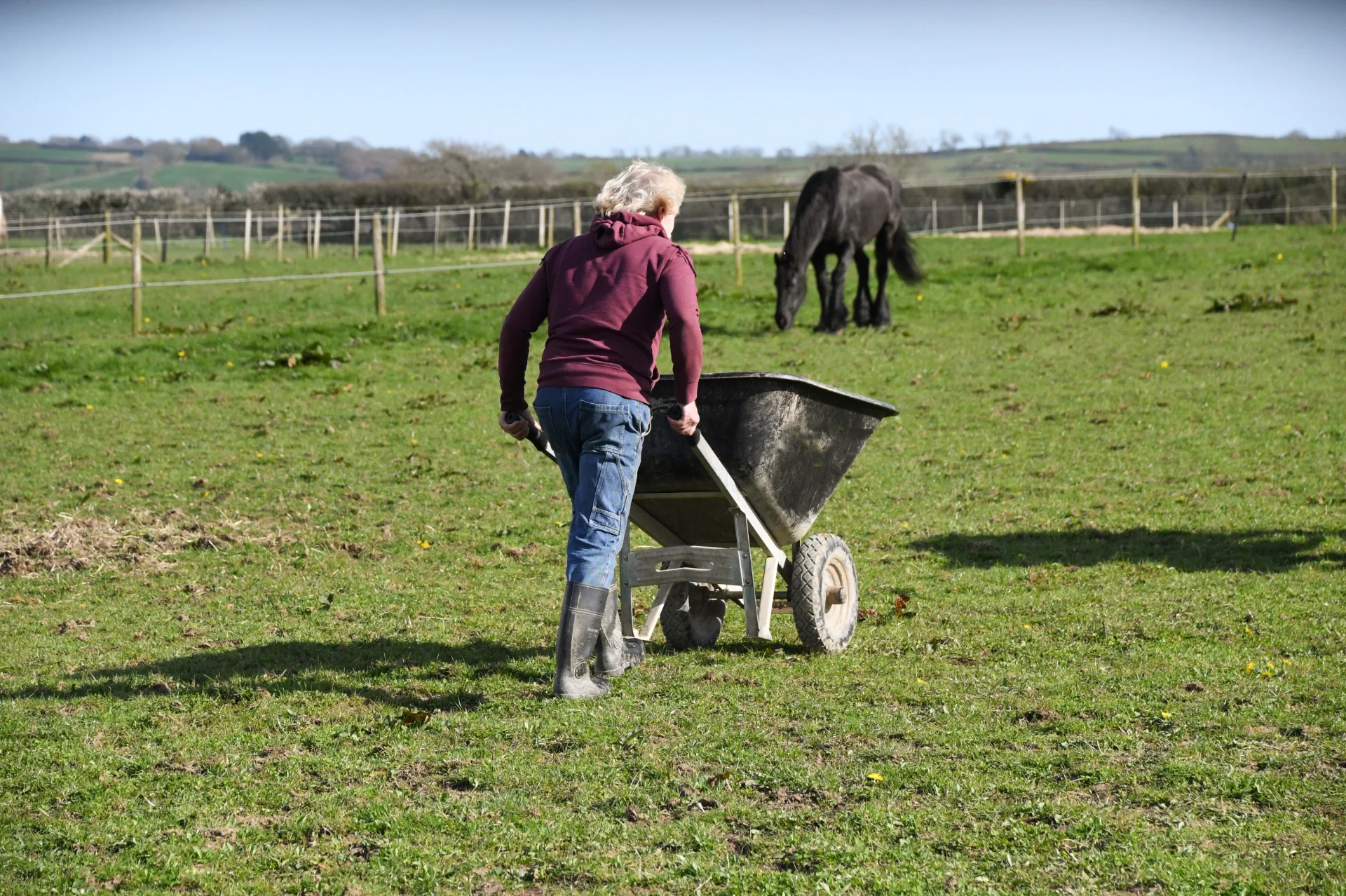
Horses that have to be treated with these drugs should therefore be kept in, or their paddocks poo-picked very regularly after worming, to remove the wormer toxins from the field environment.
The role of a dung beetle
Dung beetles both feed on and bury manure. Their activity reduces parasite and fly populations by disrupting the cycle of egg hatching in the moist manure environment, as the beetles bury or dry out the manure.
Digging down deep and burying manure also supports soil health by dragging the nutrients in the poo below the surface, benefiting soil microbes, aerating compact soil (a common problem in horse fields!) and creating small drainage systems.
So what is the alternative?
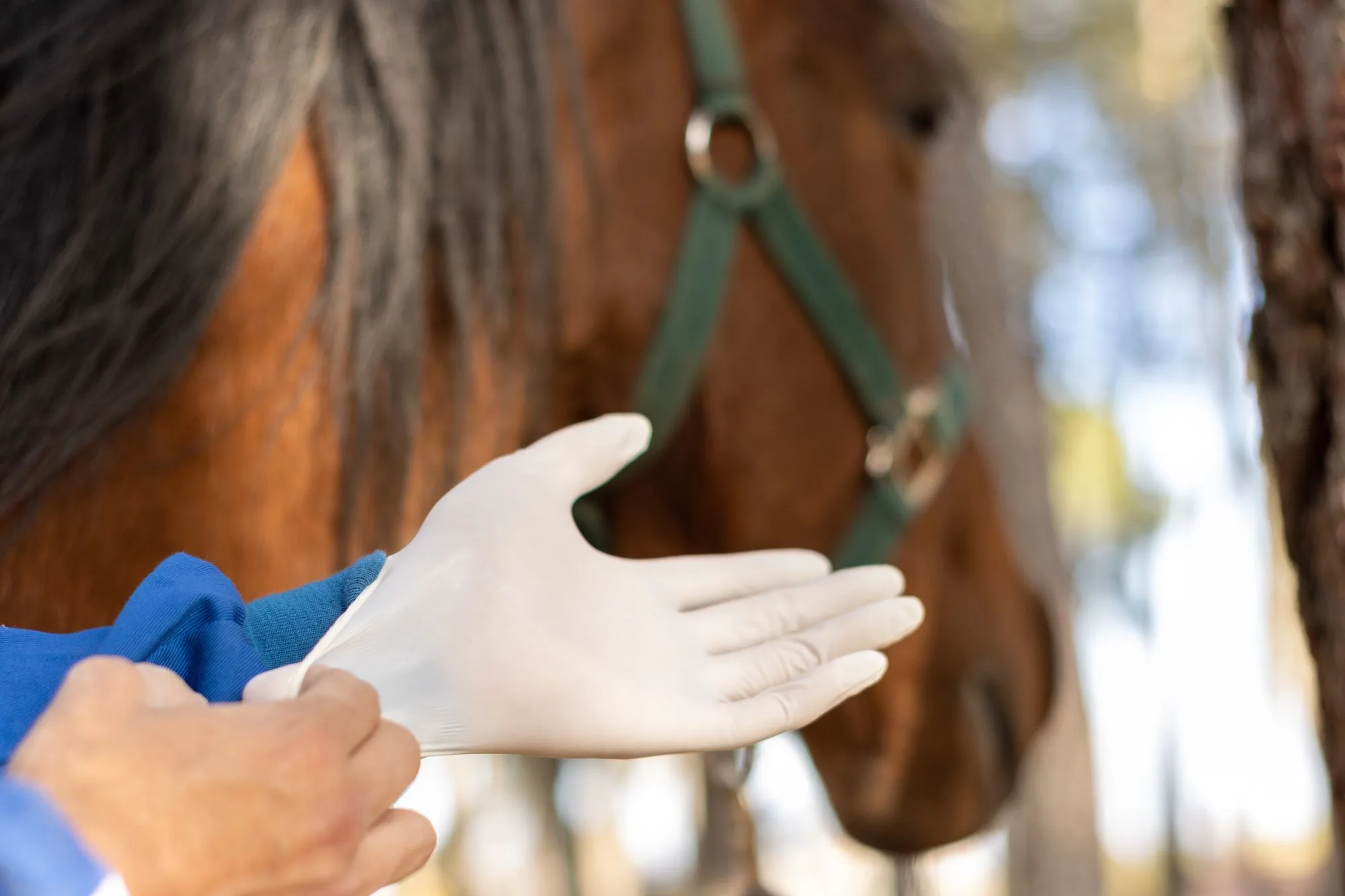
Rather than routine worming, a faecal egg count can be carried out. This checks the number of parasite eggs found in your horse’s manure, to target what, if any, worming needs to take place.
How to do an egg count
1
Get a collecting pot
Obtain a collecting pot from your vet or through Westgate Labs.
2
Collect the manure
Make sure you know exactly which horse’s poo it is if collecting from a shared field or stable environment!
The poo must be fresh (within a few hours of excretion).
Take the poo from the top of the manure pile and tightly compact it into the pot.
3
Seal and label
Seal your sample and label with the horse’s name, and sample date and time.
4
Store it somewhere cool
Store it somewhere cool (but don’t freeze!) until sending it for testing.
5
Send it for testing
Post the sample to the testing lab, or drop it in for testing with your vet (check with the veterinary practice first for when it is best to do so!).
6
Wait for the result
You will get guidance on what (if any) wormer is required. Results typically take 3 to 5 days with most postal services, depending on the day you post it (this could be slower over a weekend, so posting on a weekday is recommended).
Remember
Testing your horse’s poo is important for your horse’s health and the environment. It only takes a few minutes and should be done each season.
Keep going
Find out how toxins affect your horse’s environment