Pollution and toxicity explained
Health and wellbeing for horse and human is the primary concern of every part of the equestrian industry, but there is a hidden danger that affects our surroundings every day. Pollution and toxicity in our air, water and land is an environmental challenge that has rapidly impacted every part of the UK over the last century, and affects every part of our ecosystem.
Our polluted world
Globally, almost every part of the natural world is polluted, whether that be microplastics found at the deepest depths of the ocean and tallest peaks of the mountains, or chemicals creating toxic air and land. Through our manufacturing, mining, construction, farming, transport, pharmaceutical, waste management and industrial practices, humans have polluted oceans, rivers, streams, habitats on land and in the air for decades, even centuries.
Air pollution explained
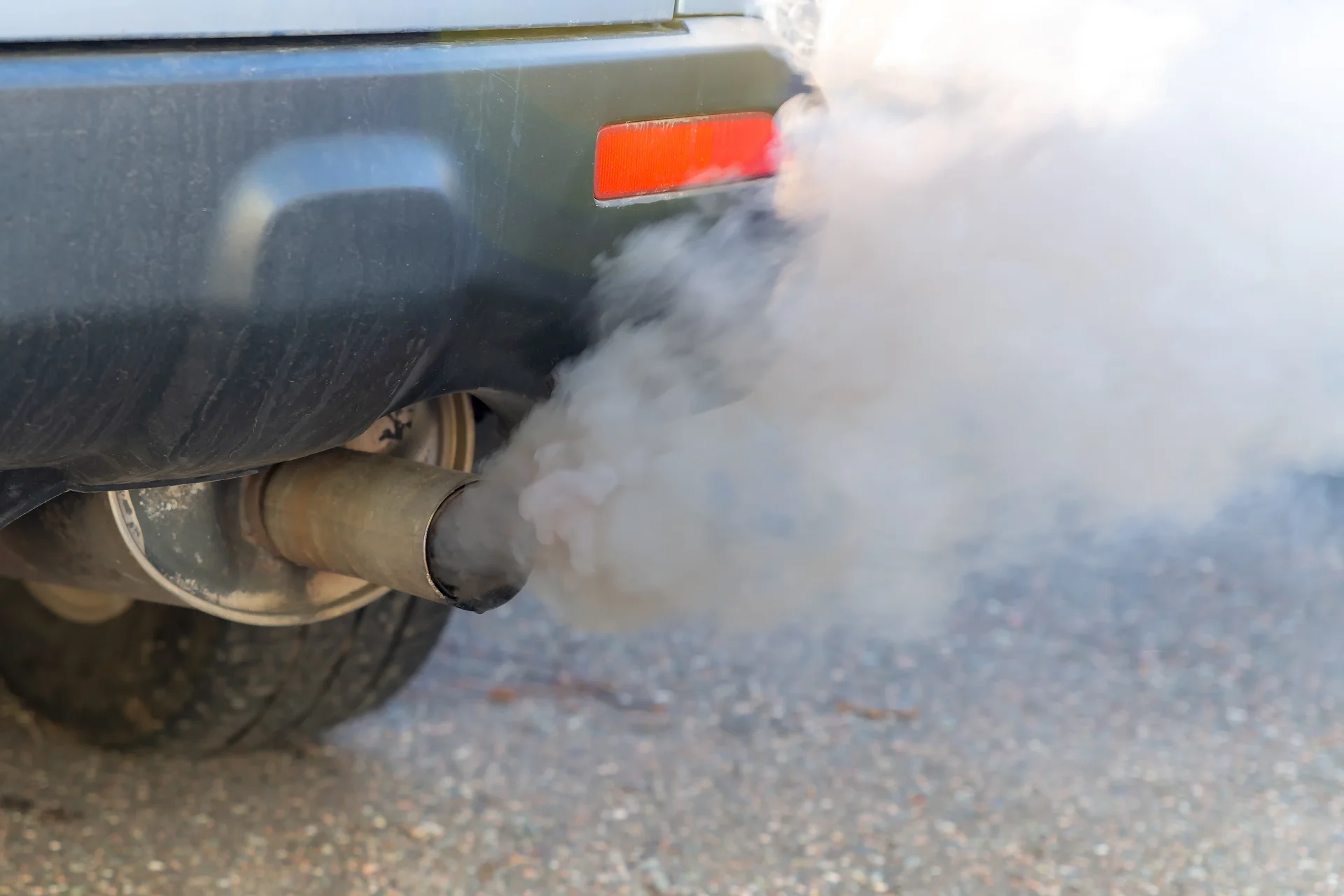
In the UK, road traffic is one of the biggest causes of air pollution, with petrol and diesel vehicles emitting nitrogen and carbon dioxide into the air we breathe. Other sources of air pollution in the UK are the burning of fuel for heating, including wood burning stoves, agricultural practices, which release ammonia into the atmosphere from manure, slurry and the application of chemical fertilisers, landfill and waste incineration, and industrial combustion, with factories producing a range of gases.
Tiny particles, known as particulate matter, can make their way into our lungs, risking significant health issues. But it also damages nature, including impacting our vital pollinators by masking the flower scents, making it difficult for bees and insects to track food sources.
For more information on daily air pollution news, click here, or here. Or for tools and resources about air pollution in the UK, click here
Water pollution explained
Our rivers, oceans and streams are polluted through chemicals, sewage, pharmaceuticals, plastics and litter, with the UK suffering many of the most polluted rivers in Europe. Pollution in our waterways derives from a range of sources, with agricultural run-off, industrial contaminants, the pumping of raw sewage and microplastics leading the top causes of pollution.
The images of sea life killed by plastic have become some of the most compelling on our TV screens and the impact of pollution in our oceans has far reaching impacts on the marine ecosystem and our own health. Much of the health and wellbeing of our planet depends on the health of our oceans, which sequester almost a third of all carbon dioxide created by our activities and absorb 90% of the excess heat trapped in the Earth’s atmosphere. Protecting our oceans and the marine life living within them is a key priority to a sustainable future.
The pumping of raw sewage into the waterways around the UK is having a significant impact on the health of both marine life and humans coming into contact in the vicinity. Data regarding sewage discharges can be monitored through a range of outlets. For more information on sewage pollution, click here.
Land pollution explained
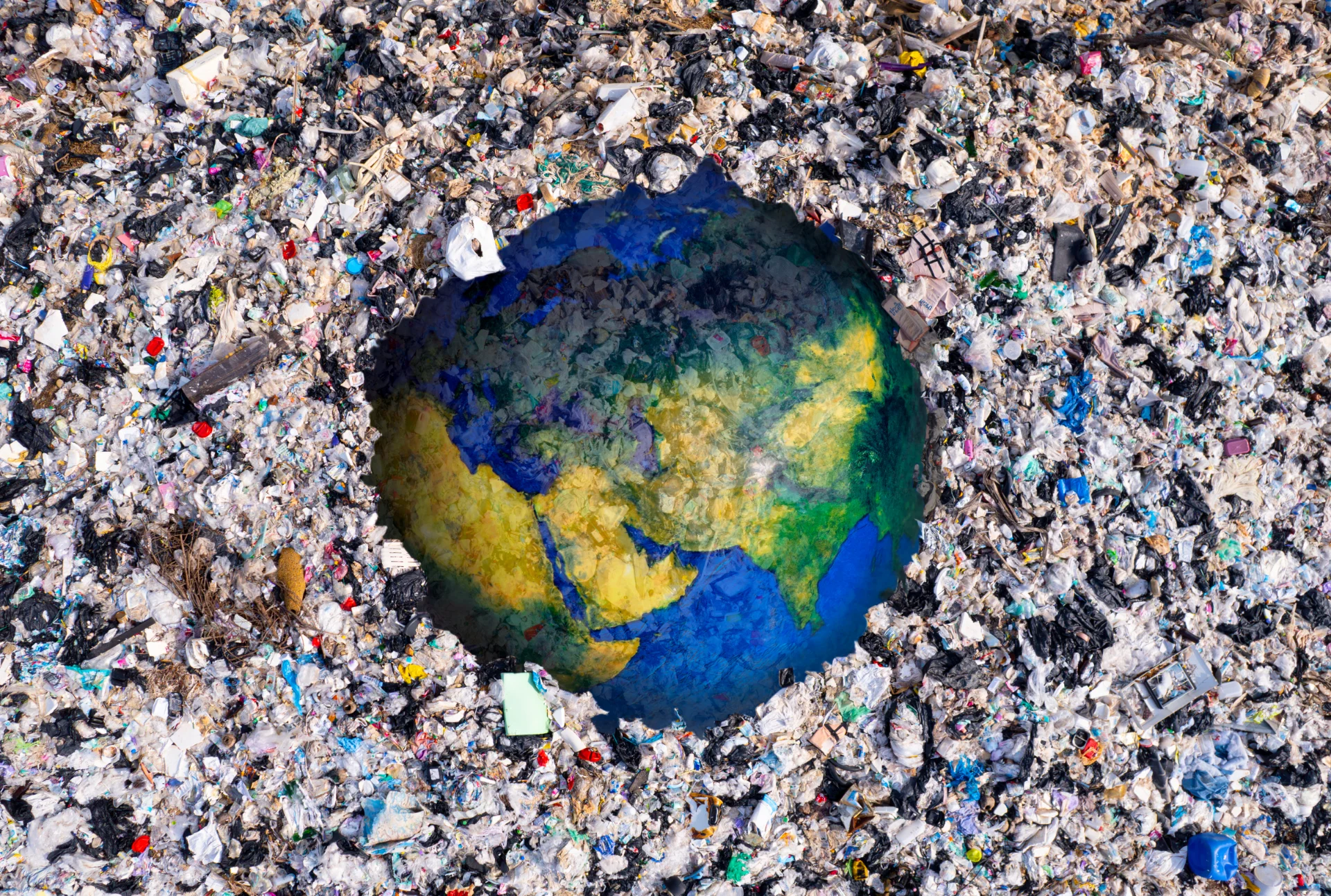
Pollution of our land reaches beyond littering, into the harmful contamination of chemical substances in our soil, along with pharmaceuticals and toxic or even radioactive waste. During the industrial revolution and in subsequent decades, factories, mines, steelworks and other industrial buildings and old landfills created a toxic mix of materials in our land that still affects our soil and the health of animals and invertebrates who rely on the land for their habitat and food.
Today, land pollution largely derives from waste management practices, agriculture, construction and a range of particulates whether plastic, chemical or pharmaceutical, as a consequence of everyday modern living, like the shedding from tyres on the roads or cleaning products containing chemicals.
Toxicity in our land impacts the natural world in a range of ways, but of most concern is the systematic damage done to our soil, which is necessary for food security and health. To understand more about the health of our soils and toxicity, click here.
Today
Everyday modern living
- Tyres shedding on roads
- Cleaning products
- Littering
Today
How we use the land
- Waste management
- Agriculture
- Construction
In the soil
Particulates that build up
- Plastic
- Chemical
- Pharmaceutical
- Toxic and radioactive waste
Since the industrial revolution
The industrial legacy
- Factories
- Mines
- Steelworks
- Old landfills
Our soil: necessary for food security and health
Our health in jeopardy
This pollution not only damages the wellbeing of birds, animals and marine life sharing our world, it impacts our health and wellbeing. According to the UK government, air pollution alone impacts us at every stage of our life, from low birth weight in pregnancy to asthma and developmental problems in childhood, coronary heart disease as an adult and lung cancer, diabetes and even dementia later in life.
In the land and water, pollutants are consumed by us every day in the food we eat and water we drink, as chemicals and microplastics impacting our food chain inevitably end up within us.
Did you know: According to the UK Government, human-made pollution causes between 28,000 and 36,000 deaths annually. [source]
Pollutants in our equestrian lives
Chemicals, plastics, pharmaceuticals and waste are hidden in plain sight throughout our yards, businesses and venues. Given that our health and that of the planet are inextricably linked, taking steps to help one will safeguard the other, and that of our horses.
Within our yards, businesses and events, we can often find several of the following items that risk causing pollution and contamination.
Chemicals in grooming products
Chemicals in stable cleaning products
Microplastics in arena surfaces
Microplastics shed from poly based horse rugs
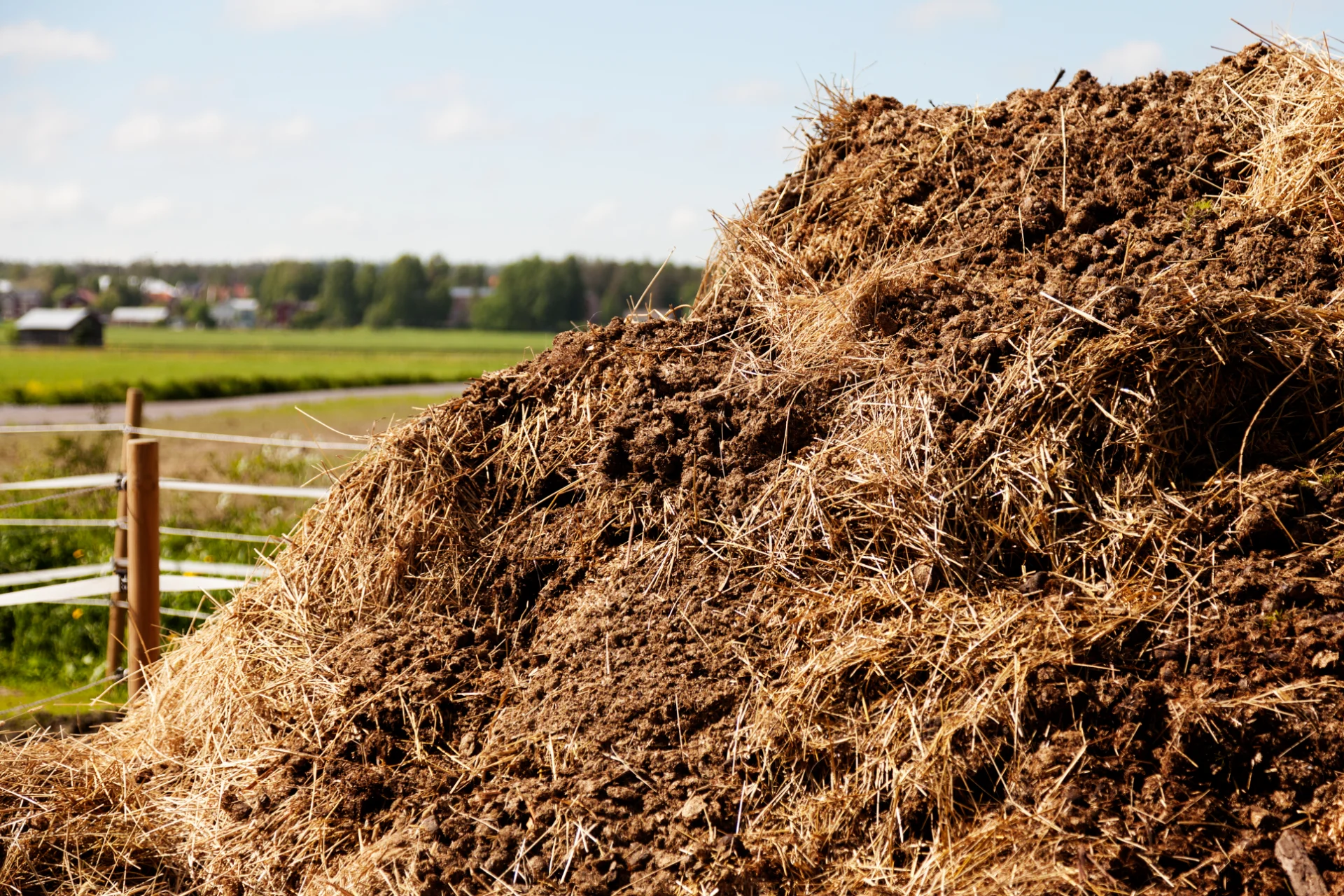
Run off from manure heaps
Waste water from hay soaking
Chemicals used during farriery
Pharmaceuticals used during veterinary visits
The use of de-worming drugs
Toxins from machinery and equipment
Explore more articles
What climate change is, what causes it and what it looks like in the UK.
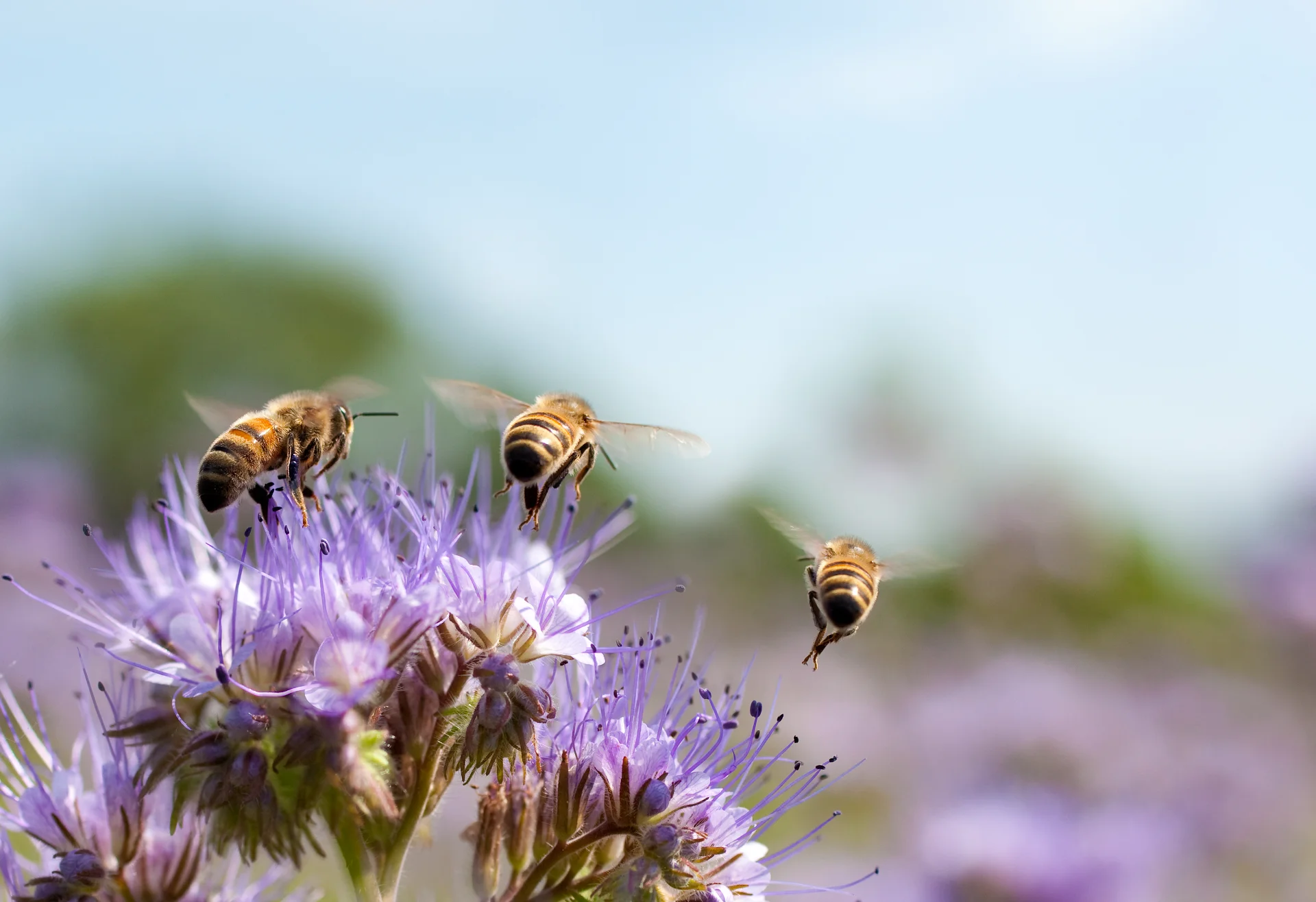
Why nature is in crisis and what it means for horses.