How to get funding
Types of funding
In many cases there are low-cost quick wins for making changes in your yard. However, some options (for example, solar panels) will need some upfront investment, which can be the key reason why a change isn’t able to be made.
Funding opportunities do exist to support this, if you know where to look. Below are some suggested funding options to explore. The relevance and eligibility of each will relate to your personal circumstances, but this guide aims to show the types of funding opportunities that exist, to get you started.
Grants
A subsidy to cover all or part of the cost of something. Non-repayable, but often with restrictions on how the funding can be used.
Finance
A loan or pay-back plan, to spread out the cost of an upfront investment over time, making payment more manageable.
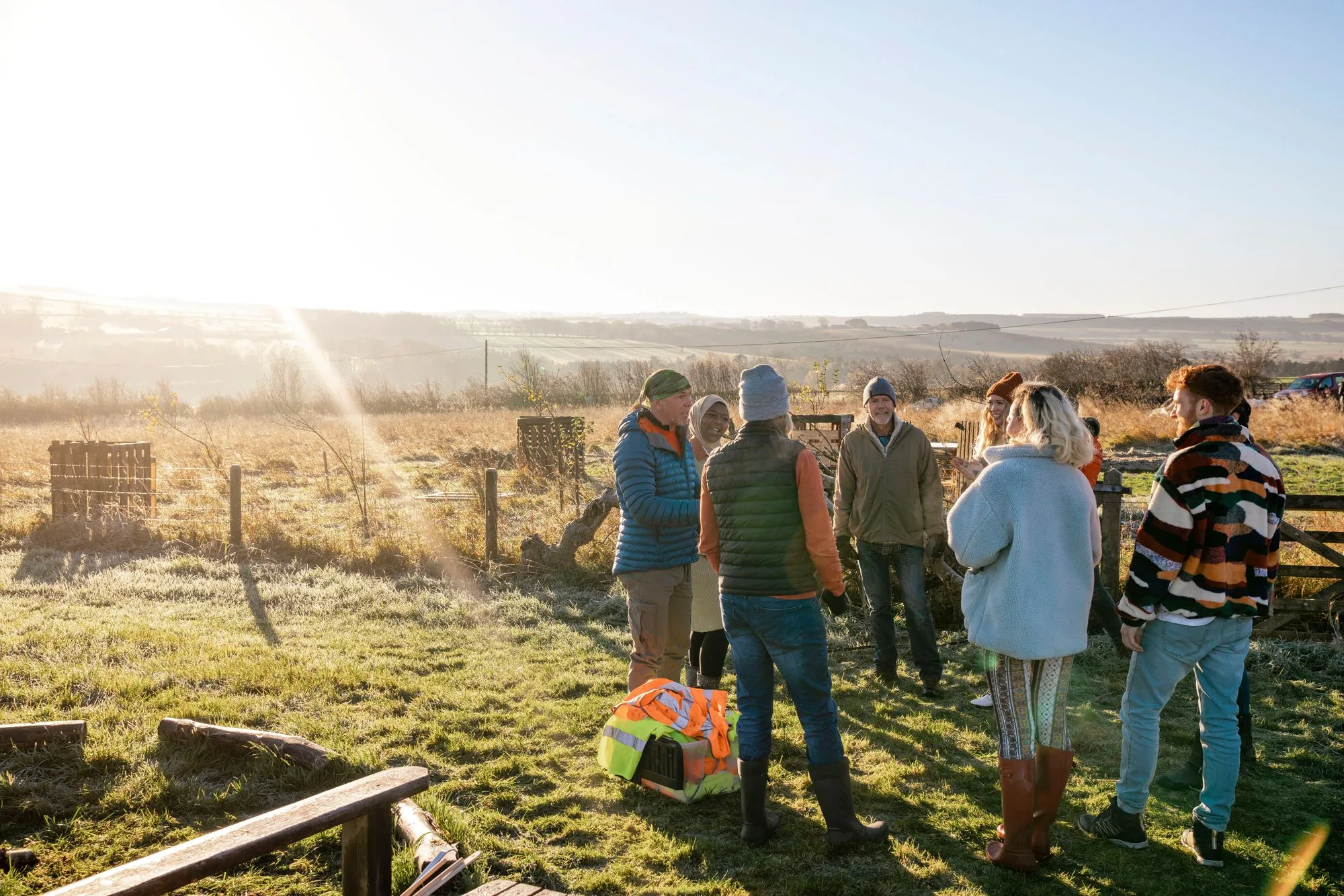
Local and community funding
Throughout the UK, local and community funding opportunities exist that are applicable only in certain areas. Look at what specific funding is available in your Local Authority and the eligibility criteria for these, as they will be location-specific. These include:
- Rural business energy grants
- Nature recovery grants
- Community decarbonisation grants
Some wider funding pots exist for sustainability-led initiatives. For example, the National Lottery Awards for All provides grants from £300 to £20,000 for community-led projects under the Environment programme.

Funding by category
Common categories of relevant funding are summarised below. See GOV.UK for national and England-specific schemes.
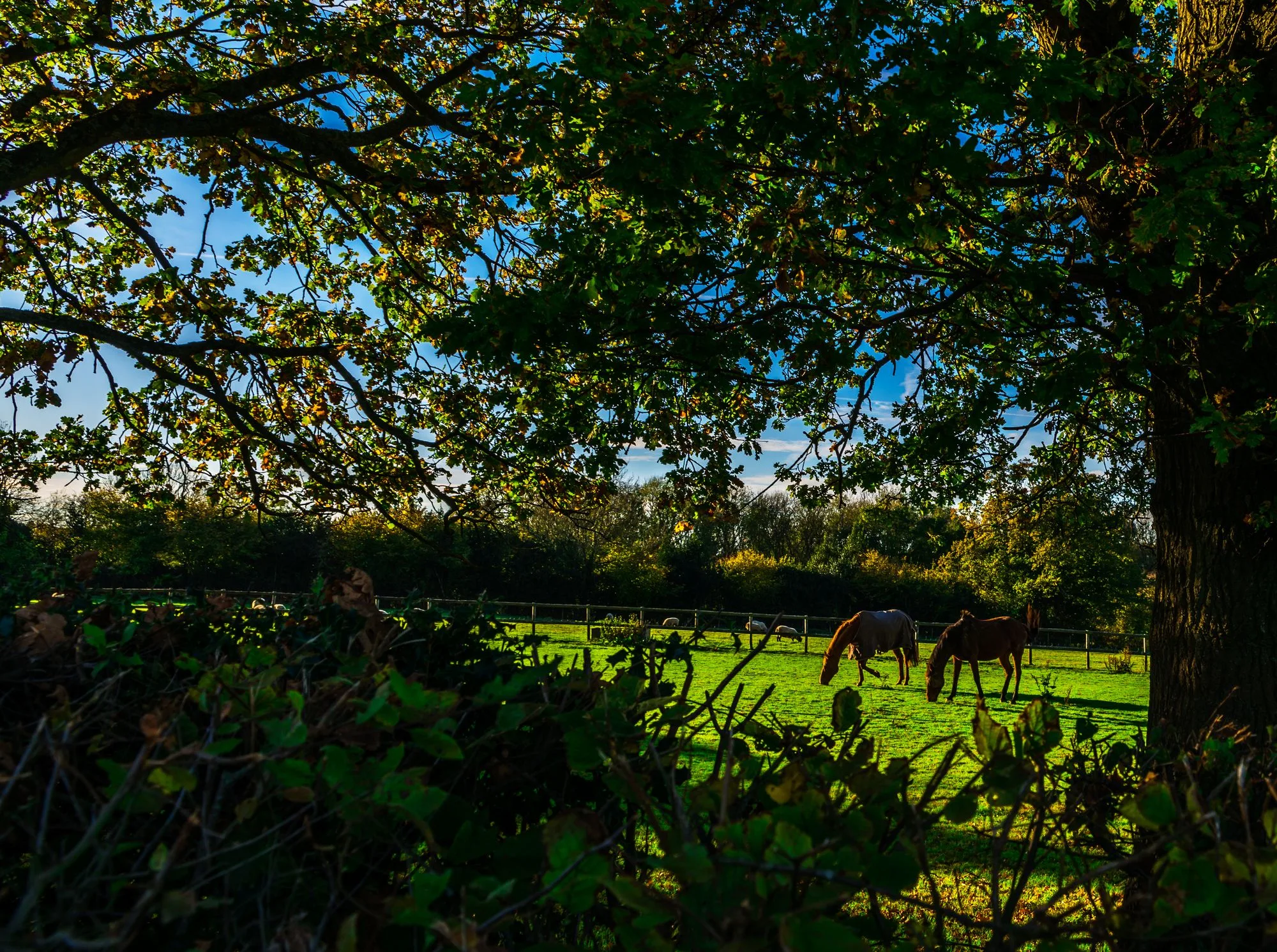
1. Land management, nature, biodiversity recovery and woodland
These often apply to farmers, in many cases but not all, and you may be eligible if your equestrian setup is on a farm. Usually you will need agricultural land at your premises and a Single Business Identifier (SBI) number to apply.
Farming in Protected Landscapes (FiPL)
If you have mixed equine and farming premises that are also in a National Park or National Landscape (previously called an Area of Outstanding Natural Beauty, or AONB). Funding applications for things such as tree and hedgerow planting, wetland creation, water management, renewable energy, community engagement and education and more have proven to be successful in many cases for horse yards that are eligible.
UK Nature Impact Fund
Funding biodiversity recovery projects in the UK.
Trees for Climate Fund
A fund backed by a partnership between National Trust, Woodland Trust and the Community Forest Trust.
Capital grants for hedgerows
The current rate is £22.97/metre of new hedgerow planted, and £13.52/metre for hedgerow laying (i.e. restoring hedgerows around paddocks and along field perimeters).
England Woodland Creation Offer (EWCO)
Grants for woodland creation, with an upfront funding package as well as maintenance payments, paid annually for up to 15 years. If you have a suitable, well-sized area for woodland creation, this can be a good opportunity.
Woodland Creation Planning Grant
Forestry Commission support for creating a woodland creation plan, for landowners, land managers and public bodies.
SFI, Capital Grants and Higher Tier
Some Sustainable Farming Incentive (SFI) actions, Capital Grants (closed for 2026) and Higher Tier Grants can be used for wildflower planting, habitat creation projects and more, but are highly sought after and can be very tough to get approval for.
2. Water management
Capital Grants (Defra)
Reviews applications for water quality, natural flood defence and water efficiency technologies. This could include rainwater harvesting, drainage improvements, natural flood management and runoff prevention and more.
Farming Investment Fund: Water Management Grant
If you have mixed equine and farming premises. This funding often focuses on irrigation and reservoir projects; however, in some cases, funding for water storage and efficiency technology might be eligible.

3. Renewable energy finance and grants
Smart Export Guarantee (SEG)
This can subsidise costs and create a greater return on investment as you are able to sell excess renewable energy back to the grid.
Farming Investment Fund
If you have mixed equine and farming premises. This fund also provides grants that could be used for equipment and technology such as solar panels, battery storage (for the solar), water management equipment, and more efficient equipment, to reduce energy use.
Boiler Upgrade Scheme
Some funding opportunities for heat pumps (air and ground) have been withdrawn in recent years, but some domestic and small non-domestic applications for the Boiler Upgrade Scheme might be applicable and provide partial or full coverage of costs to replace fossil-fuel heating with heat pumps or biomass boilers.
Think outside the box
Funding may also come from slightly more obscure, case-specific applications. For example, Innovation Grants, which may be supported by local or regional growth funds.
This may be for supporting a project that is trialling new technology, or where notable and sustained environmental benefits can be demonstrated through an innovative project that is replicable, or the benefits are widespread.
Funding in Wales
Many rural grants are available in Wales; an overview can be found on the Welsh Government site. Some examples of relevant funding include:
Small Grants (Woodland Creation)
For land in Wales, minimum area 0.1ha and maximum 1.99ha.
Small Infrastructure
Provides funding on small-scale infrastructure for water management and animal health. Only applicable to farmers, so only an option for mixed farming and equine premises.
Woodland creation planning scheme and grant
For areas over 0.25ha, applicable for farmers, landowners and land managers. Funding to get advice from a Registered Woodland Planner, and development of a woodland creation plan. Once approved there is a follow-on grant for woodland creation also open for application, subject to approved plans.
Explore more articles
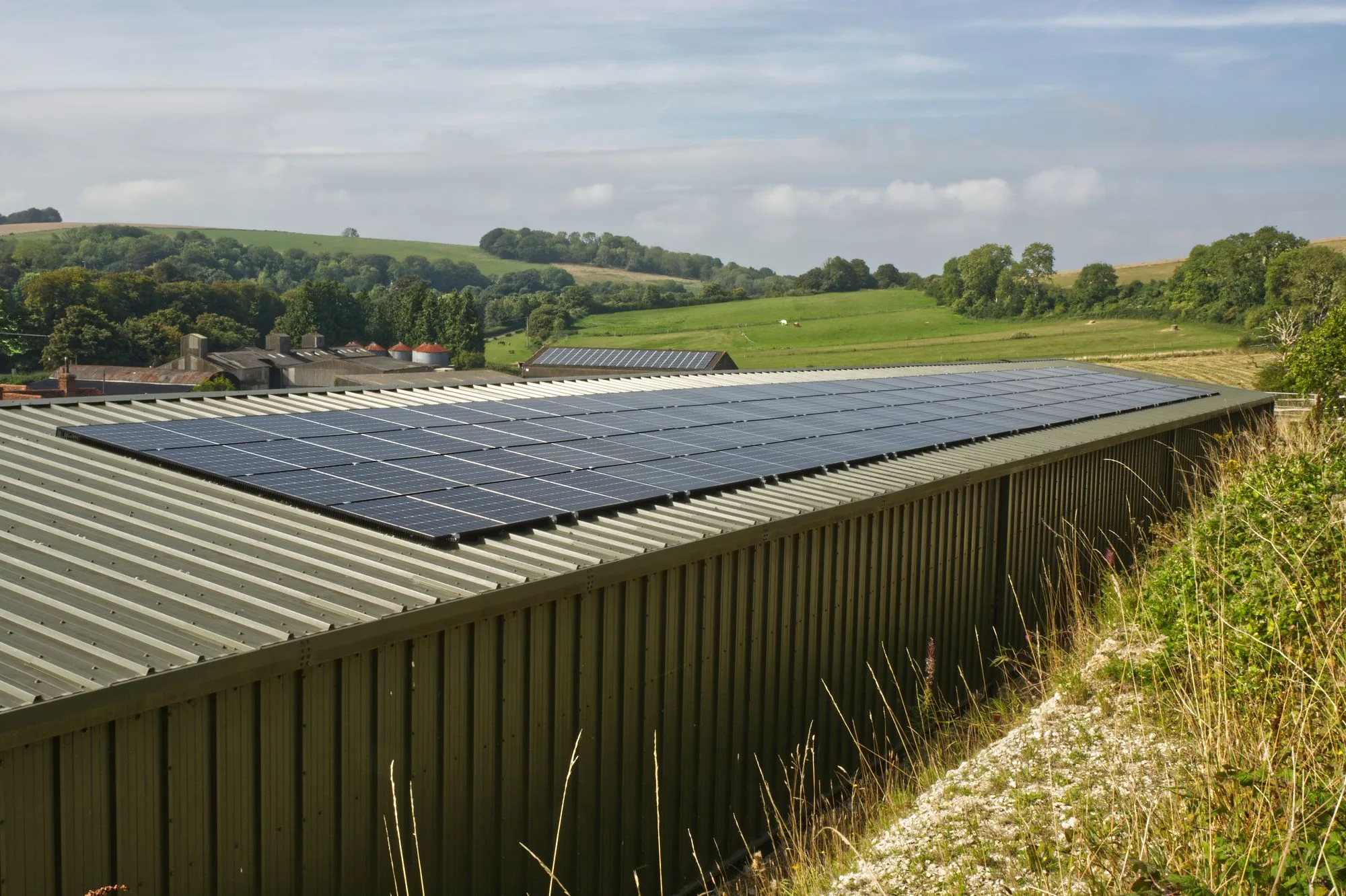
Turn your stable roofs into cheap, renewable electricity.

Collect, store and use the rain that falls on your yard.
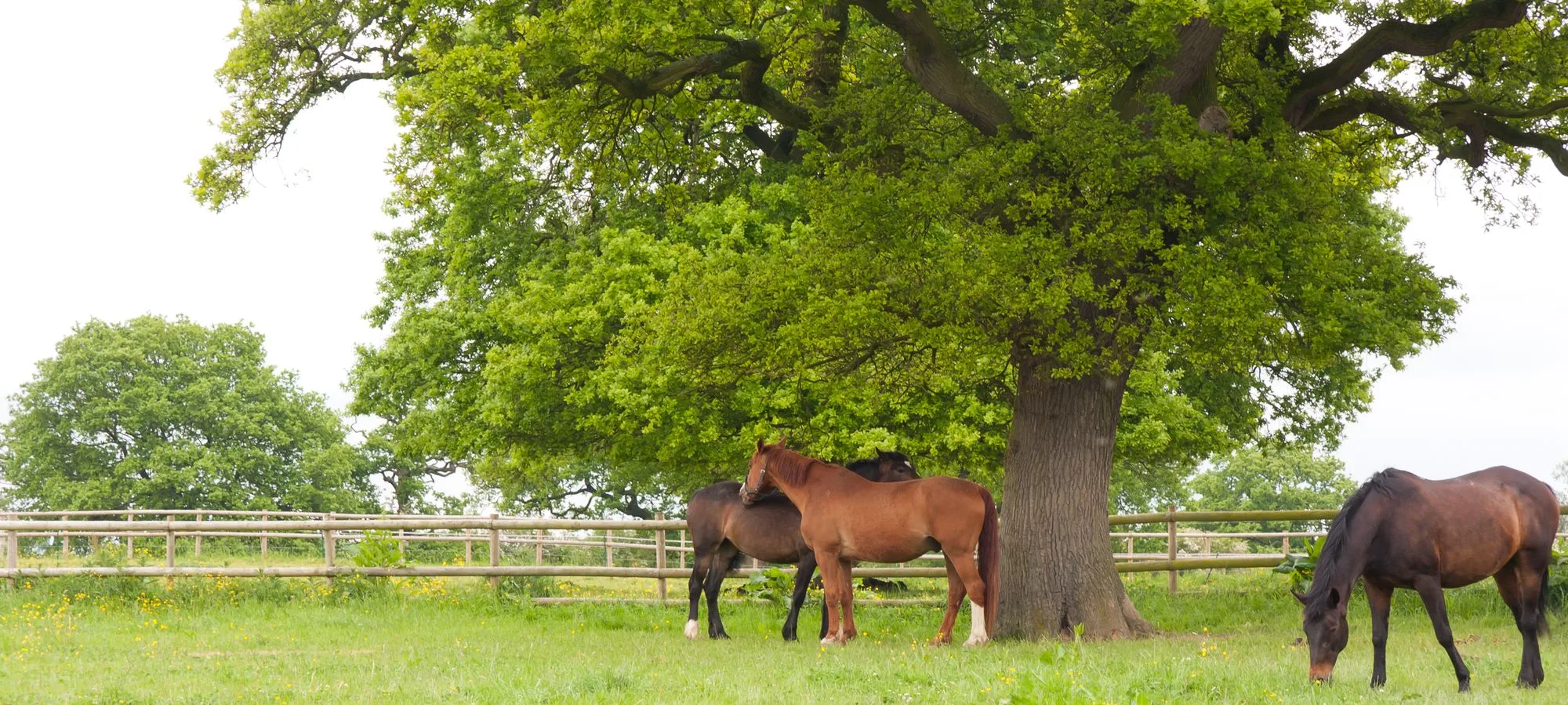
Which hedging and trees are safe to plant for horses.