How to reduce single use plastics
The plastics problem
Single use plastics are everywhere.
Plastic gets into the natural environment as whole or partly broken-down items, or breaks down into ‘microplastics’, which can get into waterways, soils and even our bodies and bloodstreams. Microplastics have now been found from the polar regions of the world, down to the deepest parts of the ocean, and even in placentas. Plastic pollution is a global problem, and this is hugely concerning for both the health of our natural systems, as well as our biological health.
Microplastics in the land affect the soil’s chemical structure and impact the quality of land for growing food and rearing animals, as well as flora and fauna in wild spaces.
One of the most important things we can do for our own health and the health of our horses and the planet is to substantially reduce our use of single use plastics and take care in the disposal of plastics.

Research suggests microplastics can affect growth and cause inflammation, and they have been linked to health problems including cancer, heart disease and fertility issues.
Where are plastics found in the yard?
Common single use plastics found at equestrian yards:
- Grooming product bottles (sprays, shampoos, hoof oil tubs, wipes etc.)
- Feed and supplement packaging (plastic-lined feed bags, supplement tubs and scoops)
- Bedding packaging from shavings, straw, paper etc.
- Water bottles, coffee cups, plastic food containers and wrappers
- Worming and vet care tubes and containers
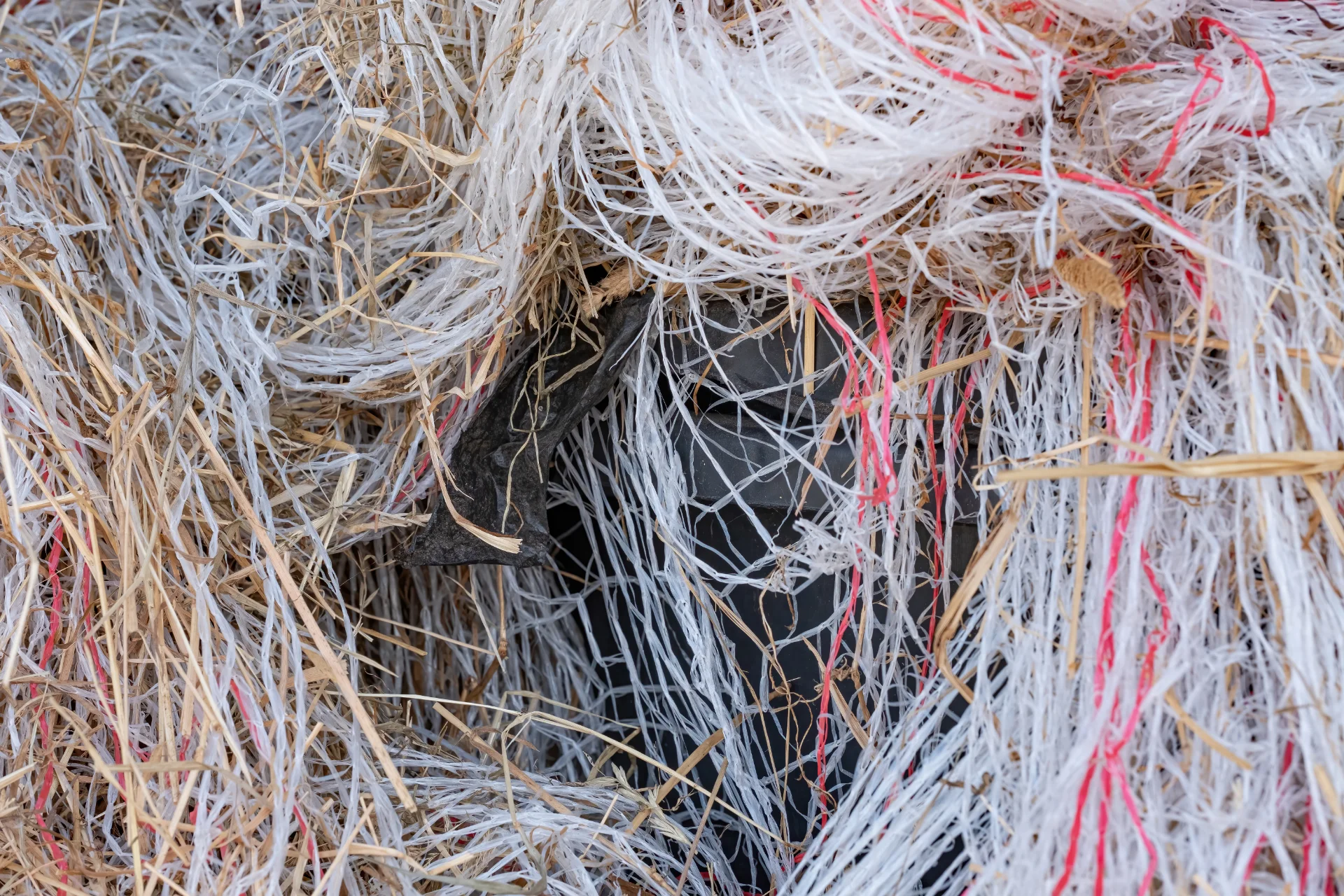
- Baling twine
- Plaiting bands
- Plastic wrap from haylage
- Cleaning bottles and equipment, including gloves.
The list could go on, but these are some of the most commonly found single use plastics on yards and in equine environments.
Because keeping our sport clean is so important, plastic is currently the only viable option for supplement containers. However, innovations in the near future will help the industry move away from single use plastic.
How to remove or swap out single use plastics
Identify the most common single use plastics sources in your yard.
Gather these up over a week or two to understand the most common sources for you. This shows you where to start: the single use plastic you use most.
Research alternatives.
Look for ‘single use plastic free horse products’ in your search engine or at your local equine store.
Buy refillable options.
Whilst the upfront cost of the refillable container might seem higher, the refill products often work out cheaper, and pay for themselves quickly! A win for both the environment and your bank balance.
Create a refill culture as the norm in your yard environment, encouraging the use of refillable bottles, bringing or providing mugs instead of single-use coffee cups, and looking into options for buying in bulk and dispensing products that often come in plastic containers (like feed, supplements, treats etc.)
Aim to buy plastic-free products, avoid products with lots of plastic packaging and buy in bulk where this will reduce packaging.
Where single-use plastic packaging is unavoidable (e.g. bedding bags and supplements), look for brands that offer to take back and recycle your plastic waste, or where the product has 100% recyclable plastic packaging.
Re-purpose plastic packaging.
We’ve all used a supplement tub to store little yard items in, saving on waste and the need to buy new containers.
Hold your favourite brands accountable.
Ask them what they recommend you do with your plastic waste from their products, or ask them to offer lower-plastic options such as removing the scoop from a supplement tub if you already have one. Move away from brands that can’t show a commitment to reducing plastics, especially single-use, in their own products, or that don’t offer solutions such as take-back and recycling schemes.
What about plastic that isn’t single use?
Plastic exists in our world, and what makes plastic both good and bad is that it lasts forever.
So the solution is to avoid creating new plastic (virgin plastic) and to use existing plastic for items that won’t leach into the environment and will be used forever. Good examples of plastic use in the yard are Duralock recycled plastic fencing and Mud Control matting.
Start with the single use plastic you use most
Gather up your single use plastics over a week or two. The biggest pile shows you where to begin.
Explore more articles
Simple swaps for a healthier yard, horse and environment.
Everyday choices to cut fossil fuel use at home, yard and business.
Repair, care for and reuse the tack you already have.