How to install rainwater harvesting
Water: our most precious resource
As horse owners, it is essential to ensure on a daily basis that yards are supplied with sufficient water.
From drinking water and soaking hay to washing and cleaning horses and everyday yard jobs, water is an essential resource that is often taken for granted and wasted.
This high water demand for equestrians becomes an even bigger concern with our changing weather patterns. Prolonged periods of drought and heat, which will become normal in the UK due to climate change, mean horses may need extra water for drinking and cooling at a time of scarcity in the hot spring, summer and even autumn months.
It is important to ensure that we have plenty of safe water available at all times, no matter the climate, and that we are using water responsibly in our yards.

Rainwater harvesting (collecting, storing and using rainwater) can help improve a yard’s resilience to changing water availability, and reduce the cost of buying mains water.
Why harvest rainwater?
There are many benefits to adopting a rainwater harvesting system on your site:
Reducing the cost of mains water
Reducing the volume of waste water
Ensuring water availability during a drought or hosepipe ban
Reducing your carbon footprint
Yes, the process of providing drinking water to our houses and yards creates greenhouse gas emissions!
What can you use rainwater for? Everything!
Washing horses
Drinking water for horses
Cleaning yard equipment and tack
Cleaning machinery
Watering plants
Irrigation for arena surfaces
We can use harvested rainwater for every job on the yard; the key is to know how much water you need, in what location and for what job. That will tell you what type of system to set up.
So how can a rainwater system be set up?
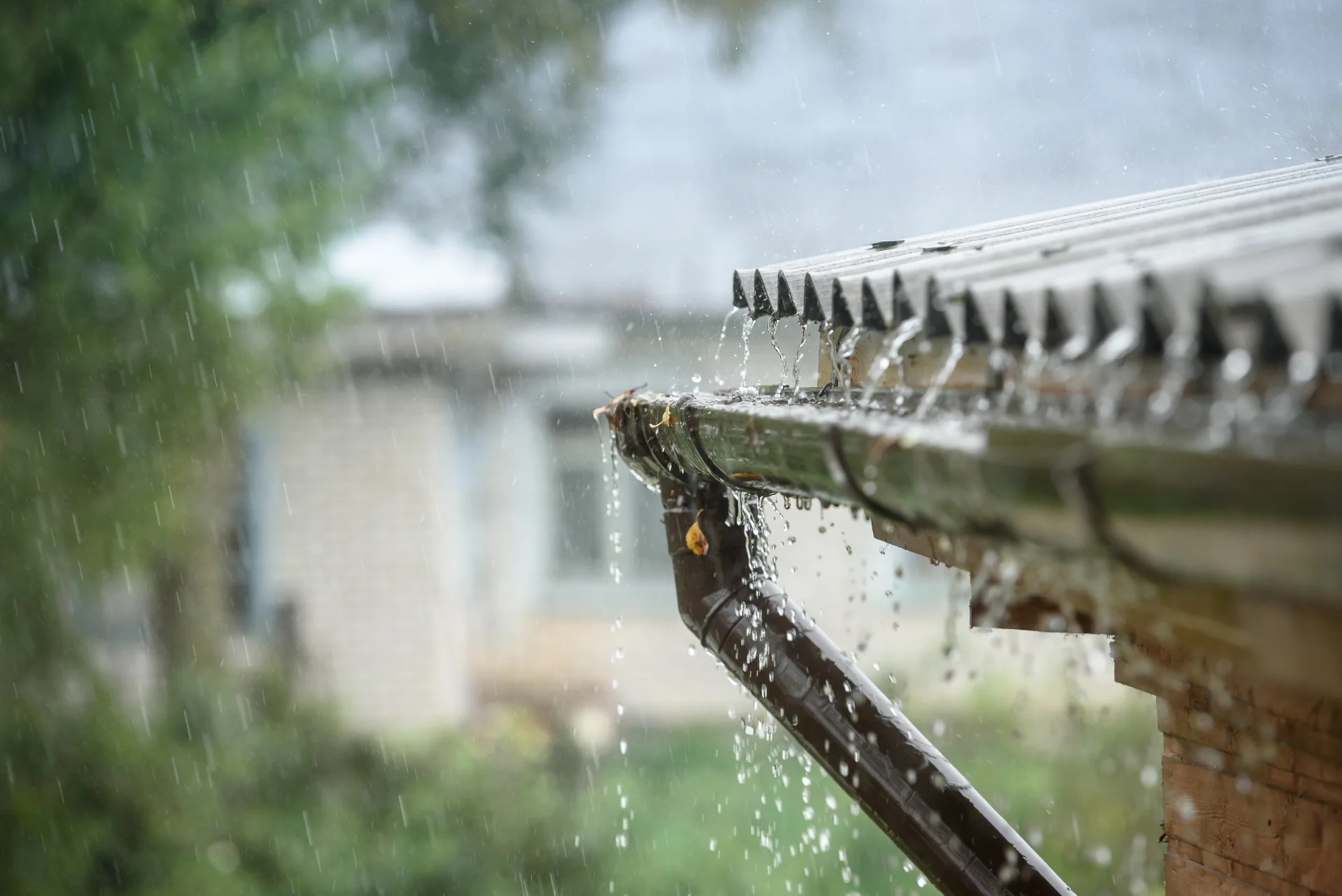
Simply put, the systems involve taking rain that falls on our buildings, allowing this to drain into a collection area and then storing it until it is needed. All you need is a roof, a gutter and something to store the water in.
Depending on what you want to use the water for, there is a range of options, from a simple DIY setup with an old bucket through to an industrial-sized system installed by a specialist.
Follow our step-by-step guide to deciding what type of system to install
How much water is used on the yard, and what is it used for?
Create a list of everything that you use water for on your yard.
Which of these jobs would you like to use harvested rainwater for?
Where are your suitable collection areas?
Create a list of all of the roof spaces on your yard.
How big are the roofs?
The larger the roof, the more rainwater you can collect.
How much space do you have for a storage receptacle?
This will determine how much water you can store at any given time.
Is the collection area near to where you want to use it?
For example, is it close to where you wash the horses or clean the tack?
What quality of water do you need?
If it is for drinking, it should be filtered so that debris does not lead to harmful bacteria.
Do you need the system to attach to any other devices?
For example, a hose attachment for jet washing, or a tap high enough to place a larger container underneath for carrying the water elsewhere.
Do you already have items that can be used for collection?
Or will you need to purchase any element of the system? A simple bucket, barrel or tank can work if you are only collecting for watering plants or washing machinery.
How much budget do you have available?
This will determine whether to use items you have around the yard, DIY options in local stores, or contacting a rainwater harvesting specialist.
Can you install a system yourself?
Or do you need to consult with a professional?
The simple calculation
1 millimetre of rain falling on 1 square metre of roof equals 1 litre of water.
Work out your potential with this rainwater harvesting calculator.
What your system should include
Once you have established if rainwater harvesting is suitable for your yard, your system should include the following:
Suitable roofs
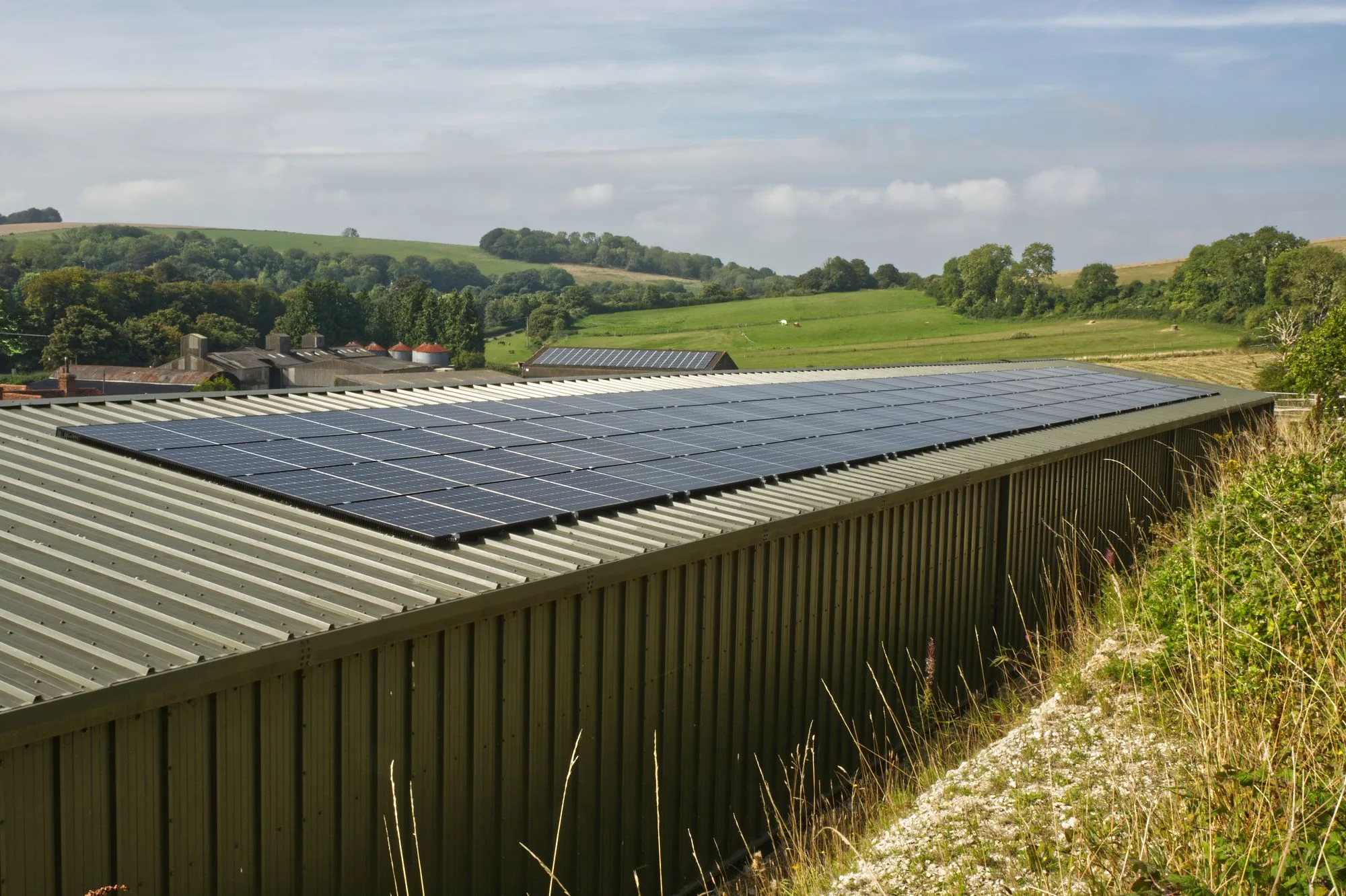
Identify suitable roofs across your yard; this might include barns, stables, tack rooms, storage buildings, arenas or your home. Larger or more complex systems may be able to collect water from several buildings.
Downpipes
Connect suitable roof gutters to downpipes that direct rainwater towards your storage system.
Storage tanks
Ensure the tank is appropriately sized, and consider whether it should be above or below ground. Algae growth is a possibility, so a sealed, dark or opaque tank to limit sunlight exposure is recommended.
Water delivery
A water butt or gravity-fed system can work for simple applications, while larger systems may require a pump to provide sufficient pressure. The system should be designed around how and where you intend to use the water.
Debris management
A first-flush system can stop dust and other organic pollutants from entering the tank. Fit leaf screens or mesh guards to prevent leaves, twigs and larger debris from entering the gutters and storage system, reducing blockages and the amount of material that needs to be filtered.
Sediment and pollutants can still build up over time, so tanks and filtration components should be inspected and cleaned regularly. A simple management routine will address any concerns: clear debris regularly and schedule a planned clean into the yard tasks each season.
Don’t forget!
Not for human consumption
Harvested rainwater is not suitable for human consumption, unless appropriately treated and filtered.
Safe for horses, with care
Horses can drink harvested rainwater, but care needs to be taken to ensure it is free from contaminants and the system is maintained regularly.
Kits are available
Rainwater harvesting kits are available which can help when setting up a system for the first time.
Keep it maintained
Clean gutters to stop overflow and damage, clear any sediment or pollutant build-up, and check for algae growth in the tank.
Plan for downpours
Consider the potential overflow of the system in heavy downpours and ensure guttering and pipes are adequately sized and sloped to prevent this.
Explore more articles
Turn your stable roofs into cheap, renewable electricity.
Healthy paddocks for healthy horses, wildlife and soil.
What to measure, how to log it and the tools to use.