How to remove toxins from your horse’s environment
Why toxins are a problem on the yard
Toxins from man-made products and chemicals can pose a health risk to humans, horses and other animals, as well as our natural environment.
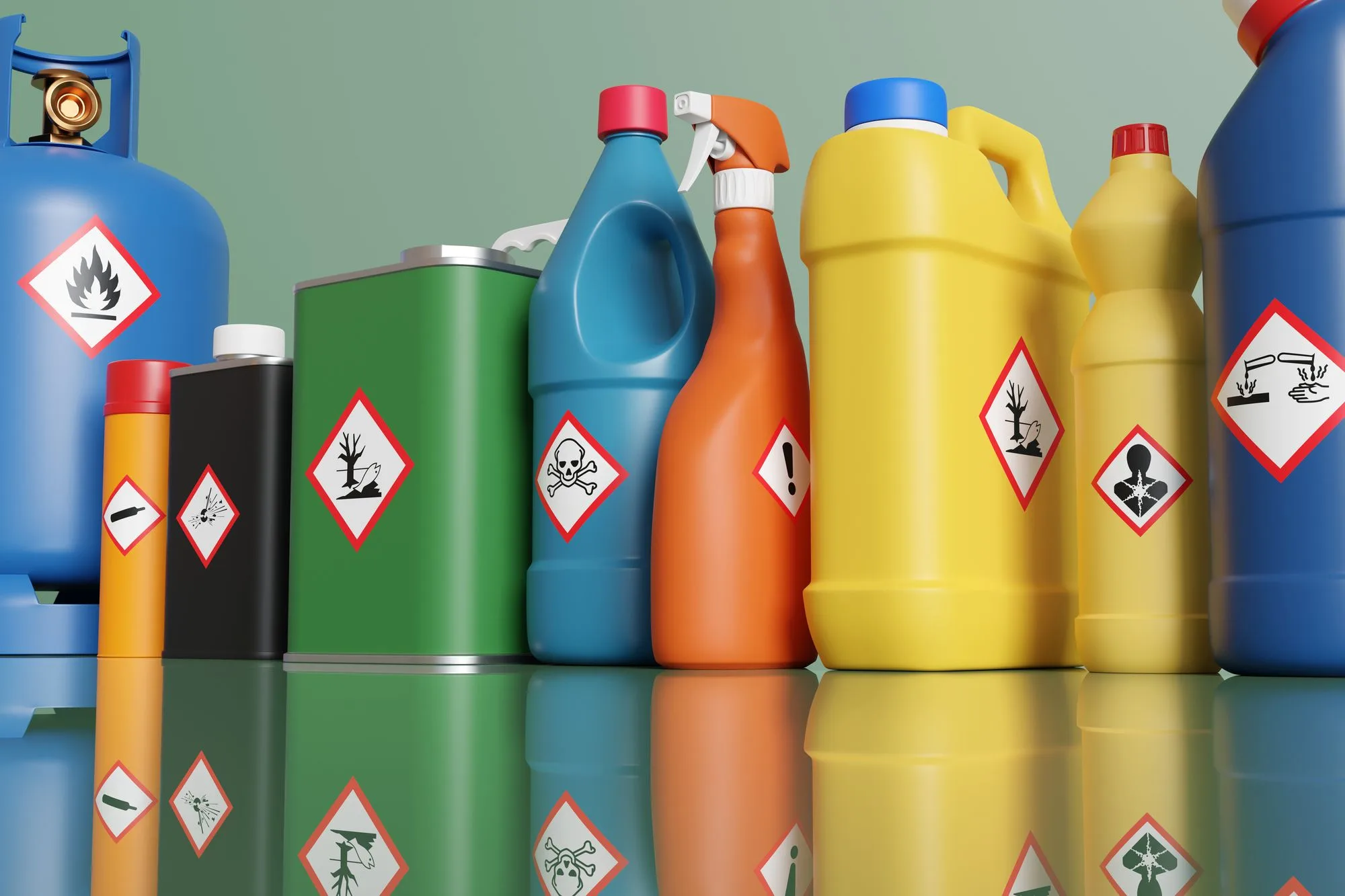
Some of the common toxins found in a yard environment are obvious, such as weed killers (herbicides) and maintenance products like paint and wood treatments. However, other less-obvious but potentially harmful sources of toxins include:
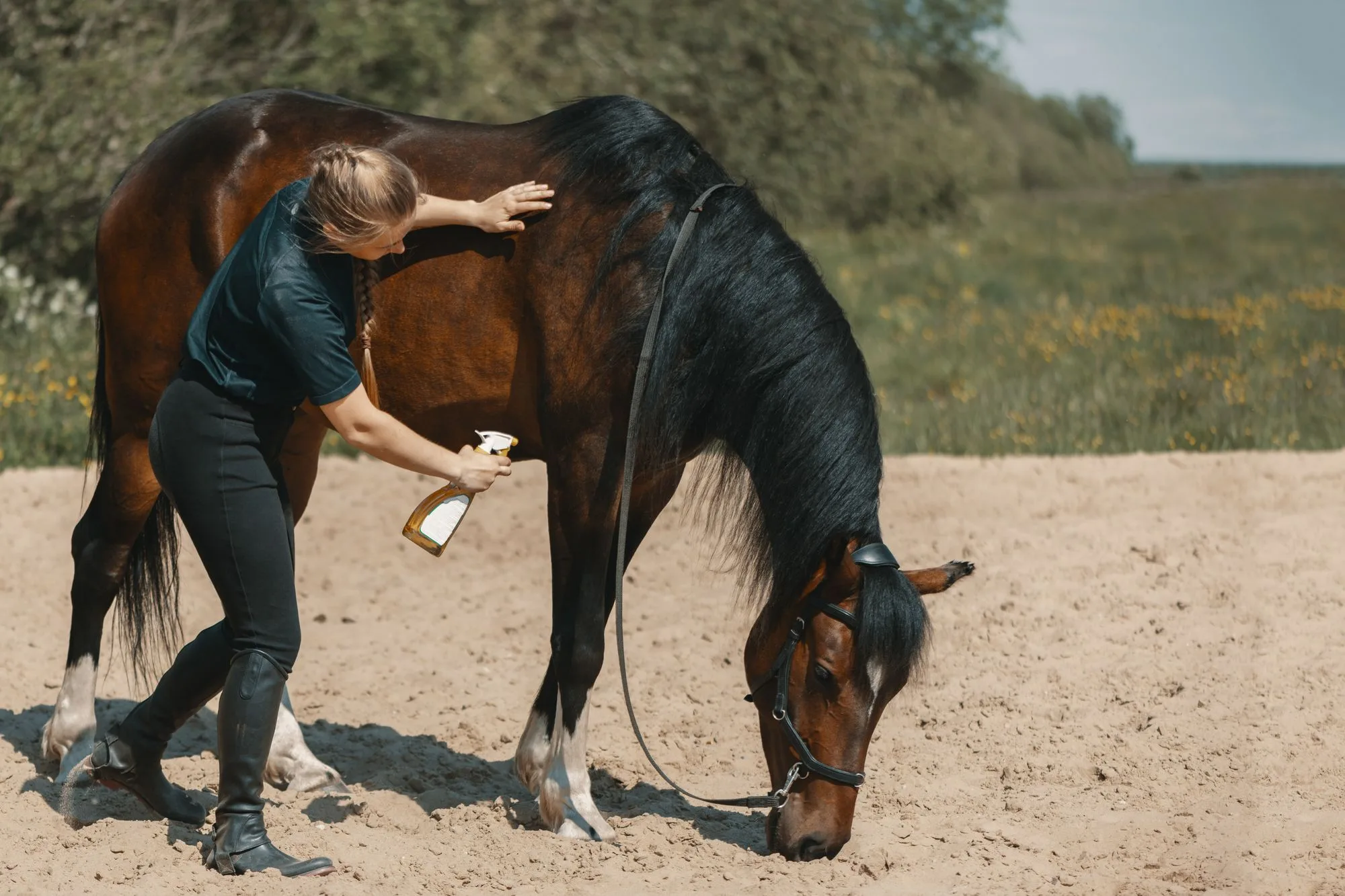
- Grooming products, e.g. grooming sprays, oils and shampoos.
- Stable and yard disinfectants.
- Veterinary products and medications.
- Arena surfaces (often using waste carpet fibres or rubber and chemical solvents for ‘waxing’, which breaks down to contaminate the environment and air over time).
- Synthetic and plastic products, including some materials, coatings and waterproofing chemicals used for rugs, saddle pads, boots etc.
- Microplastics in our clothing, arena surfaces and some products that shed onto skin and into the environment.
Some of these products can cause immediate, short-term exposure, while others may break down slowly and release toxins over a long period of time.
What are PFAS?
One group of chemicals is causing particular concern: PFAS (technical name: per- and polyfluoroalkyl substances), otherwise known as ‘forever chemicals’. They do what they say on the tin, sticking around in the environment for extremely long periods of time as they hardly break down, meaning they can build up to harmful levels where they are used again and again. These are most commonly linked to waterproofing, non-stick coatings and some reinforced, performance materials which may well be in the equipment you use for your horse.
Horses, other animals and humans can be exposed to toxins through the skin, by breathing them in, through the eyes, by swallowing them, and in other ways. Depending on the type of toxin and concentration or period of exposure, this could lead to symptoms such as skin and eye irritation, respiratory problems, hormonal disruption (including potential impacts on fertility), and other longer-term health conditions.
The impact on the environment may come from runoff and water contamination, or direct land or air contamination. Toxins from chemicals may build up in and around wash bays and drains. Toxins in the environment can cause a lot of harm including growth issues, infertility or fatal outcomes for local species of plants, animals and insects including essential pollinators, that rely on the watercourses, land and soils around your yard.
PFAS can be found in carpet fibre arena surfaces, waterproof blankets and rugs, and synthetic performance clothing and equipment. Look out for products that specifically say ‘PFAS-free’.
British waterways are amongst the most polluted in Europe due to pharmaceutical, plastic and chemical contamination.
What can I do?
This may all sound worrying, but not all toxins are created equal and some will do significantly more harm than others to humans, animals and/or the environment.
Very harsh chemical toxins such as herbicides are best avoided entirely. For others it may be that you consciously make small, incremental changes over time, such as swapping a product to a toxin-free version once it runs out, to minimise exposure bit-by-bit, for the long-term goal of a toxin-free environment for you and your horse.
Our top tips for becoming toxin free
Minimise harsh-chemical use unless absolutely necessary.
When you do need them (e.g. when creating a sterile veterinary environment), use them responsibly, and make sure any runoff into the surrounding environment is significantly minimised or prevented by capturing and disposing of it appropriately.
Check the ingredients list!
Avoid single use plastic, and synthetic-based product ingredients, opting instead for those that are natural, plant-based, and biodegradable or compostable. As a rule of thumb, anything with ‘poly’ in its name that goes near you or your horse is likely to shed microplastics, and may contain PFAS.
When your existing grooming and cleaning products run out, replace them with low-toxin or toxin-free products.
There are a great number of toxin-free grooming and cleaning products available that are just as effective, if not more so, and rely on quality natural and biodegradable ingredients.
Store chemicals in secure, sealed containers to avoid spills.
Use bio-based disinfectant products that won’t accumulate in the environment.
Opt for a natural arena surface.

If you are looking to invest in a big change to your yard environment, such as a new surface in your arena, or new post and rail fencing in your fields, spend 10 minutes exploring the environmental impact of the options you are considering.
Can you swap these for a product that does the same job without introducing chemicals and other toxins into the environment? For example, choosing arena surface fibres made from natural materials, or a plant-based, solvent-free and biodegradable paint.
Taking time to remove toxins from your yard benefits everyone!
Toxins from your products can affect your horse’s health, your health and the health of nature in and around your yard (which in turn affects the health of your paddock).
Explore more articles

Repair, care for and reuse the tack you already have.
Keep a good saddle safe, comfortable and in use for longer.
How a changing climate affects horse health and welfare, and what you can do about it.