Most horse owners need tack, and often several pieces for each horse, depending on the horse’s and owner’s needs and preferences.
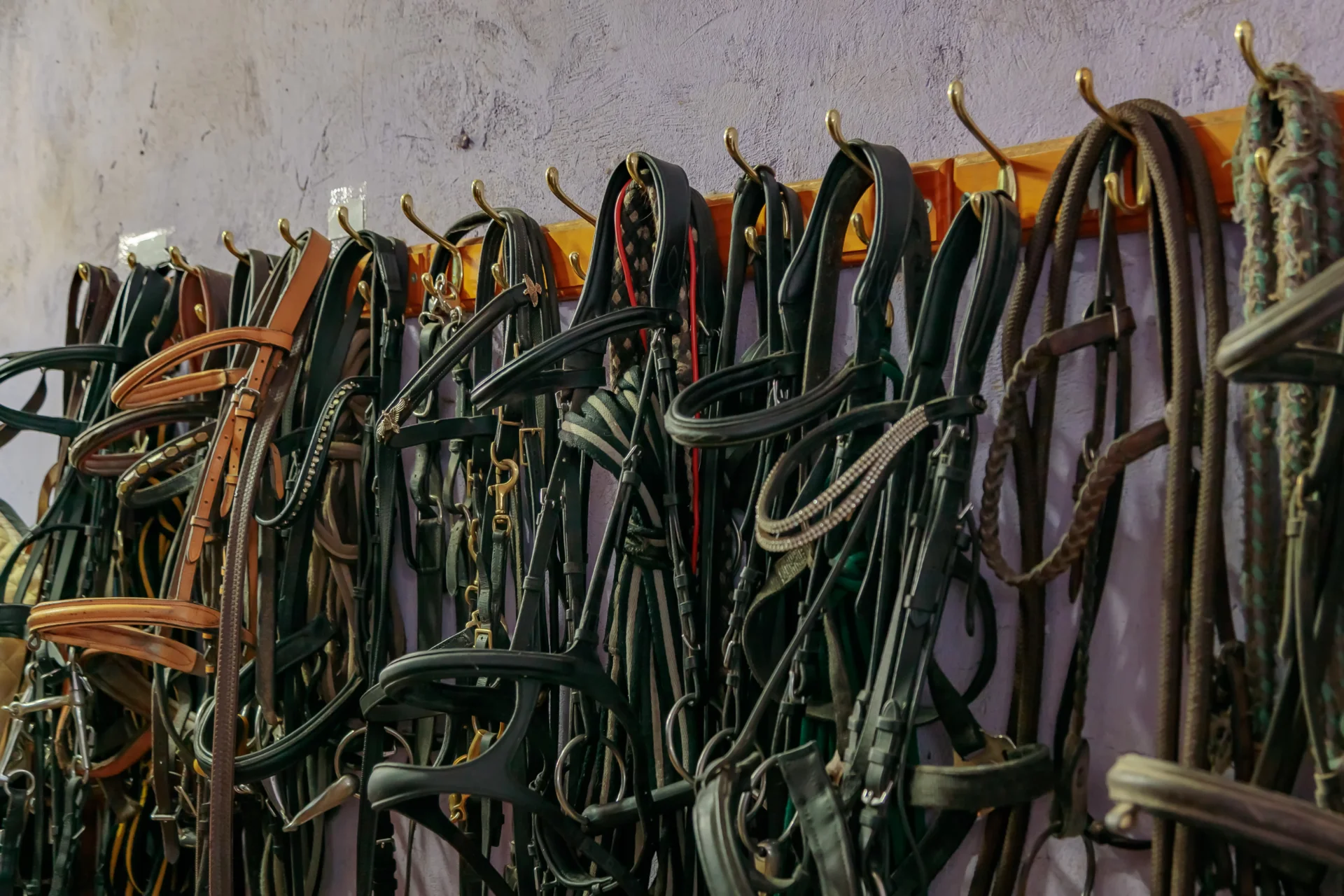
Many owners and trainers will have a tack room full of bridles, saddles and other kit in regular use, plus boxes of spares like reins, cheekpieces and bits that may once have served a purpose. With the right care, they can be used again whenever needed, saving you the expense of buying new ones.
Tack is specialised and can be expensive. Learning to repair and care for it means you can avoid buying new, save money and keep your spare parts box in good shape for when you need it.
Saddles
Repairing a saddle?
Saddles need specialist care. Our saddle guide covers what to check and who to ask.
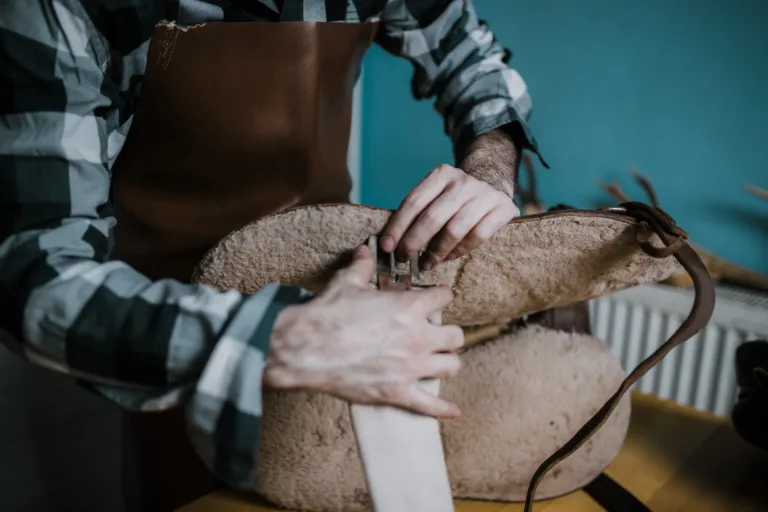
The best way to repair tack depends on what it’s made from. Leather is very common, and often the preferred material for good quality tack. Cared for properly, it can last a very long time, and it can be repaired after a minor break or refreshed after general wear and tear.
01
Ask the tack brand if they offer a repair scheme.
02
Visit a local repair shop, or ask a qualified saddler or leather repair specialist for help.
03
Ask your local tack shops if they offer repair services.
04
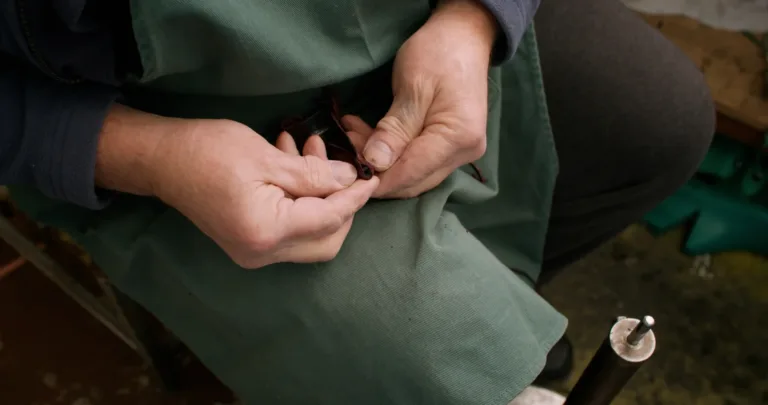
For repairs that don’t affect safety, you can also fix some parts of your tack yourself.
If your tack is still under warranty, check with the brand first, as a DIY repair may affect it.
Before you send it in
If they offer a replacement and you need to send the damaged item in, ask what they do with it. Check it is being repaired and not thrown away! If it won’t be repaired, ask to keep it so you can recycle or repurpose it.
What not to repair yourself
Any load-bearing equipment, or any piece that is key to controlling your horse or keeping you in the saddle, as these could cause a significant safety issue. Examples include:
Reins
Stirrup leathers
Girths
Bridle cheek pieces
Breastplates and other direct bridle attachments
Saddle trees
You should ask someone qualified to repair these items.
Small repairs you can do yourself
01
Clean, treat and condition
Some minor repairs and restoration can be done with proper care, like cleaning, treating and conditioning old leather with leather soap and oils.
02
Use the right materials
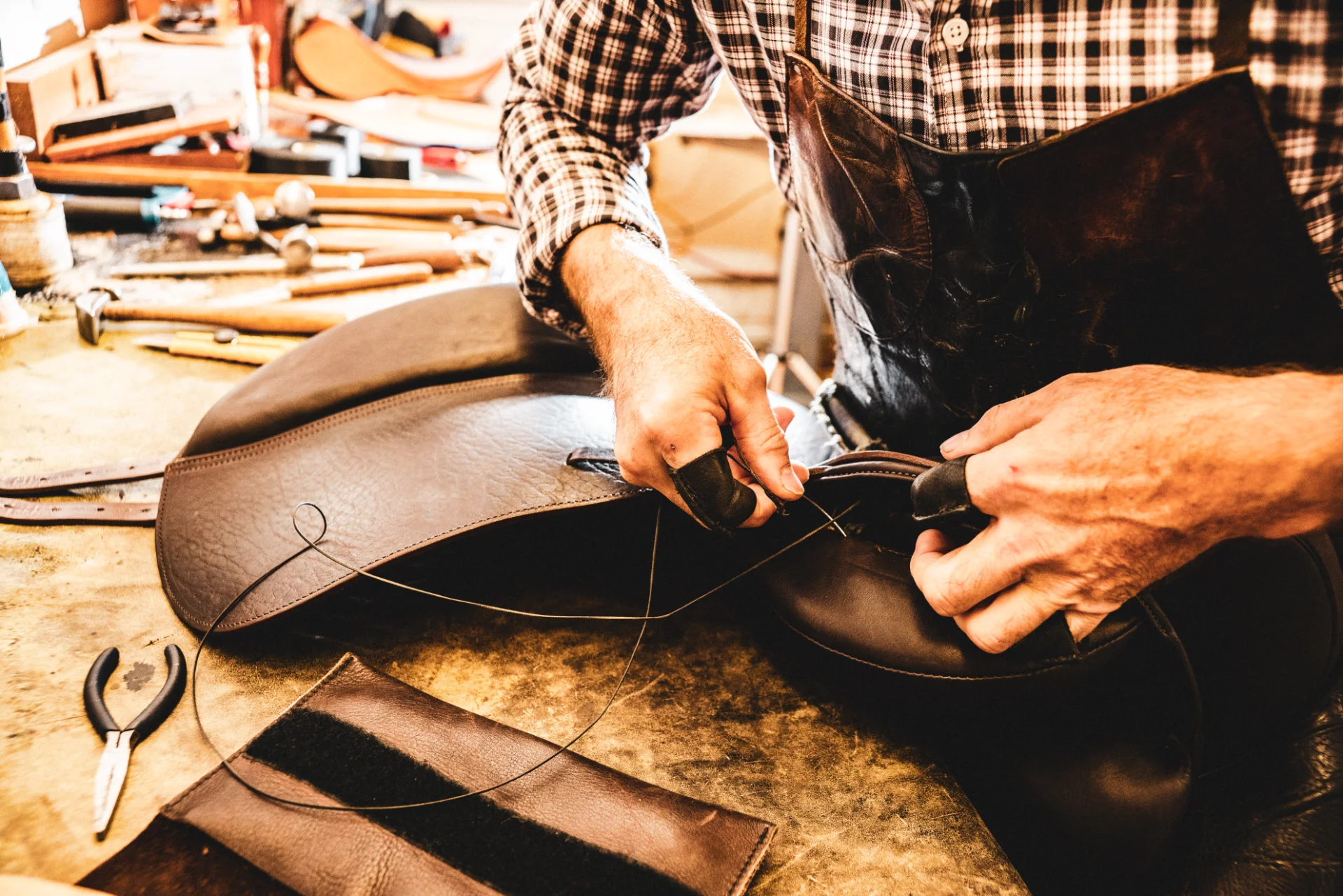
Make sure you have the right materials for the job. For example, loose stitching can be repaired with a sewing kit and waxed thread made for leatherwork.
Tip
Follow the original holes where you can. It keeps the job easy and keeps the original design intact.
03
Source a replacement part
Find out if you can get a suitable replacement part, for example for a broken keeper.