The biodiversity crisis explained
What is biodiversity?
Biodiversity is defined as “the variety of plant and animal life in the world or in a particular habitat, a high level of which is usually considered to be important and desirable” (OED).
Essentially, when we talk about biodiversity, we are referring to the nature around us and the billions of life forms on Earth.
Many people will be aware that for centuries, individual species have become extinct, from the infamous dodo to the woolly mammoth. However, the nature depletion, habitat loss and number of species at threat of extinction now due to human actions is unprecedented, with global wildlife populations shrinking 73% in the last 50 years (source: WWF’s Living Planet Report), and over 28% of assessed species at risk of extinction, at a rate of up to 10,000 times higher than natural extinction rates (source: the International Union for Conservation of Nature, IUCN).
Decline in biodiversity in human history
Since the beginning of human history, biodiversity has never declined this quickly, according to the Intergovernmental Science-Policy Platform on Biodiversity and Ecosystem Services (IPBES).
No nature, no humans
Biodiversity matters because every part of the ecosystem plays a role in providing humans with clean air, a regulated climate, fresh water and soil to grow food.
Each creature and species of plant has adapted over millennia to create the perfect environment for humans to thrive, and they all live in balance with one another as part of a circle and cycle of life.
Without a balanced or healthy ecosystem, humans will have to develop new ways to eat and live, using technology and manmade processes. We don’t know if or how human beings could survive without nature providing the perfect conditions for existence on the Earth, however we do know how to protect the ecosystem that has successfully provided us with clean air, food, a liveable climate, medicines and more for millennia.
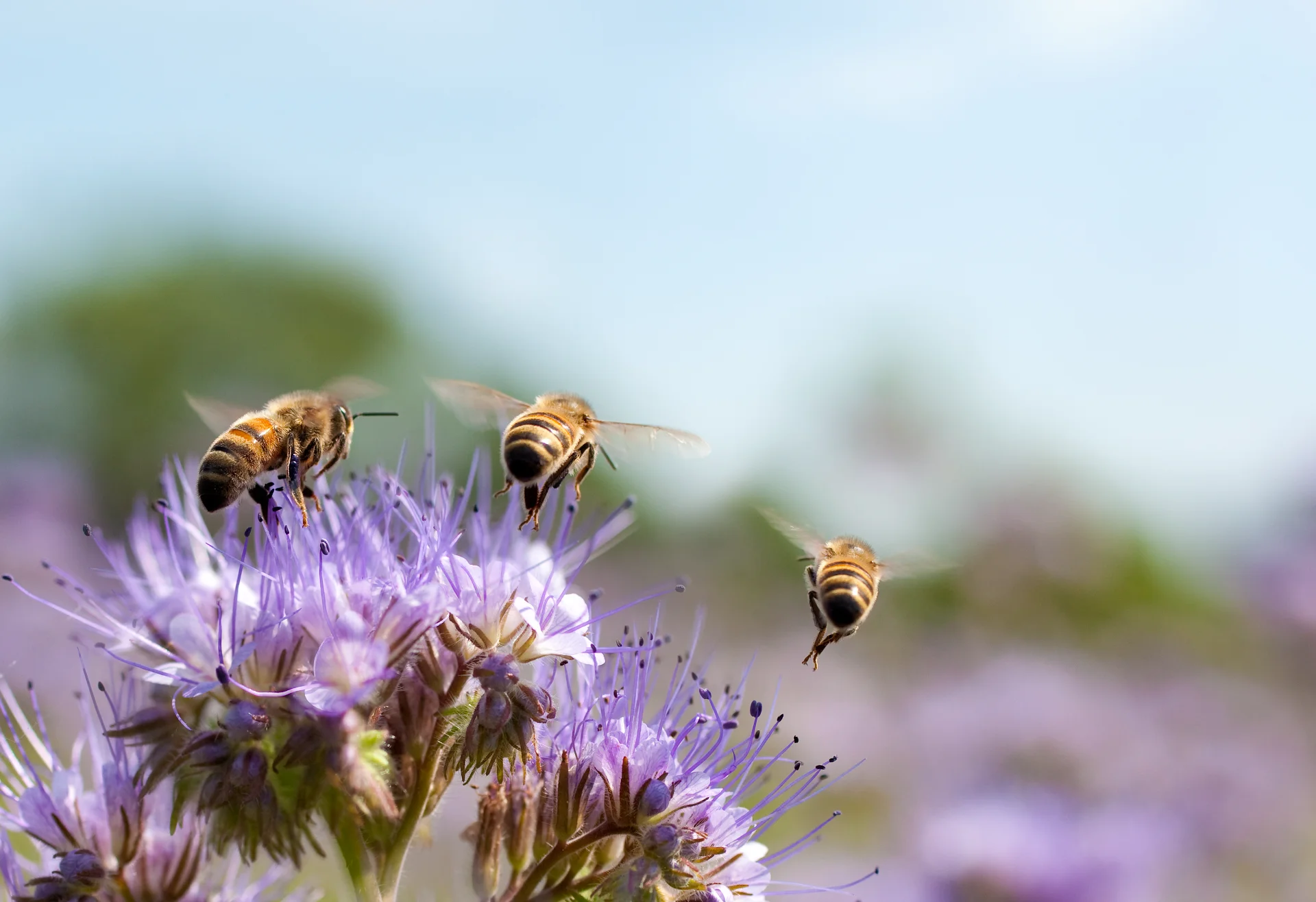
Approximately a third of our food is dependent on pollinators.
Where did all the insects go?
Biodiversity loss has been caused by a range of activities, from deforestation to pollution, overfishing, land use change, use of pesticides and the changing climate itself. Across the world, habitat has been destroyed to make way for the mining or production of raw materials, food and infrastructure.
No one action has resulted in the loss of habitats; rather, a collection of actions, driven by population increase and changing lifestyles, which mean that rather than preserving and conserving our natural world, we have systematically depleted it.
For biodiversity intactness
The UK is known worldwide for its rural beauty, yet it is ranked in the bottom 10% of countries in the world for biodiversity intactness.
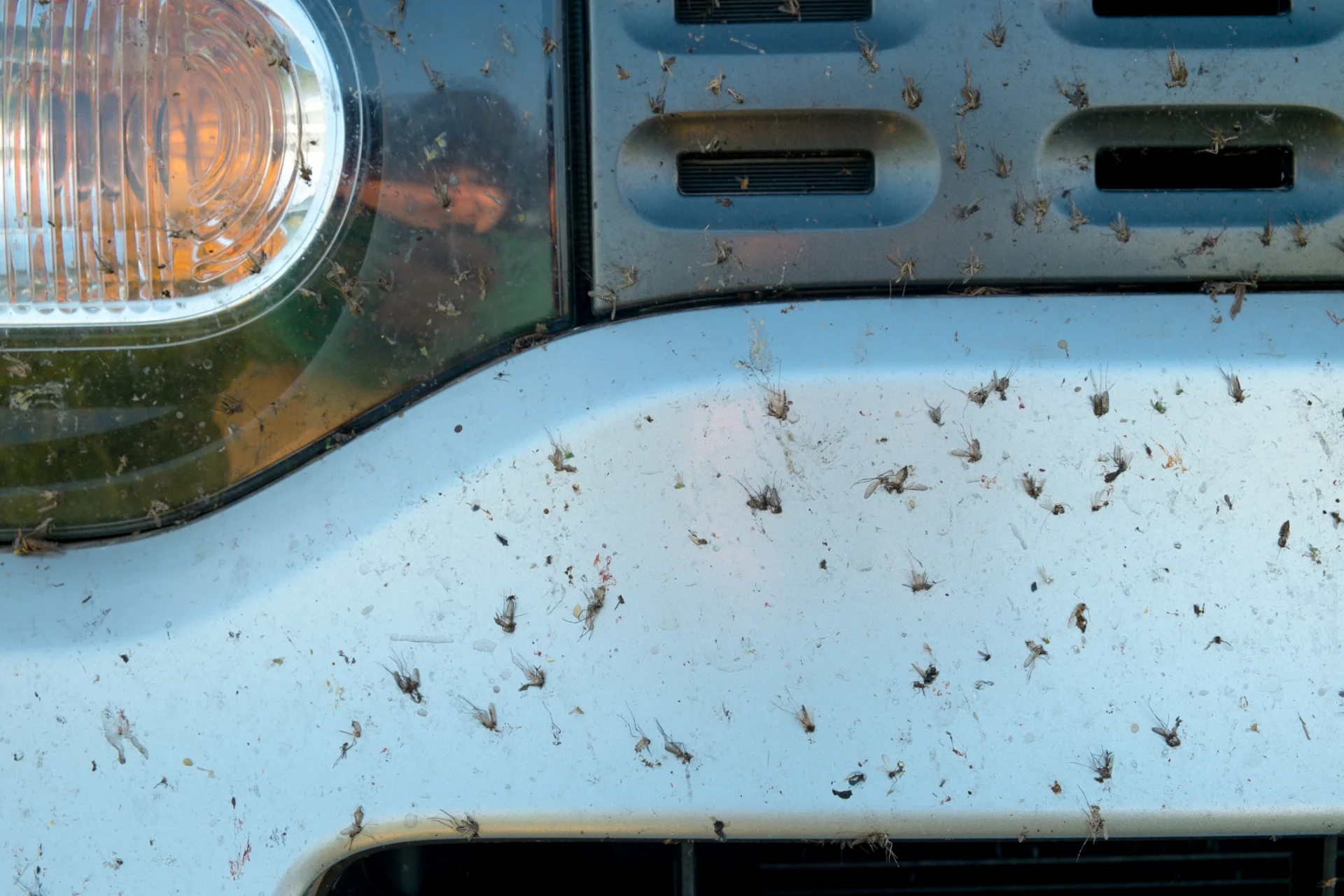
Fewer flying insects since 2021
A survey in 2024 found that insects sampled on vehicle number plates had reduced by 63% since 2021.
Horses and nature
The equestrian community is fundamentally dependent on a healthy ecosystem to survive.
Food
The horse is part of nature and healthy grass derives from healthy soil, which in turn needs a healthy ecosystem within the ground. This is under threat from overgrazing, the use of chemicals on the land, toxins leaching into the soil from worming drugs, microplastics and chemicals found in grooming and cleaning products.
Freedom
Healthy soil is better able to withstand wet winters, which in turn enables horses to remain outside for extended periods. Without protecting grass and encouraging a strong ecosystem, horses may need to be stabled for longer periods.
Even the ability to enjoy clean air and water is thanks to a healthy ecosystem. Read more in our chapter about horse welfare and the environment to understand the risks of climate change and the biodiversity crisis to our horses’ wellbeing.
Bring nature back to your paddock
Explore more articles
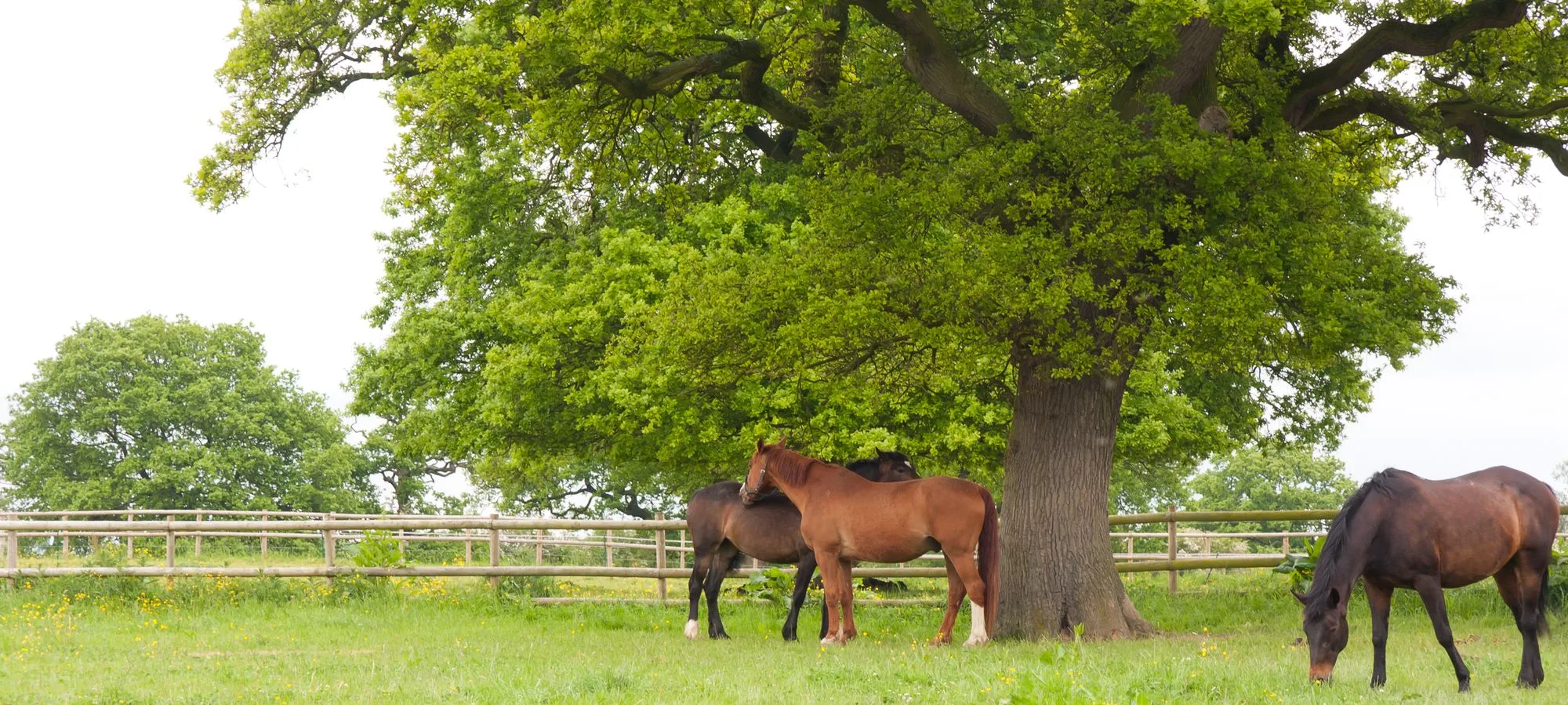
Which hedging and trees are safe to plant for horses.

Worm only when needed, and protect the dung beetles.
Simple swaps for a healthier yard, horse and planet.