Circularity is a means of reducing waste at source and reducing costs from both procurement budgets and waste disposal for businesses. It is a shift away from the ‘take, make, waste’ approach that has dominated operations for decades, and back to a circular approach that mirrors nature and prioritises resources.

What is circularity?
The circular economy is an approach which minimises the amount of waste created and draws upon existing resources, rather than using virgin material. The concept of circularity in business has been around for a long time, but it was popularised by the Ellen MacArthur Foundation. You can read more about their approach, guidance and tips here.
Circularity in business therefore considers the resources the business uses, the waste it generates and a way to connect the dots to create a cycle either within the business, or within the business’s ecosystem.
Circularity in business not only requires a company to think about the immediate resources it uses and waste it creates, but what happens to the product when it is with the customer, and the way in which the packaging will be managed. A circular business model requires that all component parts are circular.
Where to start
Depending on the nature of your business, circularity will require a different area of focus.
Service industry
Businesses that have an administrative function, or are part of the service industry, will be able to incorporate circularity as part of their day-to-day operations. If your business is largely desk and office based, the resources that you likely procure as part of your service delivery, and the waste generated within the office, will be your two focuses of attention for circularity.
Product industry
Businesses that manufacture will have a more complex circularity roadmap, with raw materials and commercial waste, as well as the product lifecycle, all requiring consideration.
Begin with an audit of resources that you procure. Consider whether the products are new made from virgin materials, new made from recycled materials, second-hand, rented or leased. The goal is to follow a hierarchy of circularity, with new and virgin materials considered the least desirable option.
Consider the end of life of the materials you procure. Will you be able to return the items to the manufacturer? Will you be able to resell the items? Can you reuse the item in a different capacity, repair it when broken or at worst, recycle it? Items that cannot be reused, repaired, returned or recycled, should be considered the least desirable option.
Then progress to the waste end of the business and conduct an audit of your waste streams. What proportion of waste do you currently recycle vs send to landfill or incineration? What are your total waste volumes and can they be reduced through circular procurement? What are the items that currently form the basis of your waste? By understanding what we are throwing away, we can either reduce the waste through circular procurement, or increase the volume that can be recycled through better waste management.
Based upon your findings, put in place a procurement and waste management policy, and share the information with your team, ensuring that proper infrastructure is put in place to support circularity. This can include changes to how the company buys items, different bins, signage and allocated responsibility for measuring change.
Monitor the difference. Establish a baseline for the resources and waste at the beginning and track the improvements on a monthly, quarterly or annual basis. This could be done using a number of metrics, including spend on purchased goods and waste removal, volume of waste, volume of waste separated by recycled and non-recycled or even frequency of waste extraction.
Circularity enables a company to embed efficiencies, save money and help the planet by reducing greenhouse gases, pollution and water consumption. If your business has embedded circularity, share your story with us, to help others in building a more resilient and sustainable business and planet.
Explore more articles
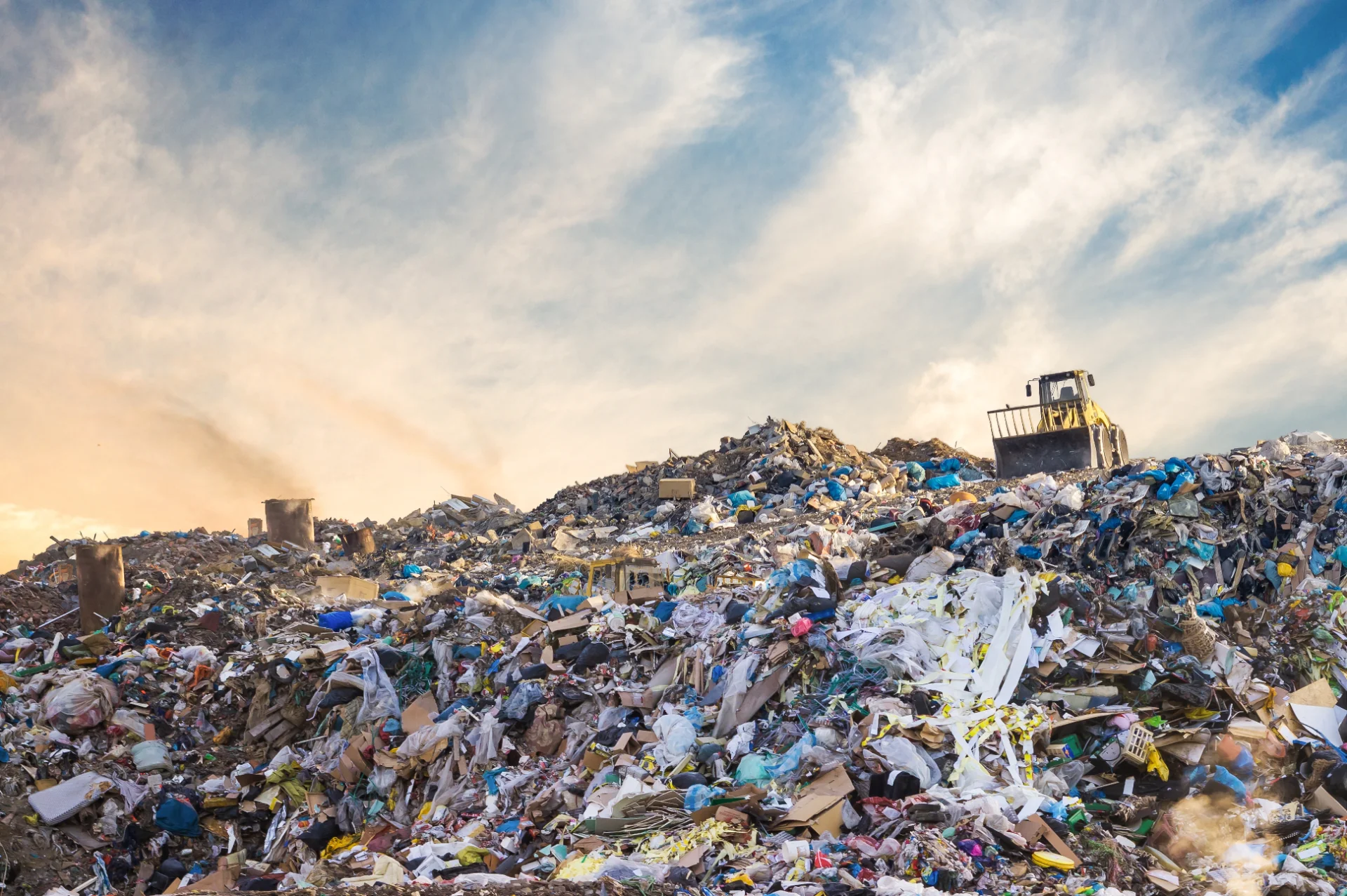
How much we use, how much we throw away, and why it matters.

Plan, prioritise and track your organisation’s progress.