How to improve recycling at your yard
Waste, horses and the planet
Owning a horse can be resource-intensive. From feed and bedding to rugs, riding equipment and stable maintenance, buying new products is often necessary to support a horse’s health, safety and wellbeing. With so many products needed to care for a horse, waste can quickly accumulate across the yard.
Managing plastic waste, packaging and ‘stuff’ accumulating around the yard is a nuisance, time-consuming and can cost money to remove.
Waste sent to landfill produces greenhouse gases, pollutes the surrounding nature, and puts human health at risk. And whilst incineration can generate electricity, it is still one of the least desirable options for managing waste.
The goal is to have the items we need for our horses, without generating waste that costs our pocket and the planet.
How can we reduce waste going to landfill?
Making informed choices that begin with what we purchase, through to how we manage it at the end of its life, helps to reduce waste, save money and support the environment. By keeping existing materials in circulation for as long as we can, we can limit waste and pollution. But how do we do that?
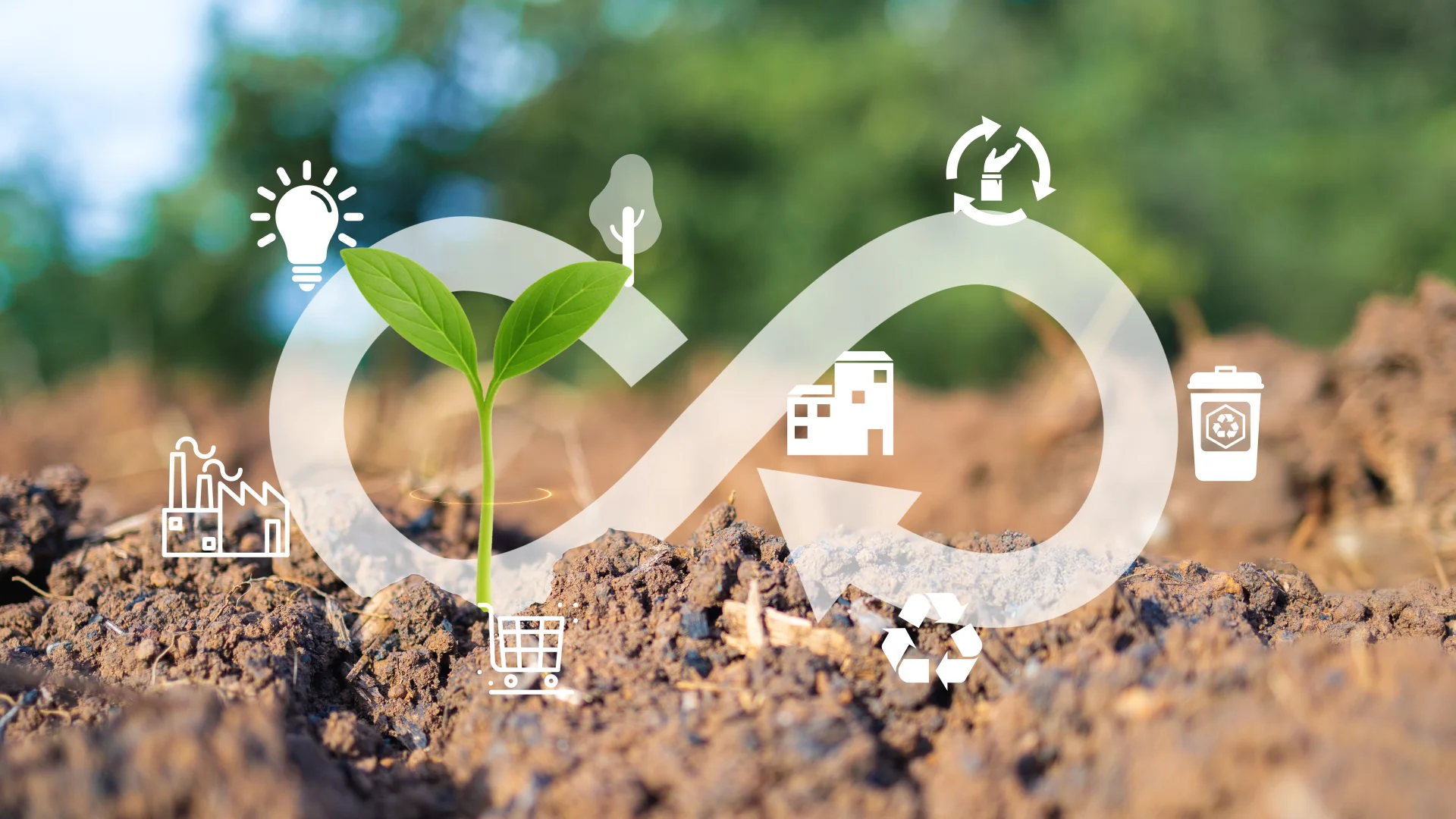
In nature, there is no waste; everything is used. We can follow nature’s example by using the principles of a ‘circular economy’ and applying the ‘waste hierarchy’. These two methods can help us make better-informed decisions on waste management through prevention, reduction, reuse, recycling, and recovery.
Six options, in order of preference.
Work from the top down. Every step you can answer “yes” to before reaching the bottom is waste that never exists, and cost you never carry.
Disposal is the last resort, not the default
Do I need to buy this product?
Do I need as much of this product or many different items serving the same purpose?
Is there a way I can reuse this material or product/repurpose this product into something else?
Can I recycle this product?
Can I recover some of the components and/or the materials that this product is made of?
What is the appropriate way to dispose of this item?
The circular economy means that nothing is ever wasted; after all, waste is just a resource we haven’t found a use for yet! It means minimising how much raw material we extract from the earth, and cutting out the waste we burn or bury in landfill.
Let’s be specific!
Waste across a yard can be generated from various sources, but there are numerous opportunities for management.
Feed and food packaging
- Plastic containers, supplement tubs, cardboard boxes and other packaging can quickly build up. It is possible to repurpose these items for alternative uses like storing everyday items, rather than buying specialist storage containers. If you can’t reuse them, try to buy products in containers that are 100% recyclable at home.
- Feed sacks make great manure bags for sharing your manure with local gardeners.
- Specialist farming and agriculture plastic recycling schemes are available. If you have adequate space for storage, collect your recyclable waste and use a local collection service to support this.
Clothing and equipment
- We all know growing riders whose clothes no longer fit but are still in good condition. To stop these being sent to landfill, why not donate them, or even sell them to other riders?
- The Equine Market offers an online service supporting the selling, purchase, and management of donated items.
- If a piece of clothing is no longer wearable, use it for cleaning scraps or patches for repairing other pieces of clothing and fabric with rips and holes.
- Equipment that is no longer safe to be resold or donated could take on another use around the yard. Bits and chains can be joined for holding heavy items like drying rugs; leather can be repurposed for belts, dog collars, curtain tie-backs and towel holders. The options are endless.
- Always consider the separate components of equipment and secondary uses like buckles, fastenings and the material itself.
Rugs
- The materials that make up the rugs (typically a waterproof layer and other insulating fibre) can be stripped and repurposed into other items like dog coats or waterproof covers for equipment.
- Keep buckles and other usable fittings for repairing other items of tack and equipment.
Yard maintenance materials
- Maintenance and building work at the yard can generate a range of waste. This could include old troughs, fencing, timber, and other building materials. Before disposing of these items, consider whether they can be repaired, reused elsewhere in the yard or separated for recycling.
Start small
Recycling across a yard doesn’t need to happen all at once. Starting with a few simple waste streams can help establish good habits and create a system that works for your yard. As this develops, more complex materials can be considered, helping to keep products and materials in use for longer and reduce the amount of waste sent to landfill.
Start collecting cans and plastic bottles separately.
Add feed bags or other packaging once you know how they can be handled locally.
Create a collection point for scrap metal.
Introduce a system for rugs, clothing and other textiles.
Look at more complicated waste streams such as fencing materials, electrical equipment or specialist products.
Explore more articles
Simple swaps to cut single use plastic around the yard.