Climate change explained
What is climate change?
The term climate change has been around in similar forms since the 1970s, and yet it still inspires confusion and debate 50 years later. Understanding climate change is an important part of being able to take care of your horse, yard, business or event, now and in the future.
Scientists are clear that climate change is now unavoidable; we are now experiencing the early stages of its impacts in the UK, and efforts should be centred around both working to avoid the worst possible outcomes, as well as adapting to cope with the inevitable changes in our lives in the years to come.
Climate change is defined as “long-term alterations in the earth’s weather patterns and average temperatures, notably driven or accelerated since the Industrial Revolution by human activities and greenhouse gas emissions” (OED).
Scientists have understood the impacts of burning fossil fuels since the late 19th century, and research, data, modelling and meteorological occurrences since then, have enabled the scientific community to predict the climatic impacts of the release of excess greenhouse gases into the atmosphere.
When the term climate change came into use
Yet it still inspires confusion and debate 50 years later.
When scientists first understood the impact of burning fossil fuels
Research, data and modelling since then have let scientists predict the impact of excess greenhouse gases.
What causes climate change?
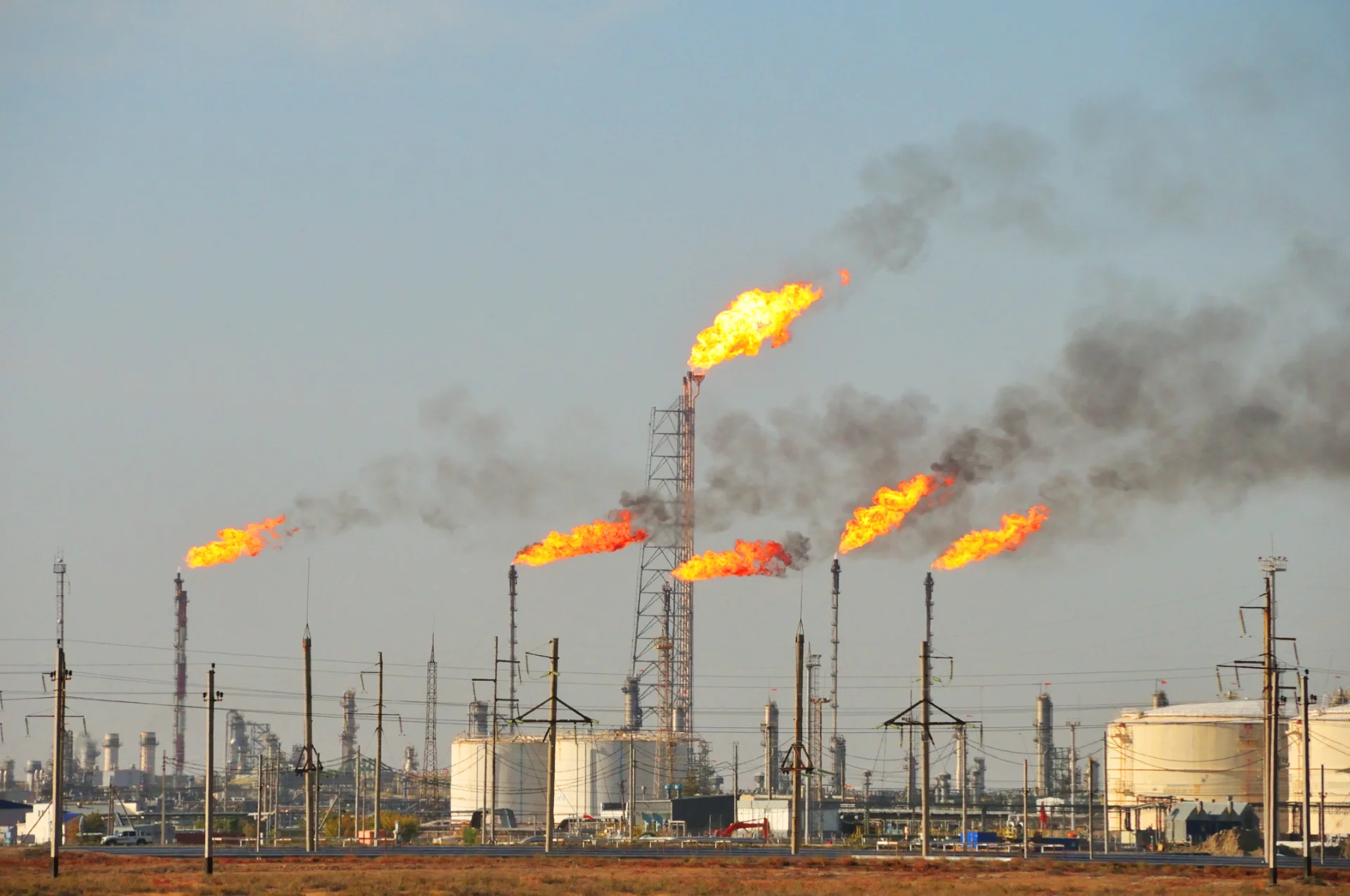
Climate change is caused by the release of excessive greenhouse gases into the atmosphere, which trap heat, causing a gradual warming of the Earth. Activities like the burning of fossil fuels for energy and transportation, the burying of rubbish in landfills and industrial scale livestock production, are just some of the activities that produce greenhouse gases.
Population growth and the rise of consumerism have both stimulated excessive consumption, which means that we produce more than the Earth can sustain, trapping too many greenhouse gases in the Earth’s atmosphere.
In addition, deforestation, changes in land use and ocean acidification have all reduced the capacity for the Earth to absorb greenhouse gases through a process called ‘sequestration’. So not only are we producing too many emissions, we have removed the capability for the planet to remove them from the atmosphere, speeding up the climate change process.
The process by which the Earth absorbs greenhouse gases from the atmosphere.
What does climate change look like?
Climate change is described as the gradual warming of the planet by small increments of degrees (typically from a starting point of zero before the Industrial Revolution, to predictions of 3, 4 or even 5 degrees by the end of the century). This warming produces shifting weather patterns, which materialise in different ways around the globe.
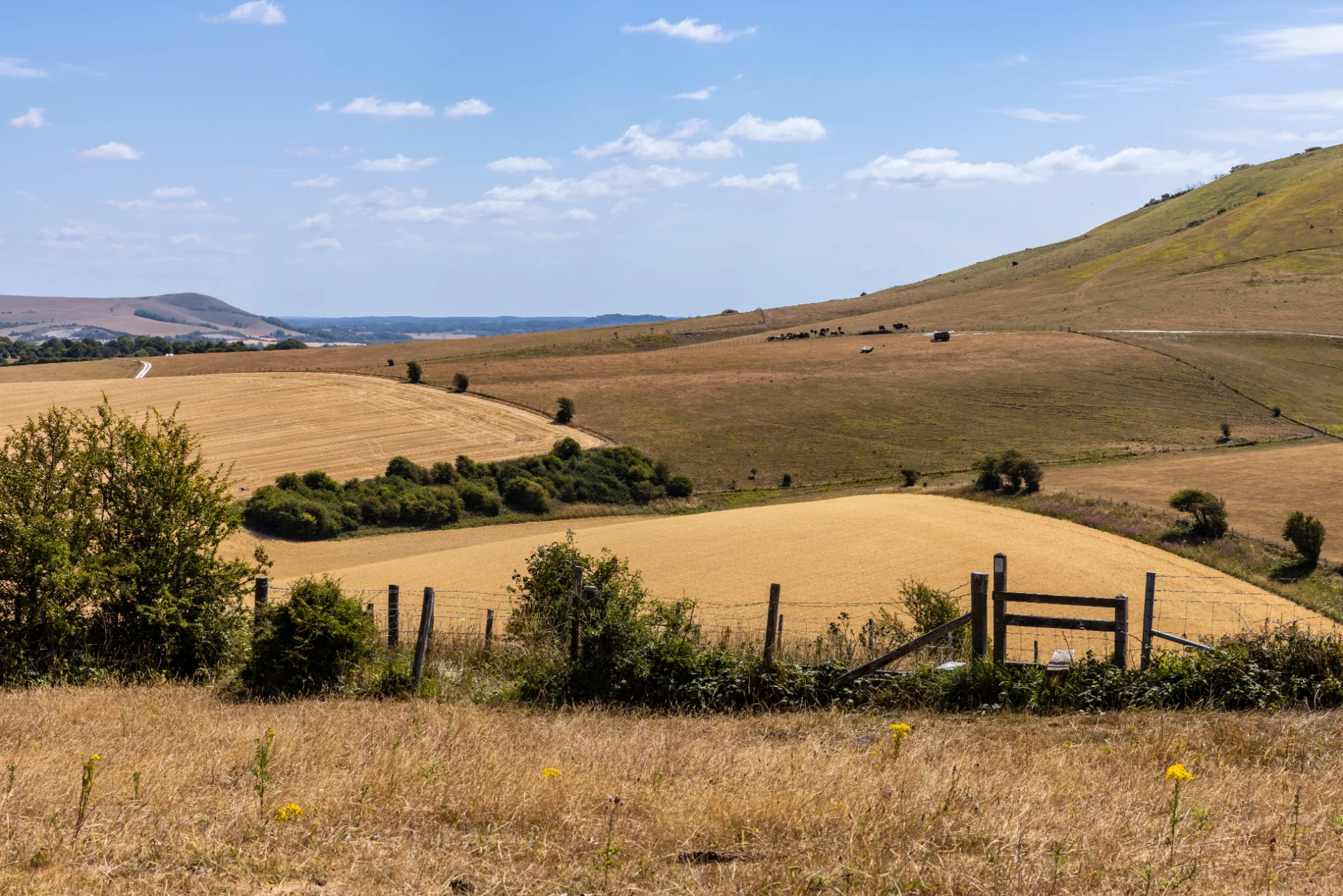
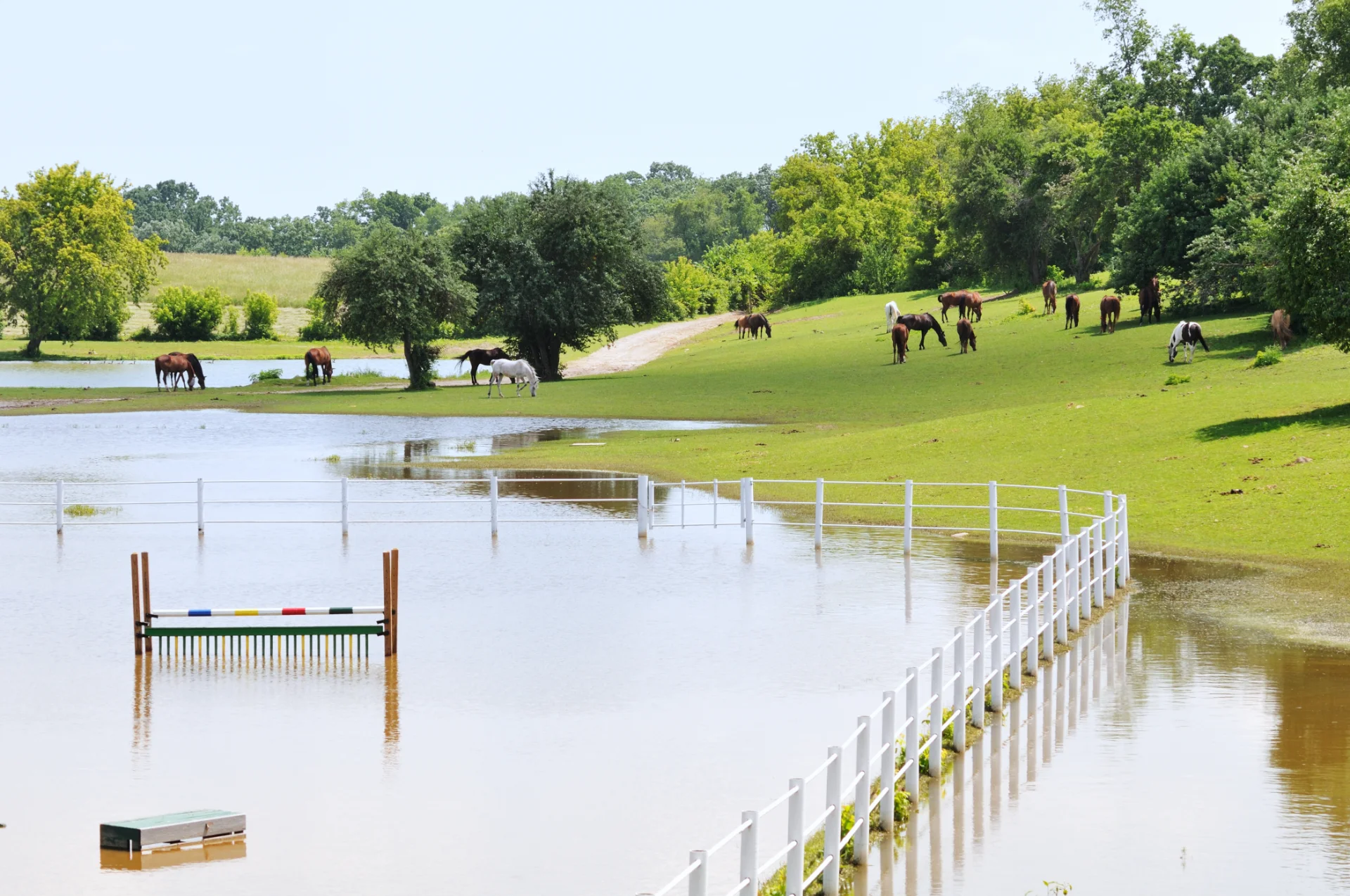
In the UK, the shift can most clearly be defined as warmer, wetter winters and hotter, drier summers. Weather patterns worldwide, including the UK, could also be characterised as more frequent and more ferocious extremes. For example more storms, hotter summers, wildfires, flooding and drought.
Winters in the UK
The clearest shift in our weather as the planet warms.
Summers in the UK
Alongside more storms, wildfires, flooding and drought.
Predictably unpredictable
Whilst climate change follows a steady incline of warming temperatures, this does not mean that every year will be hot, and no winters will be cold. The overall trend will be extremes of weather, but it is entirely likely that some years will follow different patterns and we will likely see unseasonable occurrences.
These sudden and unpredictable, unseasonable weather events make planning your horse’s environment, your event or even your business processes more challenging.
Hail storms in early summer, or high temperatures in February.
Explore more articles
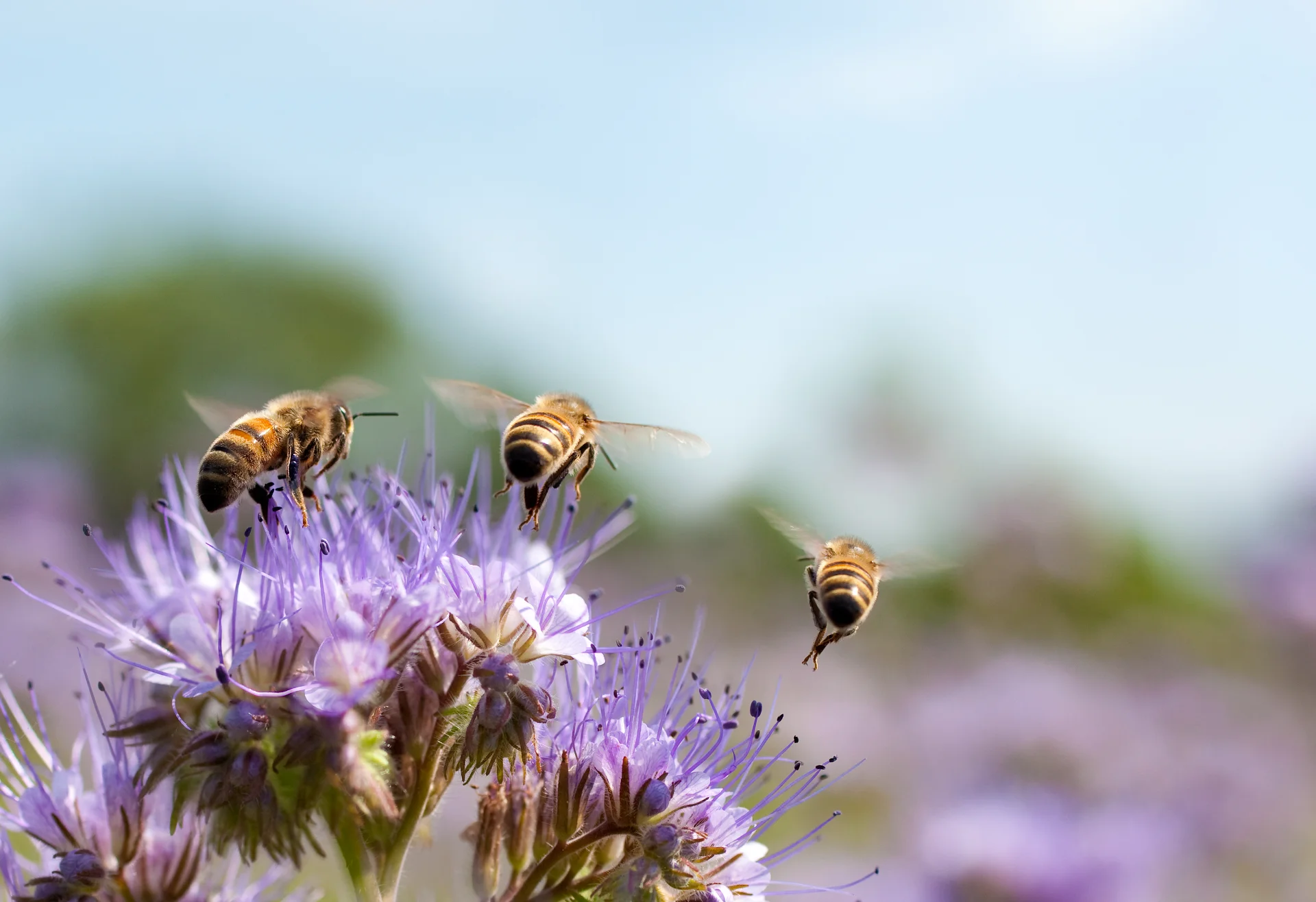
Why nature is in crisis and what it means for horses.
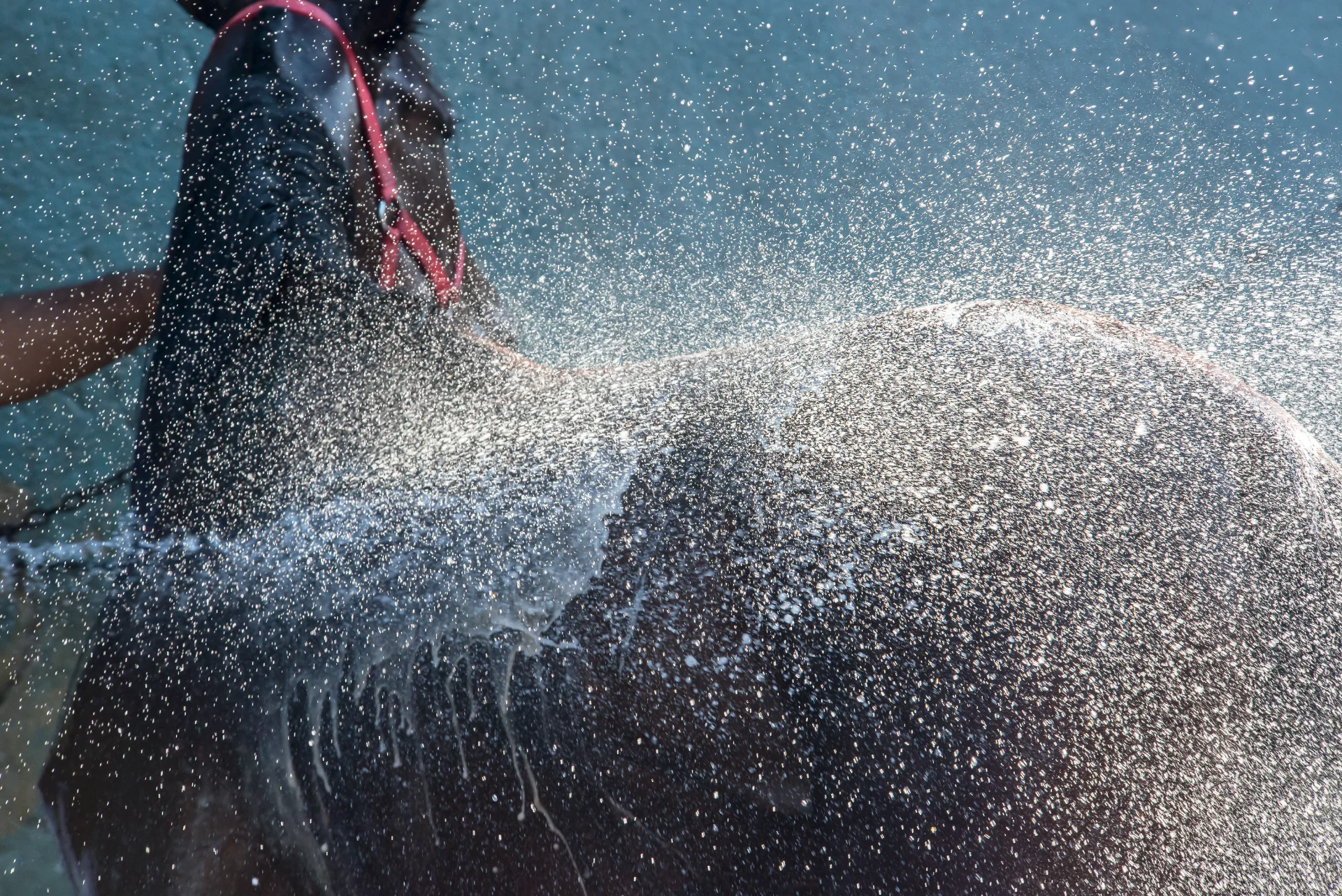
How a changing climate threatens our venues and competitions.