My Sustainable Event CheckList
How to use the checklist
For each action, record:
- Yes – action completed or standard in place.
- In progress – action underway.
- No – action not yet addressed.
- N/A – not applicable to this event.
It is recommended that each action also has an allocated person responsible, a deadline and a record of evidence.
The aim should not simply be to tick boxes, but to demonstrate measurable improvements year on year.
Delete your saved checklist?
This removes your details and answers from thehoofprint. Your ticks stay in this browser until you reset them.
Your progress is saved in this browser.
Actions marked N/A are left out of the total.
01Sustainability leadership, governance and planning0 / 12
PRE-EVENT PLANNING
- Appoint a named Sustainability Lead with responsibility for delivering the event sustainability plan.
- Develop an event-specific Environmental and Sustainability Policy.
- Create a written Sustainability Action Plan covering before, during and after the event.
- Identify the event's main environmental and social impacts.
- Establish measurable sustainability targets and objectives.
- Include sustainability requirements in contracts with suppliers, contractors and sponsors.
- Brief all staff, officials, volunteers, competitors and exhibitors on sustainability expectations.
- Include sustainability as a standing item in event planning meetings.
- Identify opportunities to work with local businesses, community groups and environmental organisations.
- Review the previous event's sustainability performance and identify improvements.
- Ensure sustainability responsibilities are included in the event budget.
- Make sustainability information available to competitors, spectators and stakeholders.
02Venue, infrastructure and facilities0 / 12
VENUE SELECTION AND MANAGEMENT
- Select a venue with an existing sustainability policy or environmental management plan where possible.
- Consider whether an existing venue can be used rather than building temporary infrastructure.
- Prioritise a venue with renewable energy onsite, a 100% renewable energy tariff and a mains supply to support your operation
- Ensure temporary structures, marquees, stables and hospitality facilities are sourced sustainably, prioritising hire, along with natural, durable materials
- Reuse existing fencing, arena equipment, jumps, dressage boards, signage and infrastructure.
- Hire or borrow equipment rather than purchasing new items.
- Use recycled, recyclable or responsibly sourced materials wherever possible.
- Provide appropriate welfare facilities for staff, volunteers and competitors based on expected weather events
- Consider the impact of event noise, lighting and traffic on neighbouring properties and wildlife.
- Minimise ground disturbance and protect existing trees, hedgerows and natural habitats.
- Ensure temporary installations can be removed without damaging the venue.
- Have a site restoration and reinstatement plan for after the event.
03Energy and carbon emissions0 / 15
ENERGY MANAGEMENT
- Monitor and record electricity and fuel consumption.
- Establish an energy reduction target for the event.
- Use renewable electricity where available.
- Prioritise mains electricity over diesel generators wherever practical.
- If generators are necessary, ensure they are correctly sized for demand.
- Investigate battery storage and lower-emission temporary power solutions.
- Use LED lighting throughout the venue.
- Make maximum use of natural daylight.
- Switch off lighting, heating and equipment when not required.
- Use energy-efficient equipment in offices, catering areas and hospitality facilities.
- Avoid unnecessary heating and cooling of temporary structures.
- Consider energy requirements when planning the event timetable.
- Reduce unnecessary vehicle idling and equipment running time.
- Record fuel used by event vehicles, machinery and generators.
- Consider solar lighting and other solar infrastructure
04Water management and conservation0 / 15
HUMAN AND EQUINE WATER USE
- Monitor and record water consumption during the event.
- Identify opportunities to reduce water consumption that do not affect access to drinking water, or water for cooling horses
- Provide drinking water refill stations for competitors, spectators and staff.
- Encourage reusable water bottles.
- Avoid unnecessary single-use bottled water.
- Install water-efficient taps, showers and toilets where possible.
- Investigate rainwater harvesting for appropriate uses.
- Investigate greywater recycling where safe and appropriate.
- Use water responsibly when preparing and maintaining competition arenas.
- Consider arena maintenance requirements when developing the competition timetable.
- Monitor water use in horse wash bays and stable areas.
- Prevent water wastage through leaking taps, hoses and fittings.
- Ensure horse wash bays have suitable drainage and wastewater management.
- Prevent contaminated water entering surface water drains, watercourses or groundwater.
- Communicate responsible water use to competitors, grooms and spectators.
05Waste management and the circular economy0 / 28
REDUCE, REUSE, RECYCLE AND RECOVER
- Develop an event Waste Management Plan that aligns to the waste management hierarchy and circular economy
- Identify anticipated waste streams before the event.
- Work with licensed and appropriate waste contractors.
- Establish clearly labelled recycling points throughout the venue.
- Provide appropriate recycling facilities in spectator, catering, stable, office and trade areas.
- Separate paper, cardboard, glass, metal, plastics and food waste where local facilities allow.
- Ensure general waste and recycling are not subsequently mixed.
- Provide clear signage explaining what can and cannot be recycled.
- Eliminate unnecessary single-use plastics by working with your vendors to keep them away from site
- Avoid disposable cups, plates, cutlery and straws.
- Use reusable crockery and catering equipment wherever possible.
- Encourage suppliers to minimise packaging.
- Reuse banners, signage, arena equipment and event infrastructure.
- Avoid unnecessary printing and promotional materials.
- Provide suitable collection arrangements for batteries and electrical waste.
- Record the volume or weight of waste generated and recycled.
- Arrange for surplus materials to be reused, donated or recycled after the event.
- Ensure the venue is left clean and free of event-related waste.
- Prioritise the reuse and recycling of large items like carpeting and wood
Manure, bedding and equine waste
- Choose the most sustainable bedding option possible for your venue, prioritising local suppliers, bedding that can quickly rot down and suppliers who provide reusable or recyclable packaging
- Establish a dedicated manure and bedding management plan.
- Provide sufficient designated manure collection points.
- Store manure and used bedding appropriately to prevent pollution and runoff.
- Keep manure storage areas away from watercourses, drains and sensitive habitats.
- Arrange for manure to be collected and processed by appropriate authorised contractors or facilities.
- Investigate opportunities for composting or beneficial agricultural use where appropriate and compliant.
- Communicate manure disposal arrangements to competitors and grooms.
- Keep records of manure volumes, collection and final destination.
06Sustainable catering, food and hospitality0 / 15
FOOD AND DRINK PROVISION
- Include sustainability requirements in catering supplier contracts.
- Prioritise local and seasonal food suppliers.
- Source food from responsible and traceable producers.
- Provide plant-based and vegetarian food options throughout.
- Reduce the amount of meat and dairy where practical.
- Consider Fairtrade products where appropriate.
- Minimise food miles by supporting local farmers and producers
- Avoid single-use catering packaging and disposable serviceware.
- Provide reusable crockery and cutlery wherever possible.
- Provide refillable drinking water facilities.
- Ensure catering suppliers have suitable recycling and food waste arrangements.
- Arrange redistribution of suitable surplus food to local charities or community organisations.
- Compost suitable unavoidable food waste through your waste contractor or onsite composting
- Make information about food sourcing and sustainability available to visitors.
- Consider carbon labelling food to raise awareness of food emissions impacts
07Sustainable transport and travel0 / 16
COMPETITORS, SPECTATORS, STAFF AND SUPPLIERS
- Consider the accessibility of the venue by public transport when selecting the location.
- Publish clear public transport information.
- Encourage car sharing among spectators, officials, staff and volunteers.
- Provide designated car-sharing arrangements or platforms.
- Provide secure bicycle parking where practical.
- Consider shuttle buses between nearby railway stations and the venue.
- Promote walking and cycling where appropriate and safe.
- Provide electric vehicle charging points where possible.
- Encourage suppliers to consolidate deliveries and reduce unnecessary journeys.
- Plan deliveries to minimise vehicle movements.
- Encourage efficient routing for event vehicles and contractors.
- Where competition formats permit, consider regional qualification structures to reduce unnecessary travel.
- Collect information about competitor, spectator, staff and supplier travel.
- Record travel distances and modes to help calculate event emissions.
- Incentivise general public to use low carbon transport options
- Consider using travel apps like You.Smart.Thing and on:Board Earth
08Equine welfare and sustainable horse management0 / 14
HORSE WELFARE AND ENVIRONMENTAL RESPONSIBILITY
- Provide sufficient clean drinking water for all horses.
- Provide suitable stable accommodation, ventilation and bedding.
- Ensure adequate shade and protection from extreme weather.
- Provide suitable horse cooling and wash facilities.
- Ensure horse transport, unloading and parking areas are safe and appropriate.
- Minimise unnecessary movement of horses around the venue.
- Provide suitable isolation arrangements for horses where required.
- Establish biosecurity procedures for horses entering and leaving the venue.
- Provide suitable manure and bedding disposal arrangements.
- Encourage responsible use of equine grooming products and cleaning chemicals.
- Encourage the use of environmentally responsible products where safe and suitable for horses.
- Ensure chemicals and veterinary materials are stored and disposed of appropriately.
- Provide information to competitors and grooms on the venue's environmental and welfare arrangements.
- Ensure welfare arrangements are maintained throughout the event, including during adverse weather.
09Biodiversity, land management and nature0 / 16
PROTECTING AND ENHANCING THE NATURAL ENVIRONMENT
- Assess the biodiversity and environmental sensitivities of the event site.
- Identify protected habitats, trees, hedgerows and wildlife areas.
- Protect sensitive areas from vehicles, horses, spectators and temporary infrastructure.
- Avoid unnecessary removal of trees, hedges and natural vegetation.
- Minimise noise and light pollution, particularly near wildlife habitats.
- Use environmentally responsible grounds maintenance practices.
- Reduce unnecessary use of herbicides, pesticides and chemical fertilisers.
- Use native and pollinator-friendly planting where appropriate.
- Protect soil structure and prevent compaction from heavy vehicles and machinery.
- Prevent soil erosion and surface water runoff.
- Ensure fuel, oils and chemicals are stored safely to prevent contamination.
- Protect ponds, streams, rivers and other watercourses from pollution.
- Ensure wash bays and stable areas have suitable drainage and wastewater management.
- Consider opportunities to improve biodiversity through habitat creation and restoration.
- Work with local environmental organisations, landowners or conservation groups where appropriate.
- Develop a plan to restore any temporary event areas following the competition.
10Sustainable procurement, suppliers and contractors0 / 16
RESPONSIBLE PURCHASING AND SUPPLY CHAINS
- Develop a sustainable procurement policy for the event, based on the circular economy
- Prioritise local suppliers and businesses wherever possible.
- Ask suppliers about their environmental policies and sustainability credentials.
- Include sustainability requirements in supplier contracts and tender documents.
- Consider environmental impacts when assessing suppliers, not just cost.
- Prioritise products made from recycled or responsibly sourced materials.
- Hire or borrow equipment rather than buying new.
- Choose durable, reusable and repairable products.
- Avoid unnecessary packaging and single-use materials.
- Consider ethical sourcing and fair working conditions.
- Encourage suppliers to reduce their own energy, water and transport impacts.
- Request sustainability information from key contractors.
- Ensure suppliers have appropriate waste management arrangements.
- Encourage suppliers to measure and report their event-related emissions.
- Consider the environmental credentials of event merchandise and prizes.
- Review supplier sustainability performance after the event.
11Marketing, communications and event materials0 / 15
PROMOTION AND ENGAGEMENT
- Use digital communications and online entry systems wherever possible.
- Minimise printed schedules, programmes, start lists and results.
- Make event information available online and through digital displays.
- Use recycled paper for essential printed materials.
- Ensure printed materials can be recycled.
- Reuse existing banners, flags and promotional signage.
- Avoid producing unnecessary branded merchandise and giveaways.
- Select useful, durable and responsibly sourced merchandise where necessary.
- Encourage sponsors and trade exhibitors to adopt sustainable practices.
- Communicate the event's sustainability commitments before the event.
- Provide clear sustainability information on the event website.
- Use signage to explain recycling, refill stations and sustainable travel arrangements.
- Encourage competitors and spectators to participate in sustainability initiatives.
- Share positive sustainability examples and achievements during the event.
- Ensure environmental claims are accurate, evidence-based and not misleading.
12Social responsibility, accessibility and community engagement0 / 14
PEOPLE AND POSITIVE SOCIAL IMPACT
- Ensure the event is accessible and inclusive.
- Provide appropriate facilities for disabled competitors and spectators.
- Consider accessibility in transport, parking, toilets and viewing areas.
- Provide suitable facilities for staff, volunteers and officials.
- Promote positive mental health and wellbeing among event teams.
- Ensure fair working conditions for paid staff and contractors.
- Provide appropriate training and support for volunteers.
- Promote equality, diversity and inclusion throughout the event.
- Support local businesses, suppliers and employment opportunities.
- Engage with local residents before the event.
- Communicate traffic, noise and access arrangements to neighbouring communities.
- Provide opportunities for local schools, community groups and charities to engage with the event.
- Consider opportunities for charitable fundraising or community benefit.
- Ensure appropriate safeguarding and participant welfare arrangements are in place.
13Event delivery and on-site operations0 / 17
DURING THE EVENT
- Brief all event staff and volunteers on the sustainability plan.
- Appoint a person responsible for monitoring sustainability throughout the event.
- Check recycling and waste facilities are available, correctly labelled and regularly emptied.
- Monitor energy consumption and ensure equipment is switched off when not required.
- Monitor water consumption and identify any wastage and leaks
- Check that refill stations remain operational and accessible.
- Monitor manure collection and disposal arrangements.
- Check that catering suppliers are following agreed sustainability standards.
- Monitor food waste and surplus food arrangements.
- Monitor vehicle movements, deliveries and parking arrangements.
- Ensure contractors are complying with environmental requirements.
- Monitor noise, lighting and impacts on the surrounding environment.
- Ensure welfare facilities are maintained for horses, competitors and staff.
- Record any environmental incidents, spillages or pollution risks.
- Communicate sustainability initiatives to spectators and competitors.
- Record photographs and evidence of sustainability actions.
- Address any sustainability issues identified during the event.
14Post-event operations and evaluation0 / 16
AFTER THE EVENT
- Ensure all event materials, temporary structures and equipment are removed for repair, reuse or recycling
- Ensure the venue is left clean and free of waste.
- Obtain waste collection and recycling information from contractors.
- Record the final volume or weight of waste generated.
- Record electricity, fuel and water consumption.
- Record manure and bedding disposal quantities and destinations.
- Collect travel information from competitors, spectators, staff and contractors.
- Calculate or estimate the event's carbon footprint
- Review supplier and contractor sustainability performance.
- Identify areas of success and opportunities for improvement.
- Obtain feedback from competitors, spectators, staff and volunteers.
- Assess any impacts on local biodiversity and the surrounding community.
- Complete any required site reinstatement or restoration.
- Produce a post-event sustainability report.
- Share achievements, lessons learned and future commitments with stakeholders.
- Update the sustainability plan for the following event.
Suggested measurement
- Electricity consumed (kWh)
- Litres of fuel used by generators and event vehicles
- Total water consumed (litres or m³)
- Total waste generated (kg or tonnes)
- Percentage of waste recycled or recovered
- Quantity collected and method of processing
- Quantity of food waste and surplus redistributed
- Estimated distance travelled and transport modes
- Percentage of suppliers meeting sustainability criteria
- Percentage of infrastructure and equipment reused or hired
- Habitat improvements and environmental initiatives delivered
- Community participation, accessibility and volunteering
Optional
Save your checklist and get a copy by email
- Pick up where you left off on any device
- Get a summary of your results and where to start next
- Come back next year and see how far you've come
You can keep using the checklist without saving. It still remembers your answers in this browser.
Saved. Check your inbox.
We've sent a link to . Use it to open your checklist on any device. Any changes you make from now on save automatically.
·
Good start. Want to keep it safe?
Your answers only live in this browser. Save your checklist to pick it up on another device and get a copy by email.
Explore more articles
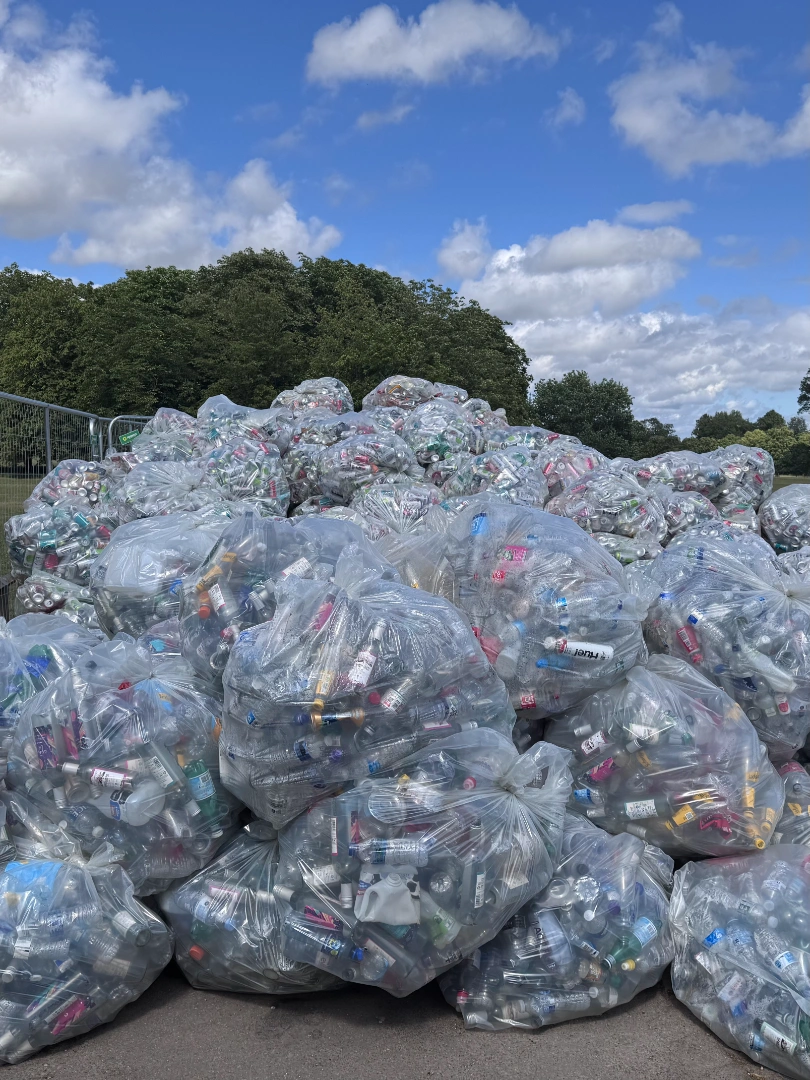

Run your event plan through the sustainable event filter.
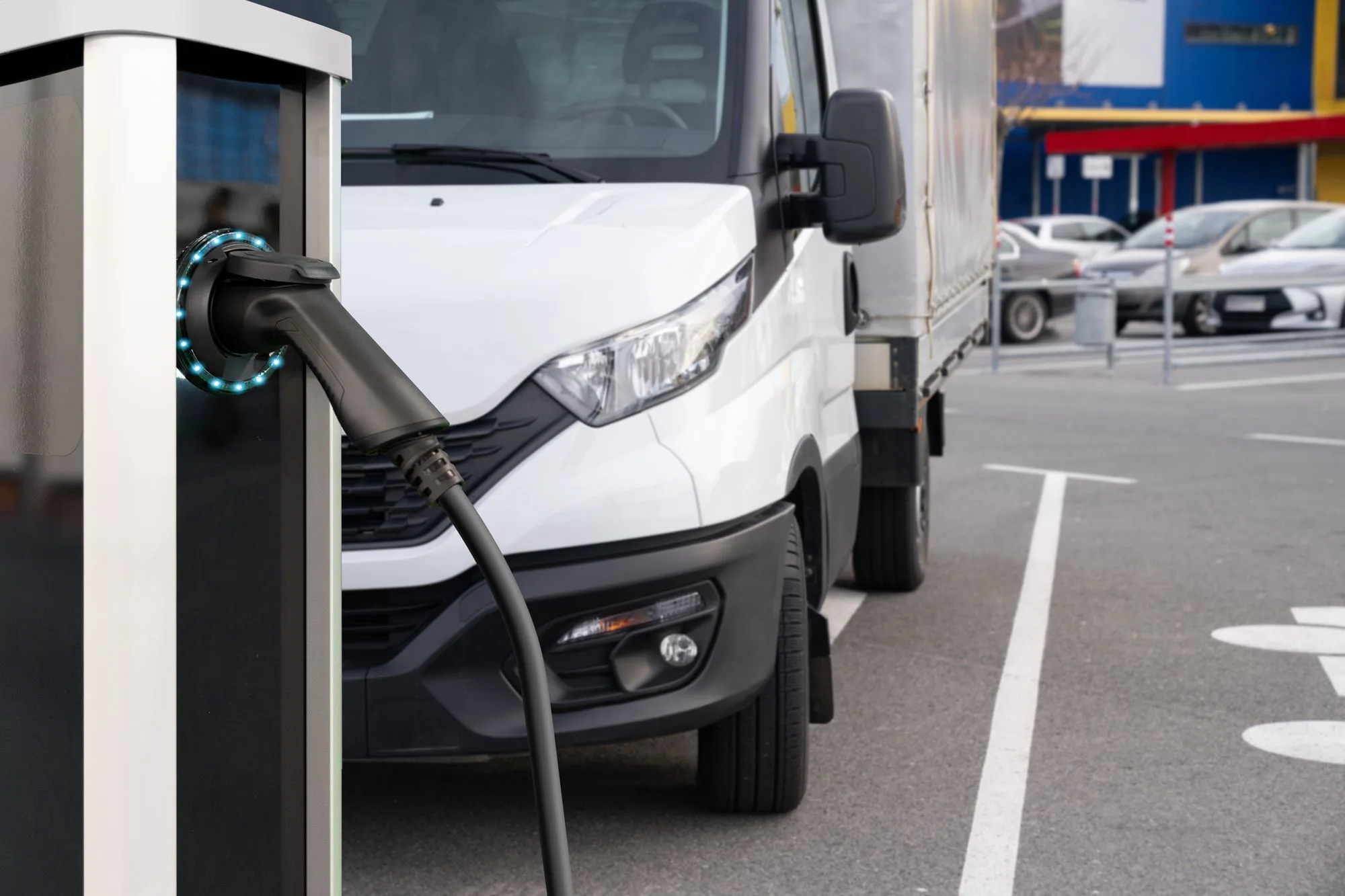
Swap diesel for solar, batteries, mains and electric alternatives.