Become resilient to droughts
- 01Create a sustainable water-management system
- 02Improve soil health and moisture retention
- 03Design shaded areas for horse welfare
- 04Make your riding arena drought-resilient
- 05Use drought-resilient landscaping
- 06Reduce water consumption around the yard
- 07Create a drought emergency plan
- 08Drought and flooding solutions
Hotter, drier springs and summers are set to be the pattern for weather in the UK now and into the future. With an overburdened water system, this also means the likelihood of droughts to a greater or lesser degree each year. The UK is impacted differently, with the South already showing signs of drought stress. Therefore it is important to start building resilience into your yard to prepare for the increased threat of droughts.
Making your yard resilient to drought means designing it to cope with prolonged dry weather, water shortages, poor grass growth, dusty arenas and increased pressure on grazing. There are a number of welfare risks to both humans and horses during droughts, so a robust plan is an important part of both maintaining operations, and good health and wellbeing.
Create a sustainable water-management system
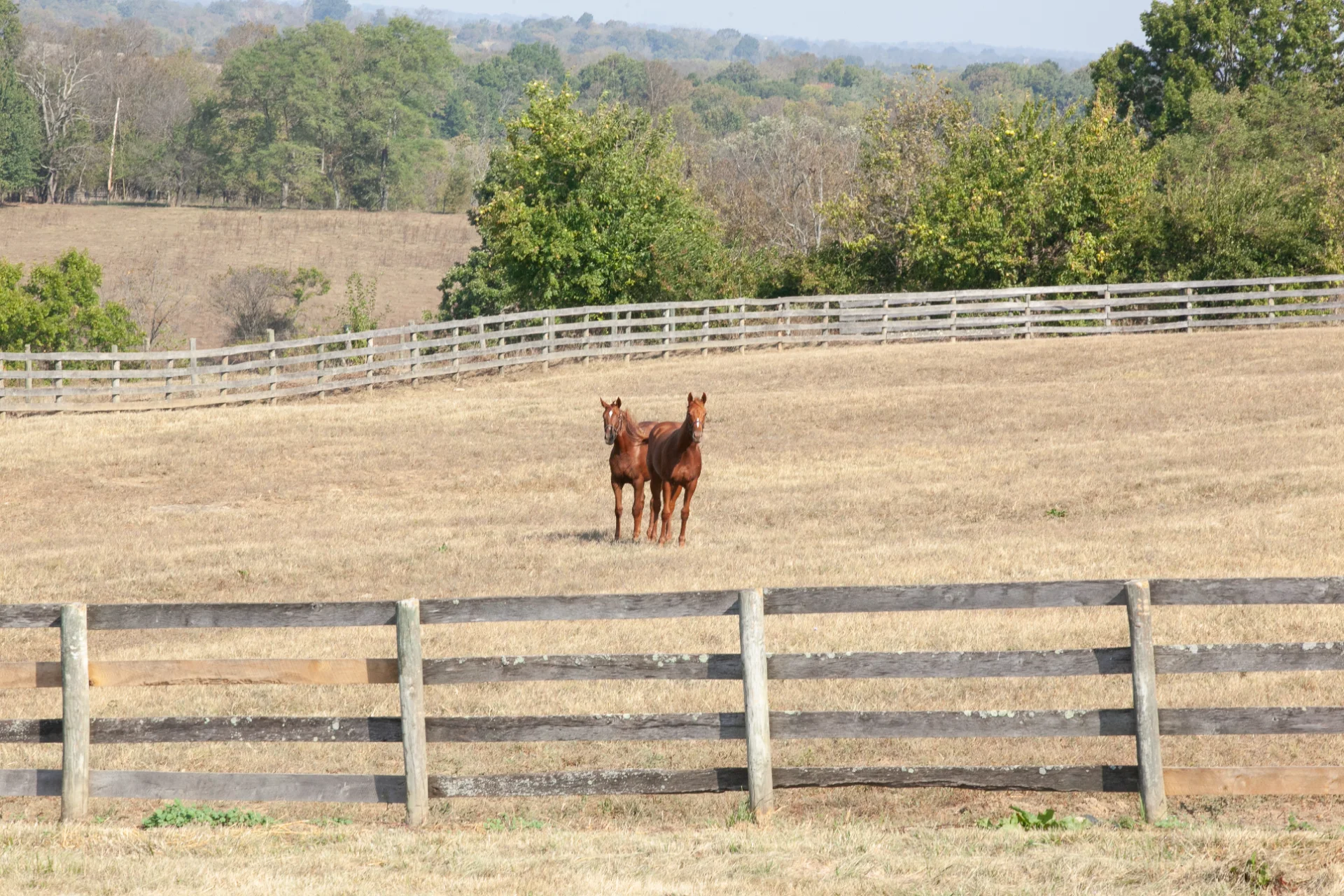
Water security should be everyone’s number one priority, as the UK begins to show signs of supply fragility and predictions of severe shortages in the future. Equestrians are perfectly suited to creating good water management systems onsite, with ample roof coverage and storage space in most yards.
Calculate how much water your yard uses daily, including horse drinking requirements, washing, arena maintenance and irrigation. This will help determine how much storage you need.
- Consider installing rainwater harvesting from stable and arena roofs.
- Use large storage tanks to collect winter rainfall.
- Create covered water-storage facilities to reduce evaporation.
- Install water-efficient taps and wash-down systems.
- Use harvested rainwater for arena irrigation, cleaning and landscaping
- Invest in water saving devices and instil an ethos of water conservation amongst the team
Improve soil health and moisture retention
One of the biggest contributors to damage from flooding and drought is an unhealthy ecosystem, unable to cope with the pressures of extreme weather. A healthy soil structure helps rainfall infiltrate rather than running off the surface. Soil health can be achieved through years of careful intervention.
- Increase organic matter through appropriate soil interventions. A simple soil sample test will tell you your soil type and any support it needs.
- Avoid overgrazing. Resting your land for several weeks will enable the soil to recover and come back stronger.
- Minimise soil compaction by putting in place suitable horse management systems for your location.
- Maintain healthy grass cover by avoiding overgrazing. Always aim to maintain approximately 10cm of height.
- Incorporate a diverse sward, including deep rooted varieties like sainfoin.

Design shaded areas for horse welfare
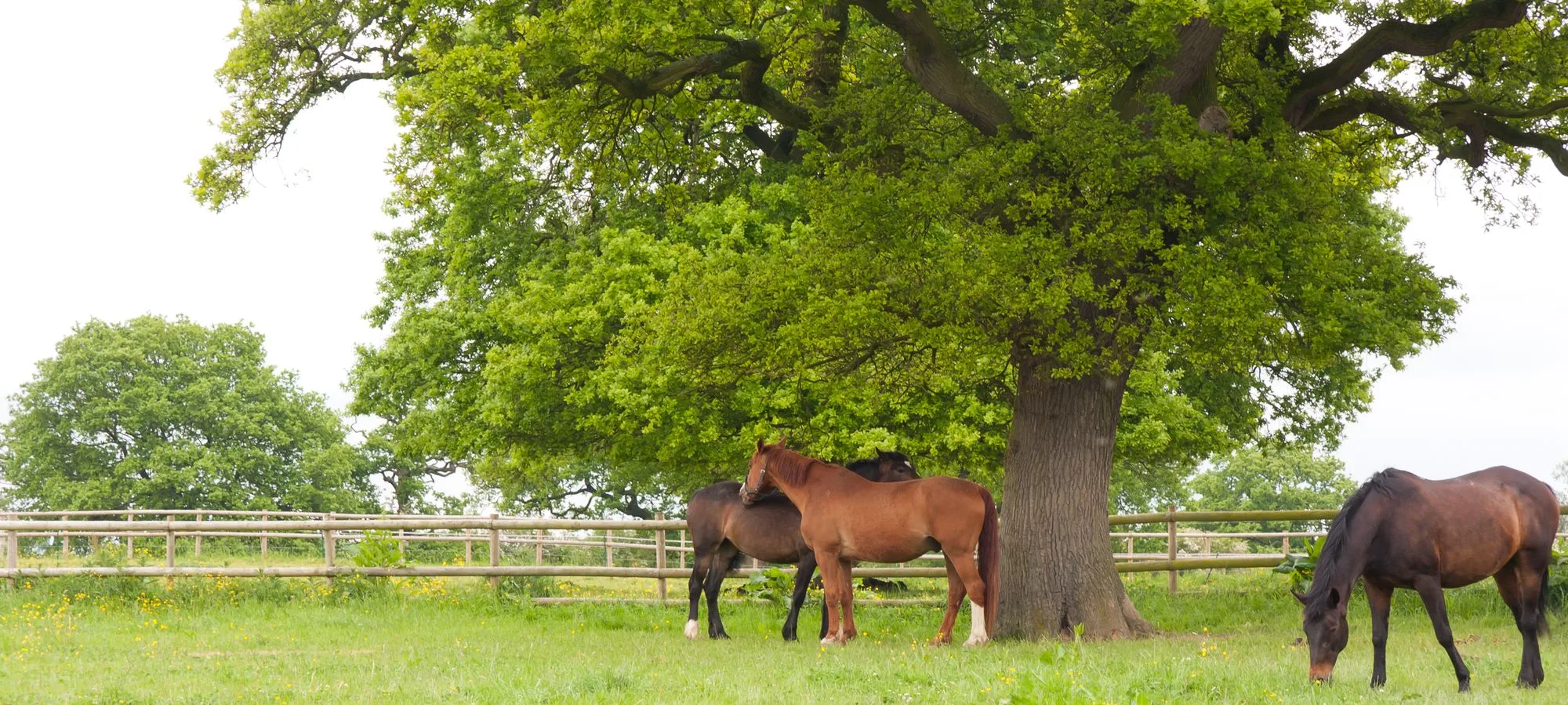
Heat stress can become a serious issue during prolonged dry weather and horses will need shade throughout the hotter, drier summers in the UK. Make sure that horses are able to find a cool shady spot at all times of day no matter what position the sun is at.
- Natural shade from carefully selected trees
- Field shelters with good ventilation
- Multiple shaded resting areas
- Water troughs positioned away from direct sunlight
- Adequate space for horses to avoid competition for shade
Make your riding arena drought-resilient
Our arenas can produce excessive dust, affecting both horses and riders. During the hot, dry summer months, this is exacerbated, and with limited water availability, it is important to put in place management systems to cope with the changing climate.
Note that it is no longer legal in the UK to utilise post-consumer carpet fibres in arena surfaces. During hot dusty periods, the toxic substances in carpet fibres could contribute to ill health. Moving forward, consider natural arena surfaces for a higher welfare experience.
Consider:
- Installing an efficient irrigation system.
- Using rainwater harvesting for arena watering.
- Selecting an arena surface with appropriate moisture-retention characteristics.
- Installing automated irrigation controls.
- Ensuring the sub-base supports appropriate drainage and moisture management.
- Maintaining the surface regularly to prevent excessive drying and compaction.

Use drought-resilient landscaping
Watering plants during a drought is typically restricted due to hose pipe bans. However, through careful planting, you can develop a beautifully landscaped yard, which is still a haven for wildlife, attractive and resilient to drought. Make sure that you choose planting that is safe around horses and avoid creating access to poisonous trees and shrubs.
Ideas include:
- Replacing thirsty ornamental planting with drought-tolerant species.
- Establishing native hedgerows.
- Planting suitable deep-rooting trees.
- Using mulch around non-grazed planting areas.
- Creating windbreaks to reduce moisture loss.
- Maintaining vegetated ground cover to protect soil.
Reduce water consumption around the yard
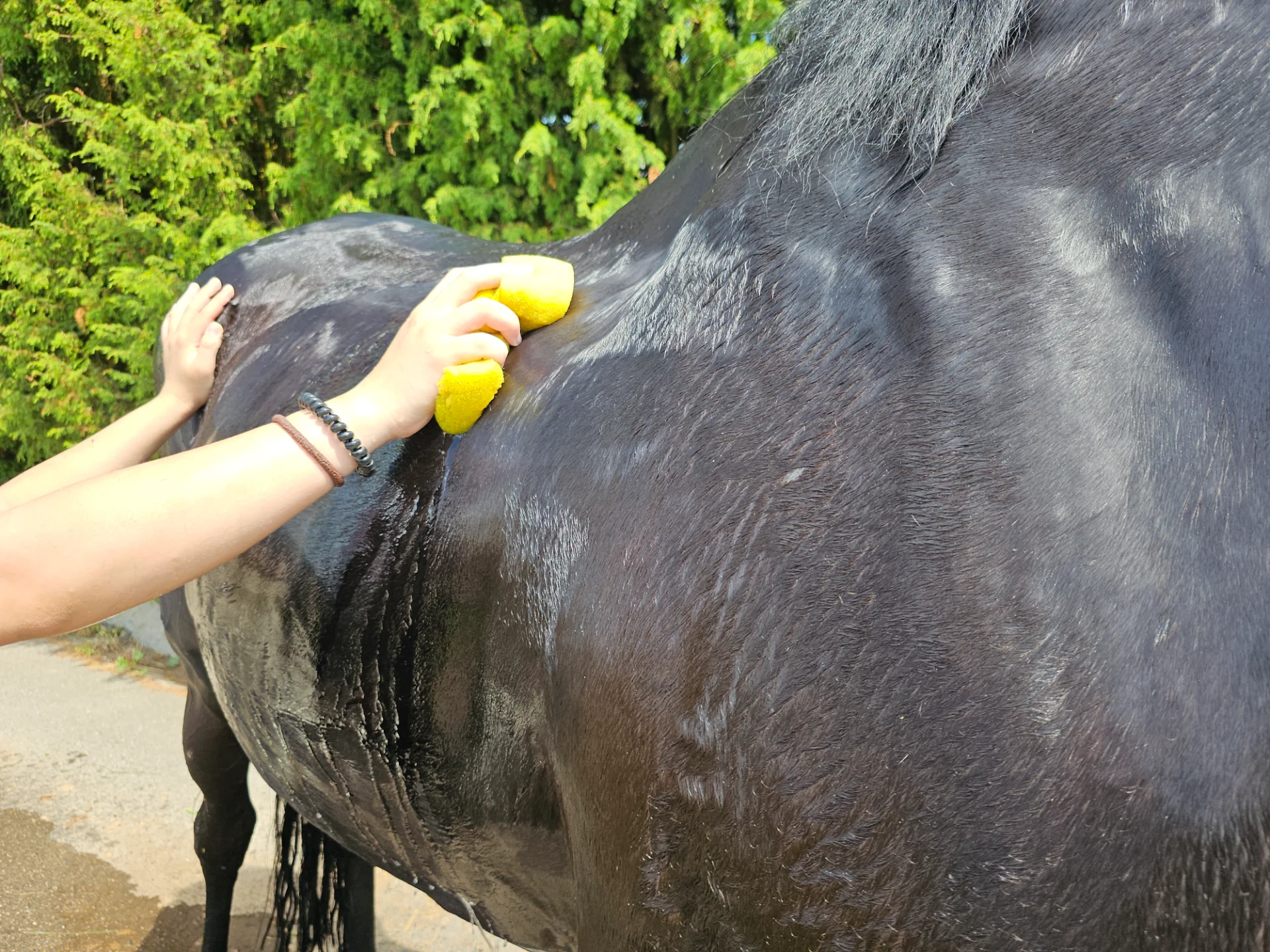
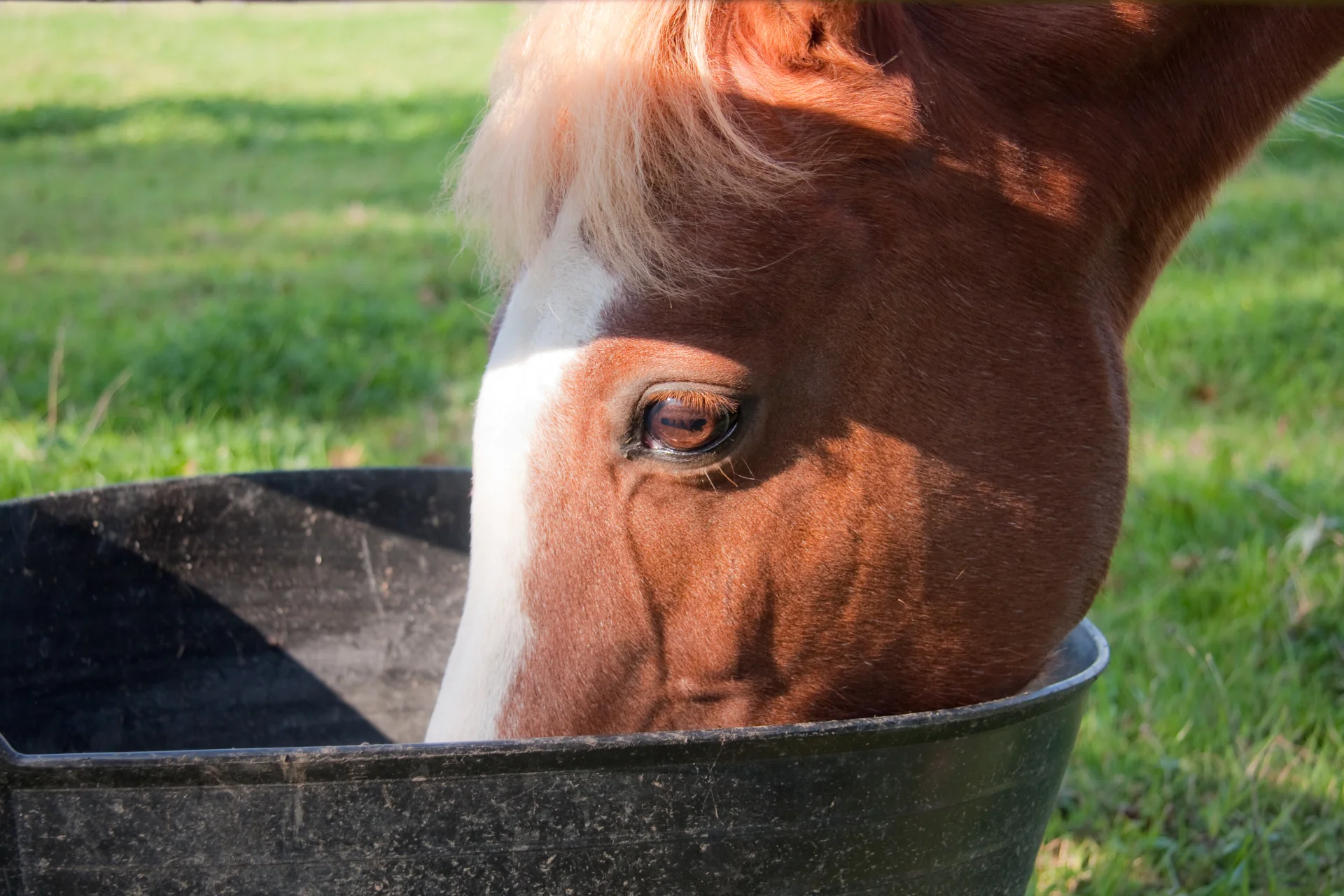
There are lots of ways to reduce water use in order to make your supplies last through the drought. Remember that horses should never have water restricted, so any water saving measures should exclude water available for horses to drink.
Create a drought emergency plan
Unlike a storm, a drought typically happens over an extended period of time, making it easier to plan for. However it is still important to have an emergency plan ready, as resilience to drought requires long term infrastructure to be in place.
Ensure that you have all of the following considerations addressed:
- Emergency drinking-water supplies for staff and horses.
- Backup water storage.
- Additional hay and forage storage for unexpected summer needs.
- Alternative turnout arrangements with shade and shelter.
- Heatwave management plans for staff and horses.
- Veterinary support available for dehydration and heat-related illness.
Drought and flooding solutions
In many cases, resilience to flooding requires similar measures and planning to resilience to drought. Therefore when thinking about investment in infrastructure or making changes to your operation, consider both challenges together.
| Design feature | Flood benefit | Drought benefit |
|---|---|---|
| Rainwater harvesting | Captures roof runoff | Stores water for dry periods |
| Healthy soils | Improves infiltration | Retains soil moisture |
| Ponds and water storage | Attenuates runoff | Provides stored water where appropriate |
| Trees and hedgerows | Slow surface runoff and absorb water | Provide shade and shelter |
| Diverse pasture | Supports soil structure | Improves grazing resilience |
| Wetlands | Store excess water | Support landscape biodiversity |
Explore more articles
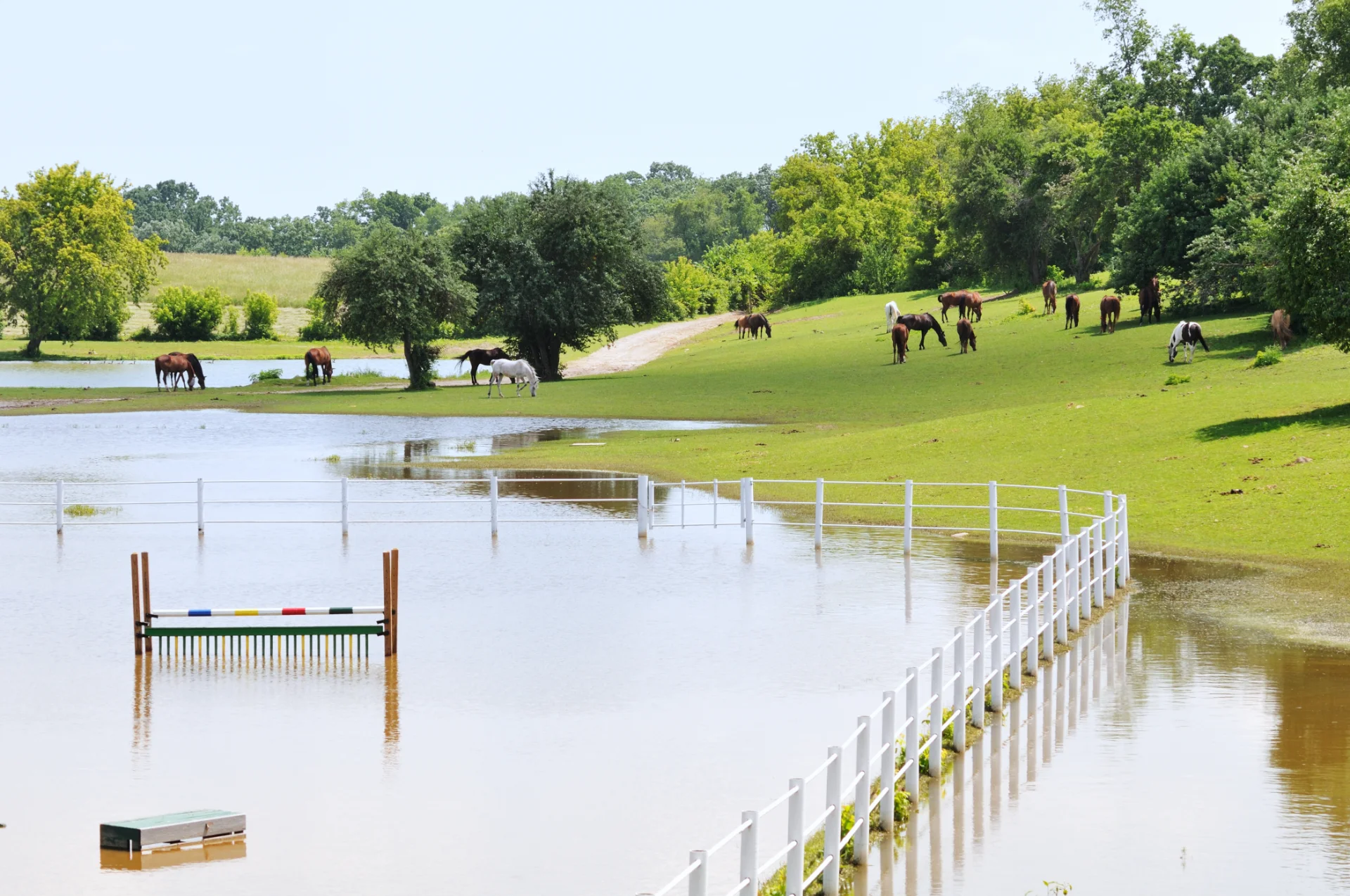
Plan your yard, paddocks and buildings for wetter winters.
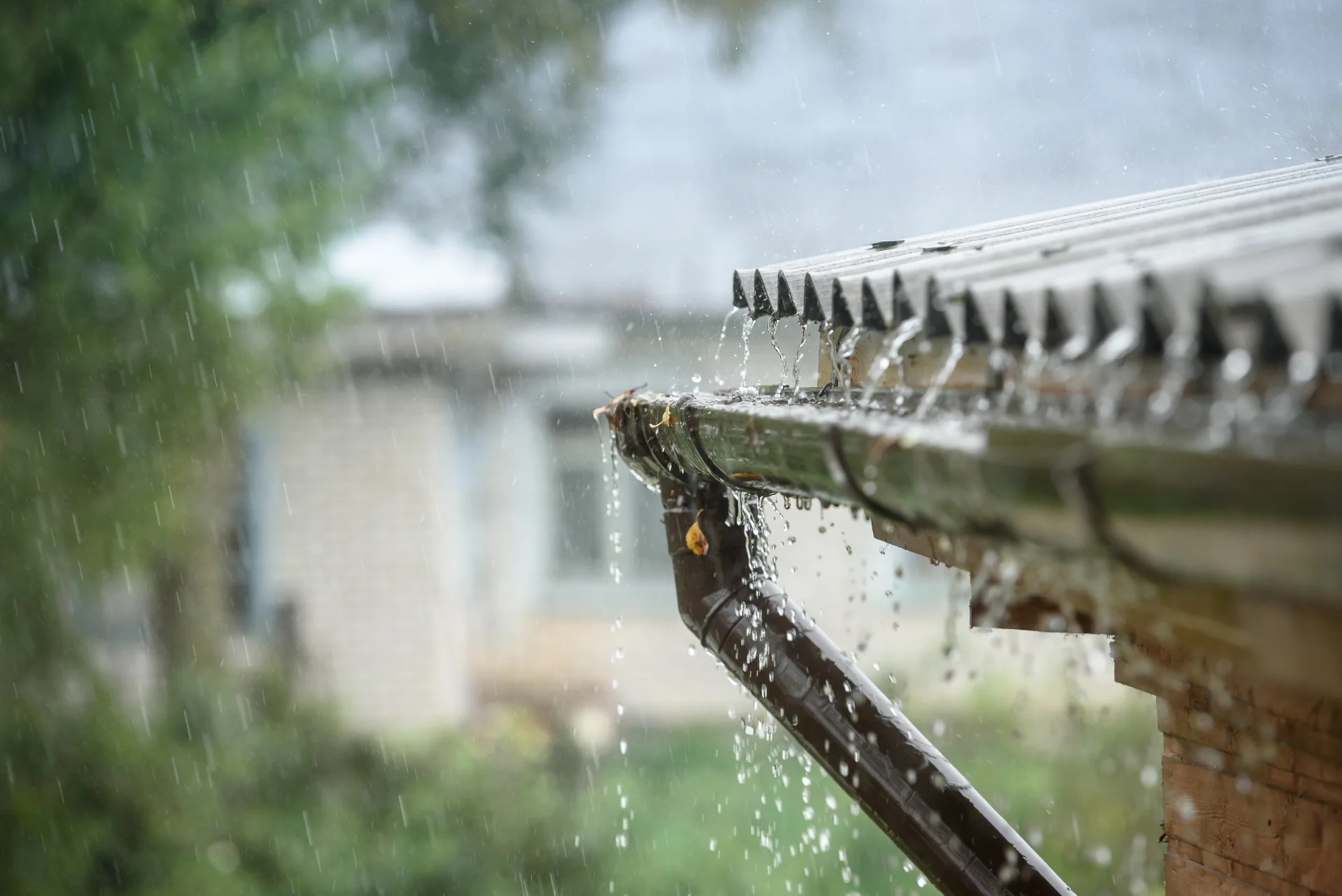
Collect and store rainwater to keep your yard supplied.