“Making thoughtful choices about horse bedding, can make a big difference to horse welfare, farmers and your pocket,” says Lou Robson, trainer for Rehoming of Racehorses.
When it comes to looking after horses, particularly those making the important transition from racing into a new career, the smallest decisions can make a surprisingly big difference. At her yard in Buckinghamshire, Lou may have retrained racehorses for the late Queen Elizabeth II, but she keeps her feet firmly on the ground when it comes to supporting local farming and the environment, in her pursuit of creating a high welfare environment for her horses.
“I think it is so important to understand that taking care of horse welfare and the environment, is a mutually beneficial thing and we don’t have to over think it. Getting straw bedding from my local farmer is an obvious choice to keep costs and my carbon footprint down, but I do it because it is a high welfare choice for our horses.
“Our horses often have specific management needs, and I believe that it is so important to use straw bedding as it can help to support long-term physical health, as well as mental wellbeing. There are many ways in which a big straw bed can support a horse’s overall wellbeing, one example of which that numerous studies have demonstrated, is that horses will lie down for significantly longer periods on straw than on other types of bedding.”
Making better use of what we already grow
Straw is a sustainable option for horse owners, due to the low transport miles of purchasing the bedding locally, the regenerative nature of the crop and the ability to plough the manure safely and quickly back onto the land.
Straw is a natural by-product of cereal production. Finding useful applications for this material, including suitable horse bedding, helps create value from an existing agricultural resource. When sourced locally, processed and transported efficiently, chopped straw may also offer environmental advantages through shorter supply chains and reduced transport requirements.
But Lou says she has noticed another benefit.
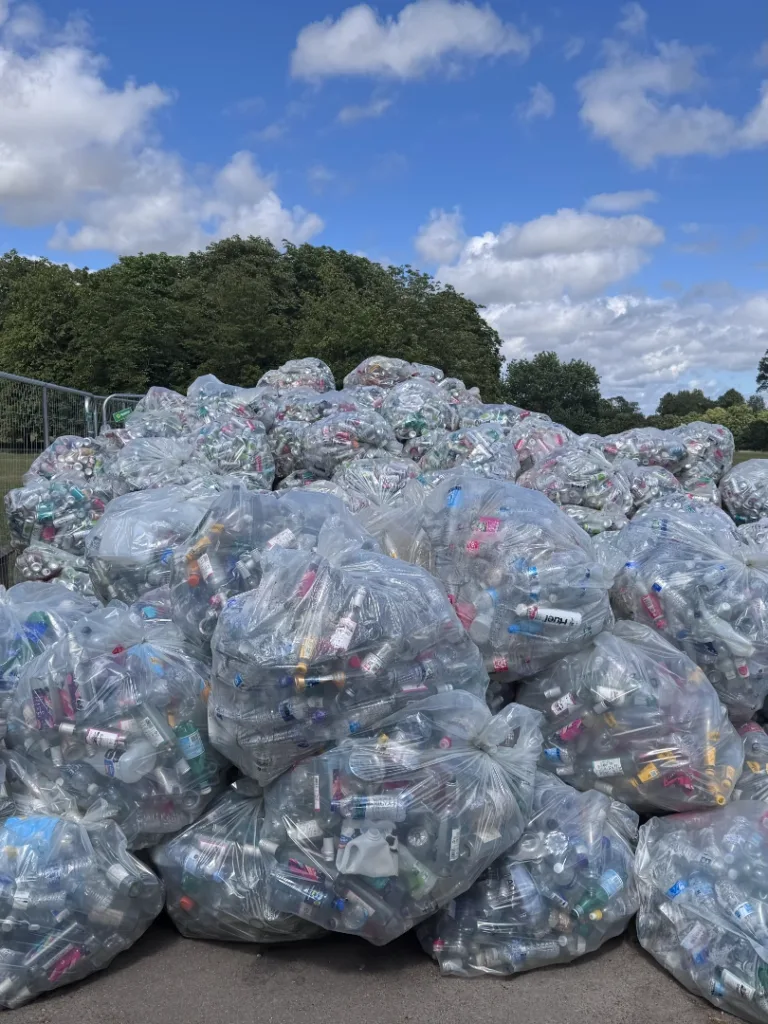
“We also really manage to keep our waste low, because we aren’t grappling with hundreds of plastic bags that we would then have to pay to have removed in our large bin. I don’t like the idea of plastic waste, so for us, local straw makes the most sense.”
Horse welfare at the heart
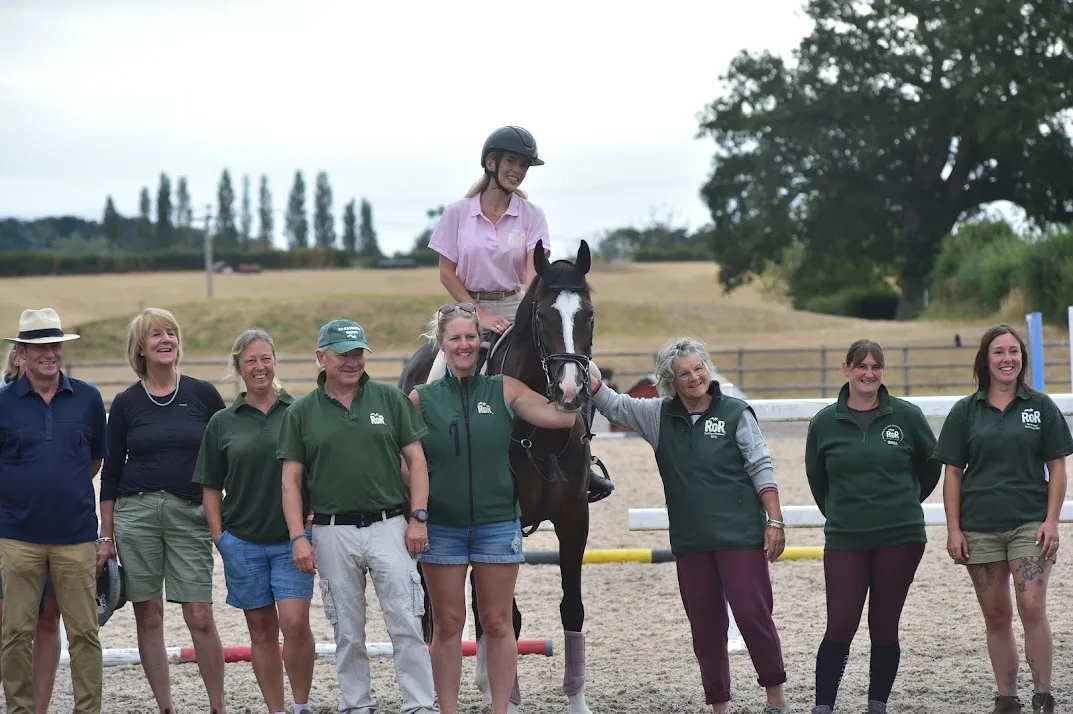
For those involved with Retraining of Racehorses (RoR), welfare is always the first priority. “A former racehorse deserves the very best opportunity to enjoy a healthy, comfortable and fulfilling life beyond the track. Providing the right environment is an essential part of that journey.” Said Ali Dane, Head of Education and Participation.
Following the recent publication of RoR’s new aftercare strategy, alongside British racing’s new welfare strategy, A life well lived, understanding every aspect of a horse’s welfare continues to be in the spotlight. Ensuring that horse have access to a comfortable, clean and suitable environment where they can rest, lie down and feel secure is fundamental to equine welfare. Horses need somewhere warm, dry and comfortable, whether that’s in a stable, an open barn in a herd, or a field shelter.
For former racehorses, who may be adapting to a completely different lifestyle, fulfilment of these basic needs is particularly important. Moving from the structured environment of racing into a second career, can involve significant physical and mental adjustment. Good daily management, consistency and attention to their surroundings all help make that transition a positive experience. “Bedding plays a much bigger role in this than we might initially think.” Ali explained.
And a helping hand for British farming
By supporting local farmers and considering straw as a bedding option, horse owners and trainers have an opportunity to support welfare, the environment and local farmers – all whilst saving money.
British farmers are an essential part of our rural communities, yet the connection between agriculture and the equestrian industry is sometimes overlooked. Choosing to buy from local farmers helps maintain this important relationship, and Lou explained that it also helps with transparency, “I know exactly what I am getting, whether it be hay or straw because I know the farmer, I know the farm and we can talk about the products he has grown and harvested face to face.”