How to measure your carbon footprint
What is a carbon footprint?
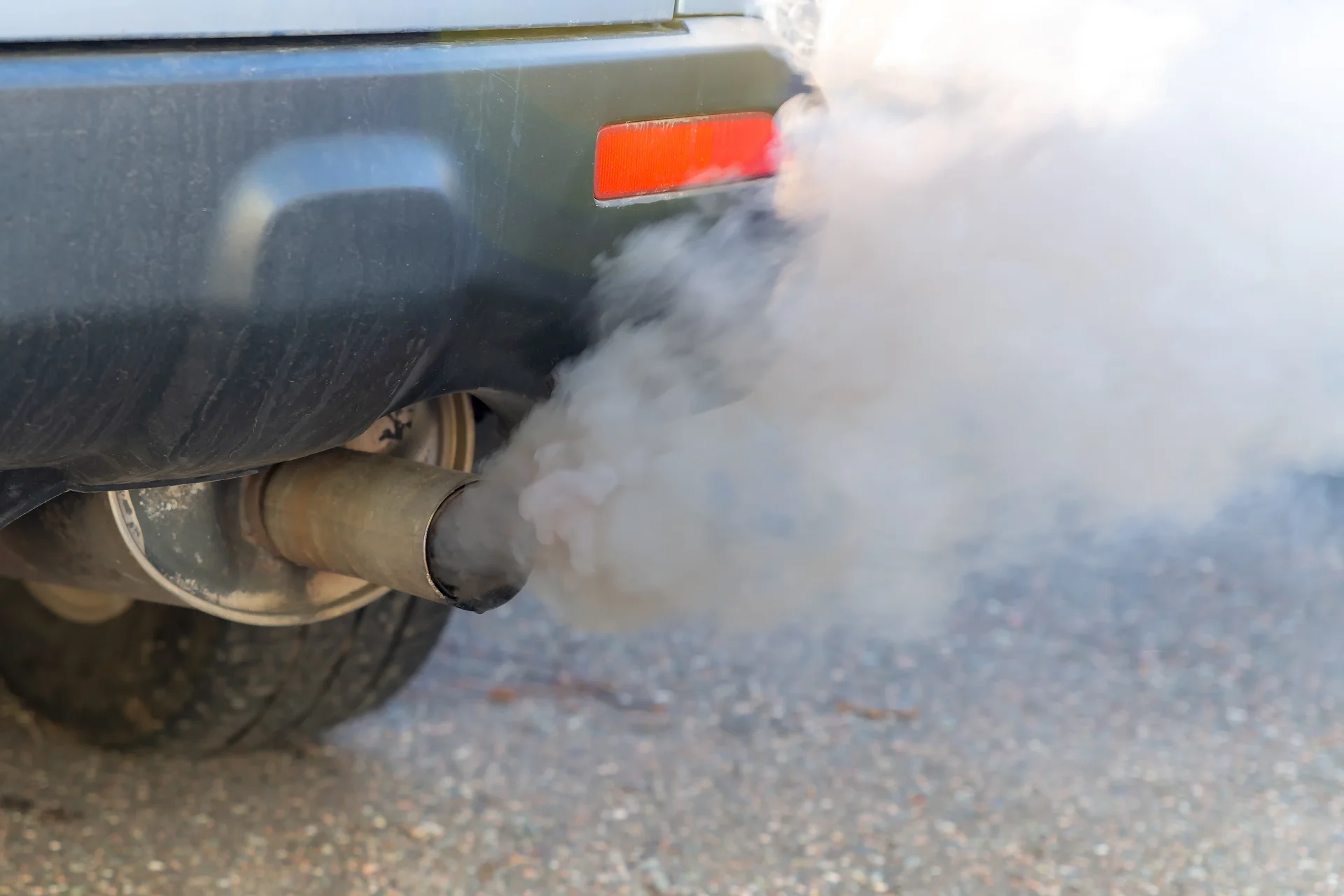
Almost everything we do and buy has greenhouse gas emissions linked to it in some way. Greenhouse gases are the driving force behind human-induced climate change, propelling global warming at a rapid rate.
A carbon footprint is a measurement of these greenhouse gases, created by a person or a business, through activities like burning fuel for heat, the diesel and petrol in our cars, or fossil fuels used to create electricity. A carbon footprint is commonly reported in a unit of CO2e or ‘carbon dioxide equivalent’. (The ‘e’ means you have included all the greenhouse gases in your calculation, not just carbon dioxide.)
Greenhouse gases are gases in the Earth’s atmosphere that trap heat to create the perfect conditions for life on Earth. In the right quantities, they are vital to maintaining a steady climate; too much and they cause excessive heating, which leads to climate change.
Carbon dioxide (CO2) is the most commonly known greenhouse gas, but others, such as methane, nitrous oxide and more, all contribute to climate change.
Why should we measure our carbon footprint?
Measuring your carbon footprint gives you the information to understand your own impact on the environment.
For many, the ‘hot spots’ will often be linked to travel and the energy you use at home, in your yard, in your workplace, or business.
We are all responsible for creating climate change and we can all be responsible for reversing it by managing our own impacts. So, knowing which activities create the greatest greenhouse gas emissions means you can find less harmful ways to do the same activity.
Horses have a carbon footprint too! They produce some methane themselves (though very little compared to other large mammals due to their single-chambered stomach), but the majority of the emissions from a horse are tied to the way we care for them.
Feed alone can account for as much as 59% of the emissions associated with keeping a horse, depending on its age and lifestyle.
Add transporting a horse into the mix, and this quickly alters the numbers, with research suggesting transport could account for up to 90% of a horse’s emissions, depending heavily on frequency, mode and distance travelled.
How to measure a carbon footprint
For a simple way to measure your carbon footprint, there are two free-to-use tools on this website: the equine carbon calculator, for your yard or business, and the Agria hoofprint, if you are curious to understand the footprint of your horse.
I want to measure my horse’s carbon hoofprint impact
Use the Agria hoofprint to understand the footprint of your horse.
I want to measure my own, or my business’s carbon footprint
Use the equine carbon calculator to measure the footprint of your yard or business.
For extra tips and guidance on how to create your own footprint, or manage the data needed for the calculators, read on!
What do I need to measure?
Measuring your carbon footprint involves calculating the emissions associated with your activities and products. The most common sources of emissions include:
Electricity use
Fuel use
In vehicles, machinery, and for heating.
Travel on public transport
Trains, trams, buses, taxis, planes, ferries and more.
The products you purchase
Water use and its treatment
Waste
Record the actual activity
To create a carbon footprint, we use the data metric associated with that activity and then convert it to CO2e. Emissions are most accurately calculated when the actual activity is recorded. For example:
- The litres of petrol you purchased to fill up your car (best recorded weekly, or monthly to keep a tally), or the annual mileage done in your car, which is recorded by your car and noted during an annual MOT.
- The monthly kWh of electricity you have used, which will always be noted on your electricity bill, or by your smart meter.
The technical bit
For those who like the detail behind the data!
Public databases for converting activities to CO2e are available, and in the UK these are published annually by the Department for Energy Security and Net Zero (DESNZ): 2026 conversion factors.
The most commonly used guidance globally for measuring carbon emissions is the Greenhouse Gas Protocol.
How do I get started?
It is best to log data throughout the year, so that it is easy to input it into the calculators each year to get the total footprint. Try these top tips for managing your data on a daily basis:
Travel miles
Keep a log of your mileage at the start and end of the year from your car or lorry dashboard. You can also keep a tin of fuel receipts which will tell you how much fuel you have used (and the cost).
Electricity
Pop your monthly bills in a separate file to input at the end of the year, or if you use your provider’s app, good news! It will all be stored for you.
Bedding
Keep a log of how much bedding you have purchased from the start of the year through to the end, remembering the date you have chosen to start your carbon footprint.
Explore more articles

The basics, and why it matters for horses and the people who care for them.
Where to start switching your energy, heating and transport.

Track your use, flag the hot spots and build switch-off habits.