Risks to horse owners and yards
Environmental sustainability is a mission critical topic for all yard and horse owners and it is important that we understand the challenges we face, in order to build resilience, safety and wellbeing into our spaces.
For decades, the topic has been treated as a remote, scientific issue, having little or nothing to do with the UK, much less equestrian lives. However climate change and pressures on our resources mean that the risks to horse owners and yards are relevant both now and in the future.
Extreme weather challenges
There are six key aspects to climate change which impact our yards and horse welfare:
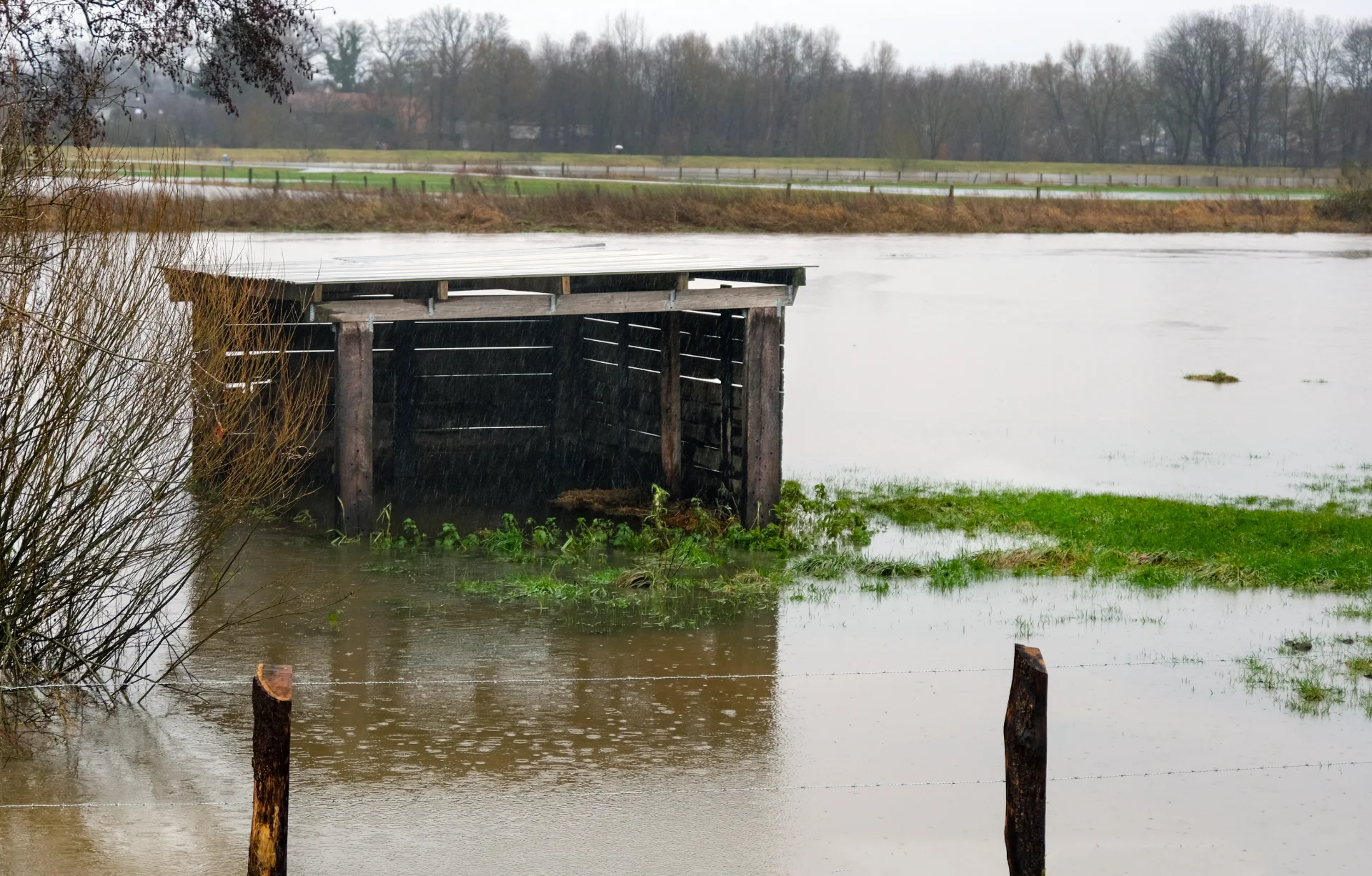
Risk to infrastructure
Extreme weather events are becoming more frequent, ferocious and harder to predict, posing a threat to our infrastructure for a number of reasons. In the winter, storms and flooding pose the greatest risk of damage to our property in the short term. According to a national assessment, 1 in 4 homes are at risk of flooding in the UK with many equestrian properties falling within that category. But additionally, drought in the summer months is rendering our trees more vulnerable, meaning a greater risk of fallen trees during the stormier autumn and winter period.
Risk to horse health
Our horses are at risk through a number of avenues, due to climate change. Over the summer, hotter, drier periods, leading to drought and extreme fluctuations in temperatures, risks dehydration, electrolyte imbalances, respiratory challenges, heat stress and exhaustion among many challenges. Whilst in the winter, flooding, muddy conditions, lack of turnout can all lead to risks of mud fever, skin infections, pressure on joints, risk of injury from slippery and unsuitable conditions. Equally, limited turnout could directly impact mood and mental wellbeing.
Indirectly, a range of sustainability related impacts, including drought, affect the quality and nutritional value of both grazing and hay, leading to changes in gut health, weight management and overall wellbeing.
Infectious disease is significantly increased due to climate change, with the risk of diseases like African Horse Sickness and West Nile Virus more easily carried to the UK due to increasing temperatures enabling vectors like mosquitoes.
A lesser known risk is the relationship between climate change and the rise of mycotoxins. A naturally occurring toxic substance, the mould and fungi develop in hay, haylage and other raw materials, and their presence can create digestive issues and potentially severe diseases in horses. Rising temperatures, unpredictable rainfall and crop stress are just some of the ways in which climate change is creating conditions more favourable to the development of mycotoxins.
Impacts on turnout
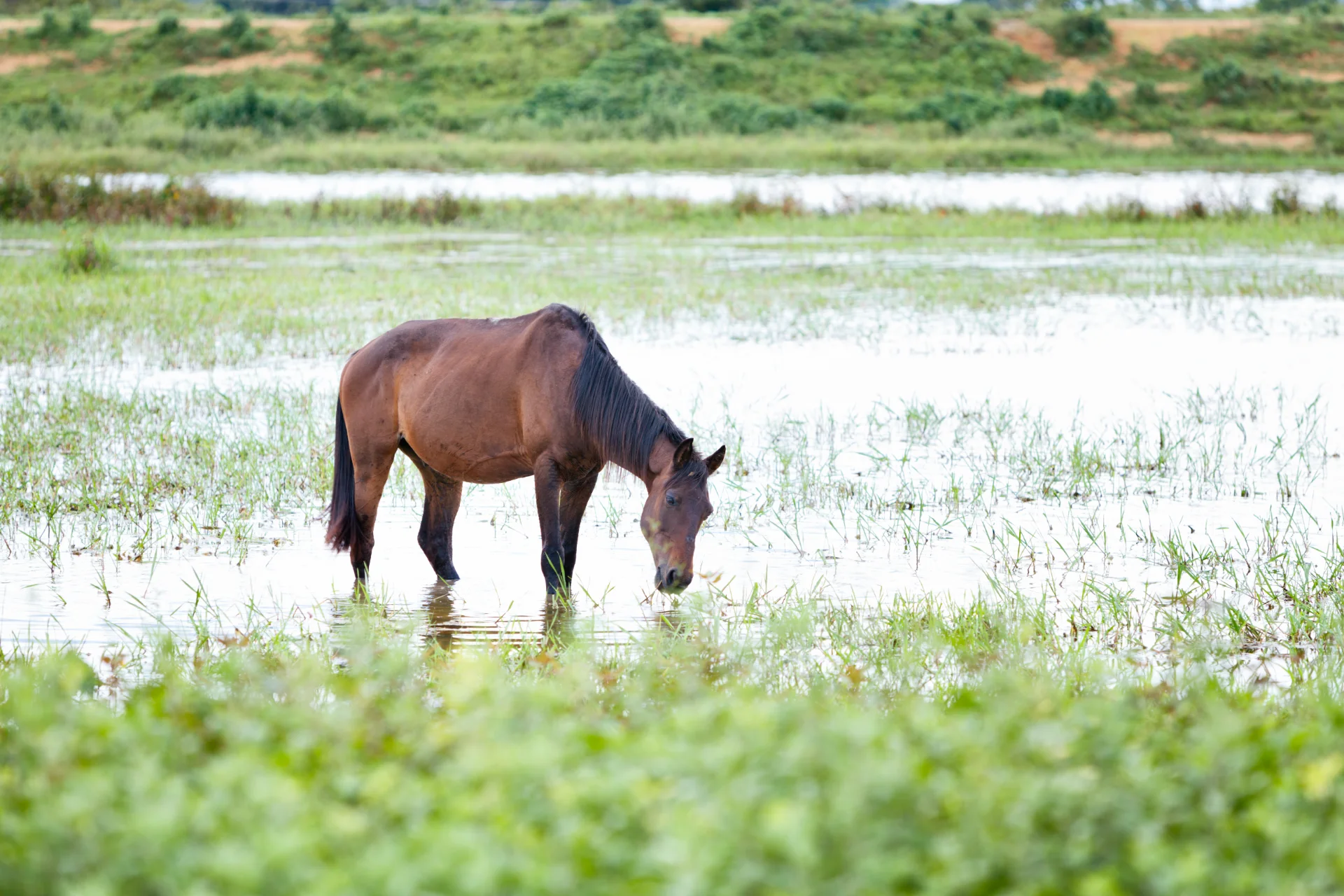
The reduced availability of turnout as a result of climate change isn’t just a horse welfare issue, it is a horse management issue, with yard owners needing to think differently about their spaces, their staffing and how to change every aspect of a horse’s needs, with a different programme of stabling.
Availability of feed and bedding
Climate change is impacting our farmers and years of a changing climate are beginning to change agricultural patterns as well as the yield and quality of crops. Not only is there pressure on farmers to produce hay and straw, as well as other crops associated with the care of horses, because of climate change, both their yield is at risk, and the demand is increasing, as horse owners are struggling to provide adequate grazing. Supplies squeezed from both ends means that we can expect to see availability reduce and costs increase.
Water shortages
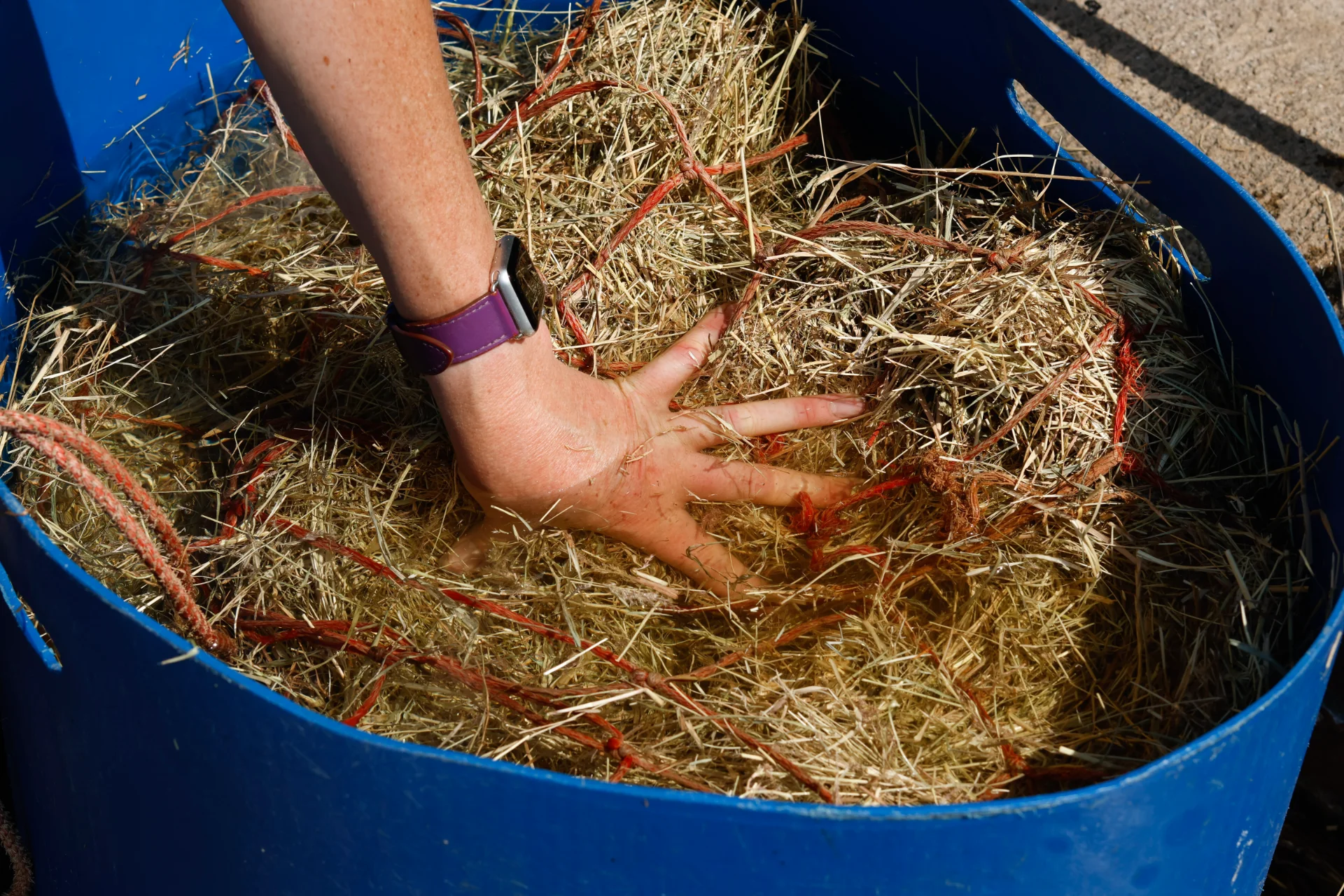
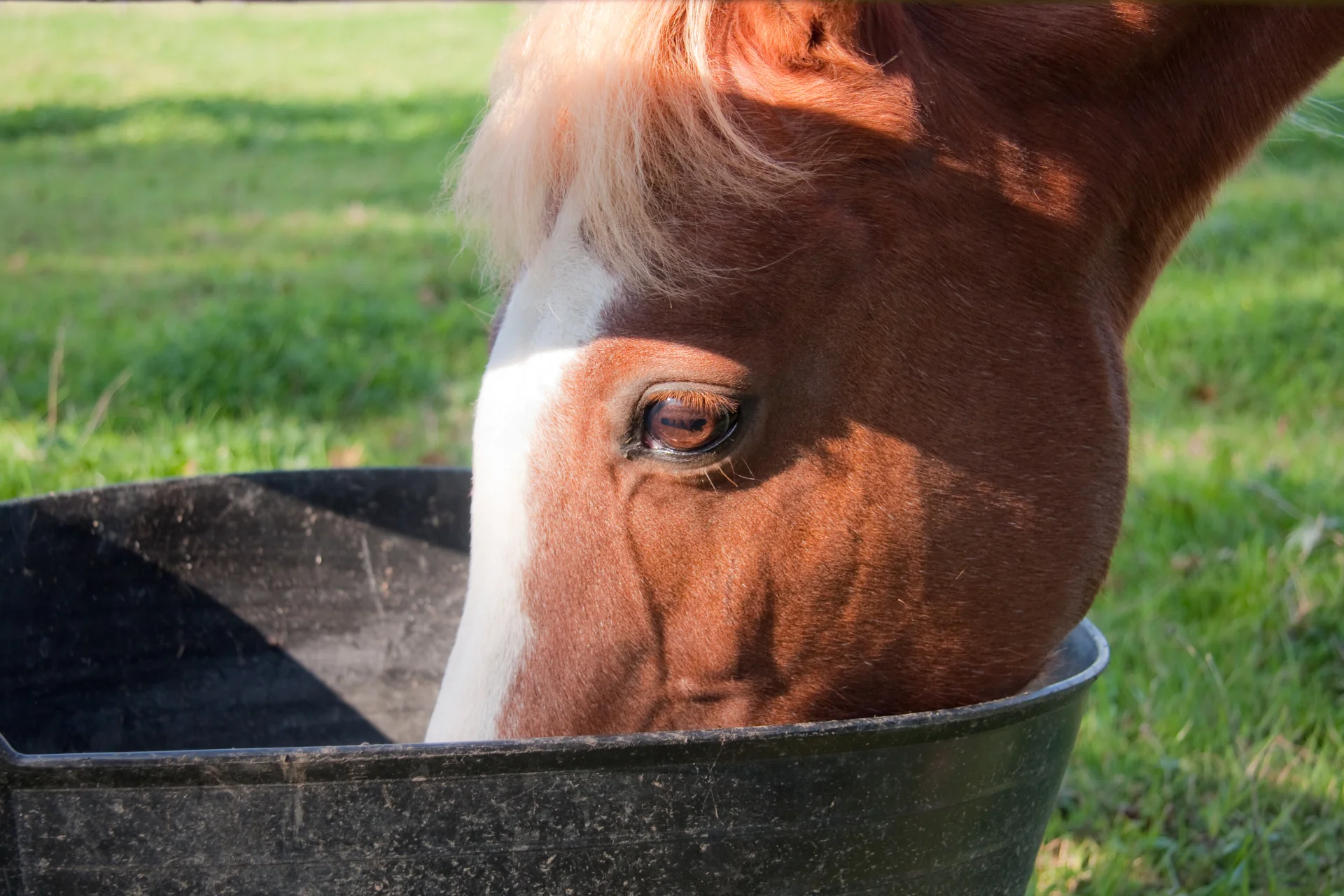
Whilst a separate topic in sustainability, the water shortages the UK faces now and into the future are exacerbated by the hotter, drier summers and record-breaking temperatures leading to drought. Horses require more water during the summer, when the water table is at its most stressed, leading to the risk of water shortages and even no water. This has already begun to happen in the UK and equestrians and residents are advised to develop a water resilience plan for their properties.
Rising costs
Whilst many people consider sustainability to be an expensive undertaking, not taking action can be the most costly option of all, as failure to prepare could leave yard owners facing high bills for infrastructure repairs, energy and water, feed and bedding and even veterinary care. As resources deplete and environmental breakdown worsens, prices will rise, making it even harder to deliver a financially sustainable operation.
A healthier and more resilient future for horses and yard owners begins with an understanding of these risks, and the various solutions to adapt to a changing climate.
Guides for horse and yard owners
Repair & reuse
How to repair your tack
Keep leatherwork in use for longer with the right repairer, plus small fixes you can do yourself.
- Owners & yards
Repair & reuse
How to repair saddles
When to call a saddler, which small jobs you can do yourself, and what never to fix at home.
- Owners & yards
Repair & reuse
How to mend rugs, equipment and clothing
Get rugs, yard equipment and clothing repaired, mend a rug at home, and give old kit a new job.
- Owners & yards
Repair & reuse
How to reduce single-use plastics
Find where single-use plastic hides in your yard and swap it out, starting with the one you use most.
- Owners & yards
Repair & reuse
Become circular
Make sure nothing used becomes waste, from manure and feed bags to packaging and the tricky bits.
- Owners & yards
Repair & reuse
How to improve recycling at your yard
Cut waste to landfill with the waste hierarchy and a few simple recycling streams.
- Owners & yards
Energy & carbon
How to install solar and battery storage
Generate and store your own power to cut electricity bills and emissions.
- Owners & yards
Energy & carbon
How to remove fossil fuels
Where to start on electricity, heating, transport and machinery, whatever the size of your operation.
- Owners & yards
- Organisations
- Venues & events
Energy & carbon
How to measure your carbon footprint
Find out where your emissions come from so you know which changes will make the biggest difference.
- Owners & yards
- Organisations
- Venues & events
Energy & carbon
How to save electricity
Track your use, flag the hot spots and build switch-off habits.
- Owners & yards
Water
How to install rainwater harvesting
Collect and store rainwater to keep your yard supplied and reduce mains water use.
- Owners & yards
Water
How to save water
Use the right water for the right job, and don’t waste a drop.
- Owners & yards
Land & nature
How to manage your paddock
Healthy paddock, healthy horses. A practical checklist for looking after your grazing and land.
- Owners & yards
Land & nature
How to install a track system
What track systems are for, how they help horses and land, and how to set one up.
- Owners & yards
Land & nature
How to install an Equicentral system
Rest and rotate your grazing with an Equicentral system to protect your pasture.
- Owners & yards
Land & nature
Horse friendly trees and shrubs
Which trees and hedging to plant for shade, shelter, biodiversity and horse welfare.
- Owners & yards
Land & nature
Make a home for nature
Ten simple ways to help wildlife thrive around your yard.
- Owners & yards
Land & nature
How to remove toxins
Why toxins like PFAS are a problem on the yard, and our top tips for going toxin free.
- Owners & yards
Manure & horse health
How to manage manure
Turn the biggest yard headache into a resource with better storage, composting and reuse.
- Owners & yards
Manure & horse health
How to make poo bricks
Nature's fuel. Turn dried manure into bricks you can burn, and see how one yard does it.
- Owners & yards
Manure & horse health
How to do a faecal egg count
Test before you worm to protect your horse, slow resistance and keep wormers out of the soil.
- Owners & yards
Resilience & funding
Become resilient to floods
Drainage, all-weather turnout, building protection and an emergency plan for wetter winters.
- Owners & yards
Resilience & funding
Become resilient to droughts
Water storage, healthy soils, shade and a drought plan for hotter, drier summers.
- Owners & yards
Resilience & funding
How to get funding
Local, community and national funding that can help pay for bigger changes on your yard.
- Owners & yards