Risks to businesses and the supply chain
For business owners, having one eye on the day-to-day and one eye on the future is the daily balance of financial sustainability. But understanding the risks climate change and other aspects of sustainability pose to your business should form part of that mentality, to keep your business fit for the future.
Environmental challenges are becoming increasingly important for businesses across every industry to understand. From manufacturing and construction to retail, agriculture, hospitality, transport and professional services, companies depend on natural resources and healthy ecosystems to operate successfully.
The topic isn’t new, but the risks are increasing
The topic of sustainability in business has been around for a long time and creating a sustainable pathway to build a resilient business is all part of ESG driven by financial institutions and governments, to encourage businesses to embed sustainability more deliberately. (Check out our page on businesses and organisations for an explanation of ESG and the history of sustainability in business).
Climate change, water shortages, biodiversity loss, resource depletion and pollution are no longer just environmental concerns, they are also commercial risks that can affect business costs, profitability, supply chains, reputation and long-term financial stability.
Understanding these risks is an important first step towards building more sustainable and resilient businesses.
What do I need to know?
Risks to infrastructure
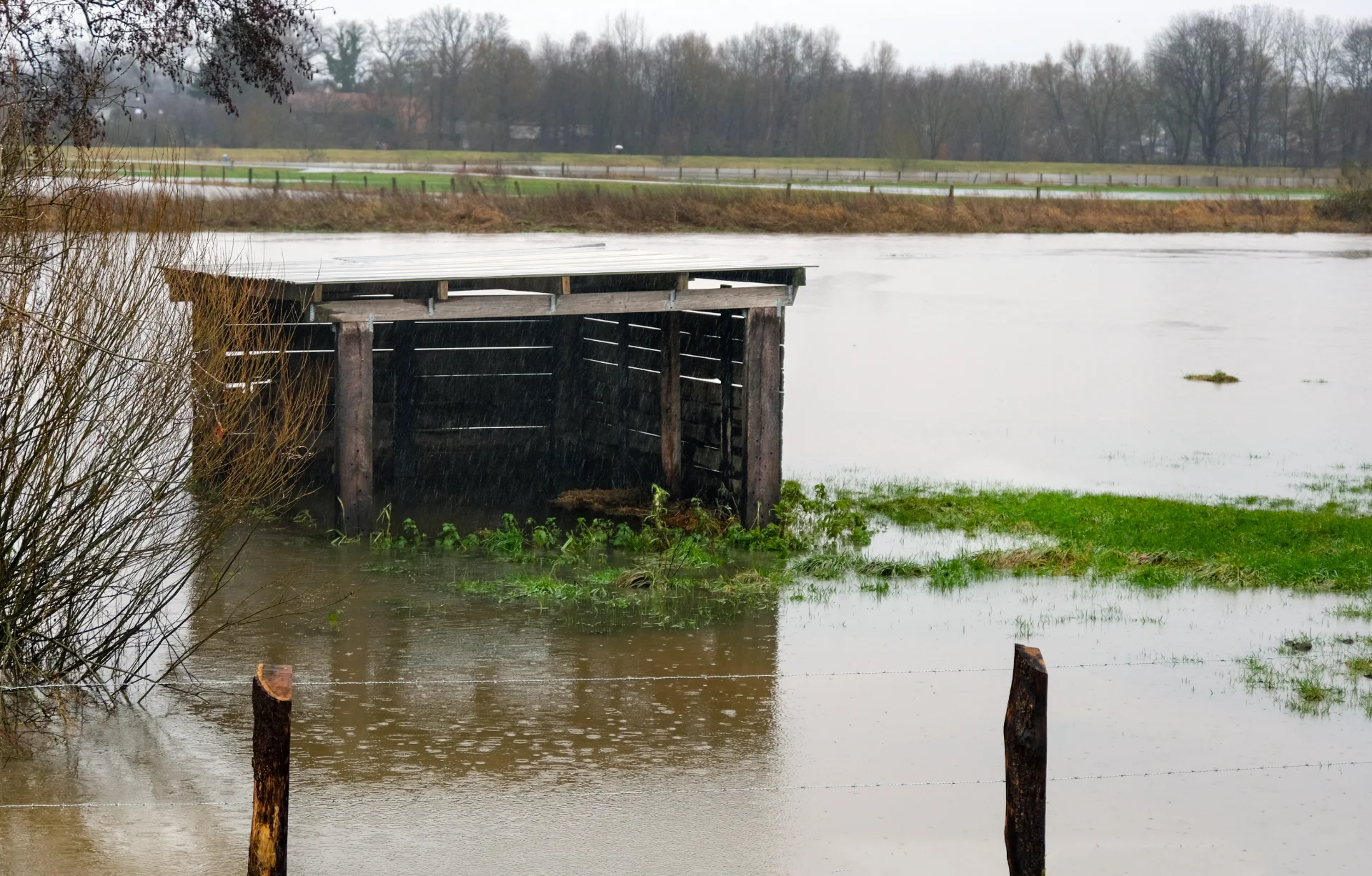
The frequency, ferocity and unpredictability of extreme weather events is a risk to the infrastructure of any business, depending on their specific location, the neighbouring trees and infrastructure, or the proximity to water courses. Damage to properties from storms and flooding is continuing to increase, with 1 in 3 business properties at risk of flooding according to an Aviva report. Read the Climate Change Committee’s assessment of the risks to business and industry here.
Operational disruption
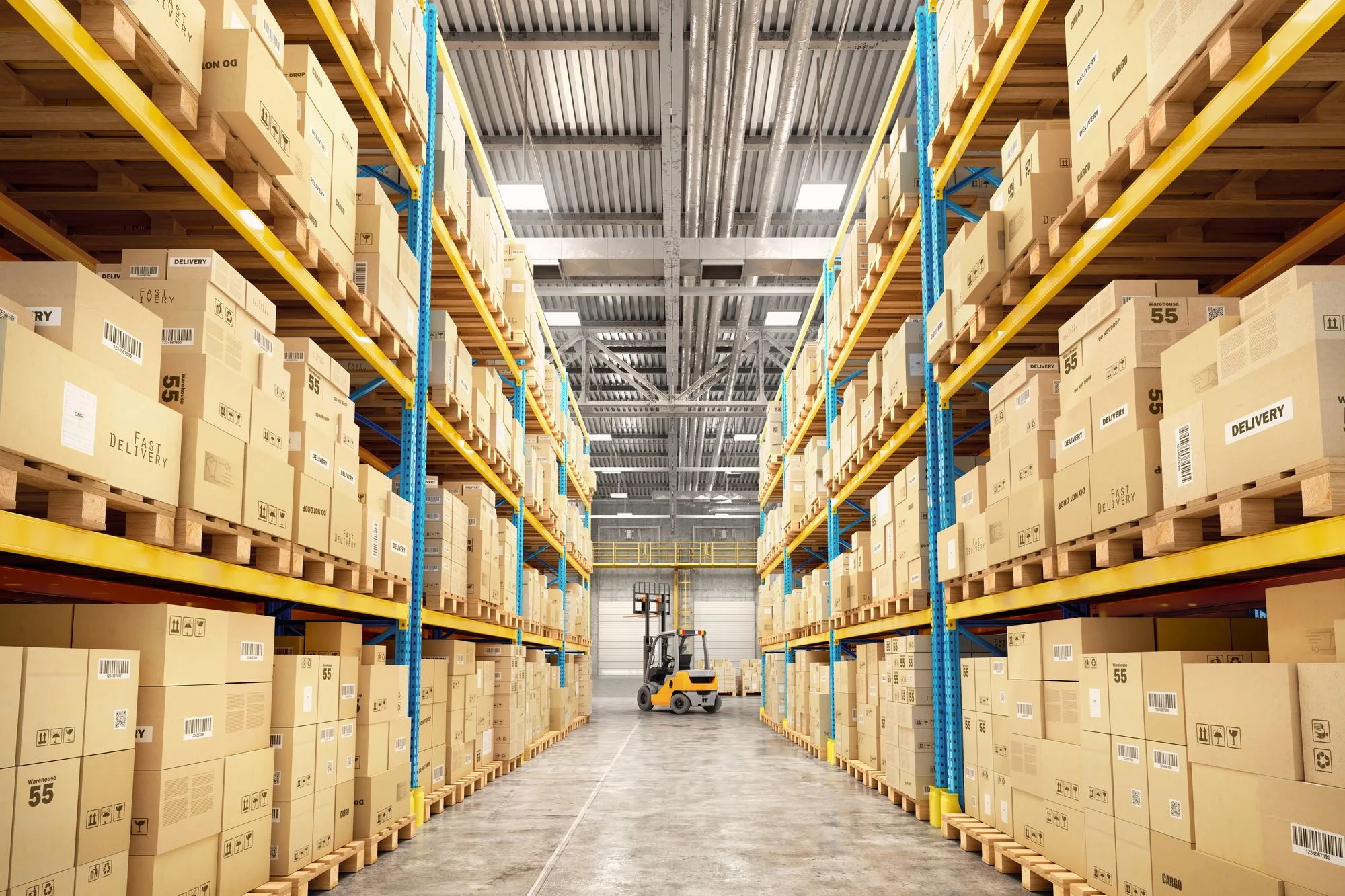
In addition to disruption posed by infrastructure damage, operations are at risk due to a range of challenges from the supply chain, logistics and raw material availability. Climate change is impacting different parts of the world in even more extreme ways, affecting the ability to grow, manufacture and transport goods. All of which impacts the day-to-day planning of operations, as well as financial forecasting.
Equally, resources like water need to be considered, with the UK water supply forecasting a substantial deficit in the decades to come. All businesses will be required to demonstrate both water resilience, and water responsibility over the next five to 10 years and those with a heavy reliance or use of water should consider pivoting to harvested and stored rainwater, along with water saving technology.
Supply chain disruption
Specifically, raw materials in different parts of the world are significantly impacted by the ability to grow crops, water availability for manufacturing and even energy security. All of which can lead to both availability challenges and rising costs.
Insurance challenges
As risks increase, depending on the nature of your business, the specific vulnerabilities of your supply chain and infrastructure, insurance becomes a challenge and a greater expense. More extreme weather has already led to higher claims and elevated premiums, so depending on your own circumstances or risk profile, this is a significant challenge for business now and in the near future.
Staff welfare
For businesses with staff working outside, welfare challenges are shifting in the changing climate. With new policies needing to be written, work shifts and patterns changed and PPE demands taking centre stage, extreme heat is a particular risk to the workforce moving forward.
Legislative changes
From reporting your greenhouse gas emissions, to packaging requirements, banned substances and plastic uses to greenwashing claims, the legal landscape is shifting rapidly both in the UK and worldwide. Therefore it is important for businesses to stay on top of changing legal frameworks and plan ahead to stay on the right side of sustainability law.
Where do I start?
Looking to make a change but don’t know where to start? Review our how to create a strategy page, or contact White Griffin for bespoke support.

Explore more articles

Plan, prioritise and track your organisation’s progress.

Avoid greenwashing, know the law and share your progress with confidence.