Improve recycling at events
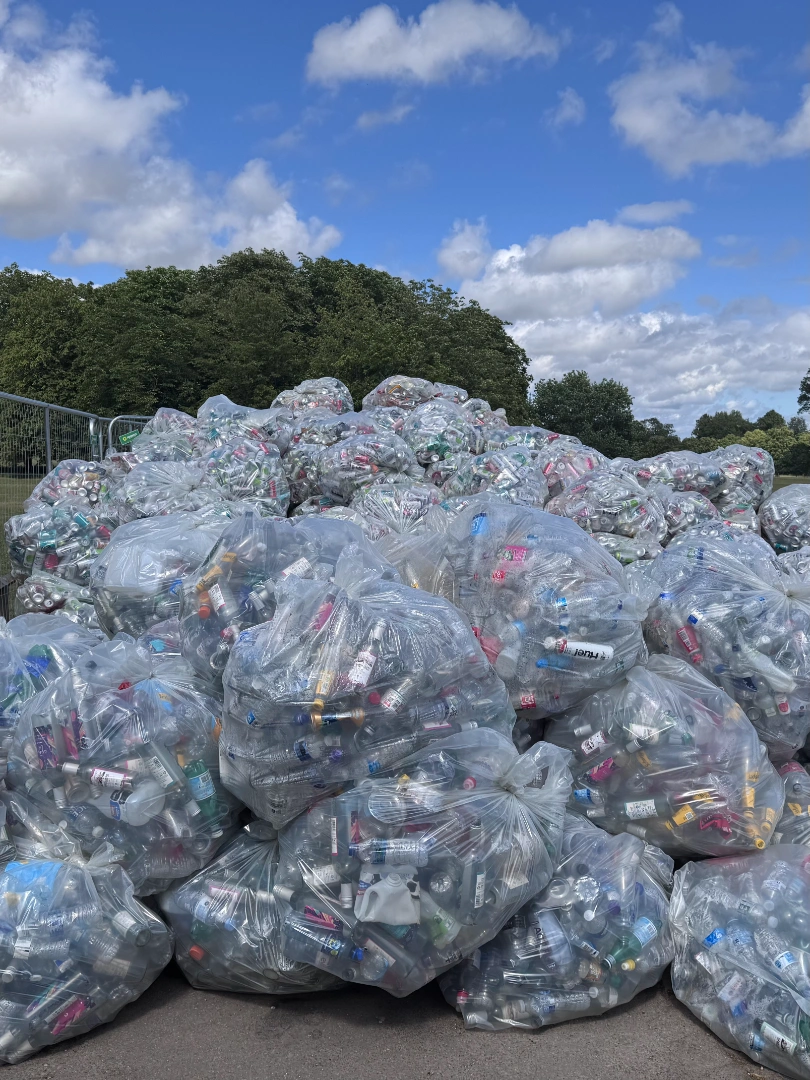
Waste generated at events is one of the biggest environmental concerns of those attending events, and also the most visible, with countless images in the press of racecourses littered with plastic cups, festival fields full of stranded tents and local neighbourhoods bearing the remnants from the night before.
Not only is it important for the environment to prioritise recycling, it is also important from a budget and PR standpoint. And the barriers so often cited are easier to overcome than in the past.
Myth busting
Segregated waste on events doesn’t work
For years it has been thought that bothering to segregate waste does not work, due to contamination from the public putting the wrong thing into the wrong bin. Whilst contamination is an issue, working with your waste contractor and catering vendors can fix the problem.
Solution:
- Reduce the number of different types of items available from concessions, so that there are only a few options for people to have to choose from e.g. aluminium cans, paper plates, reusable or paper cups.
- Ask your waste provider for colour-coded bins throughout the site and clearly state the specific items that go in the bin for example, state ‘cans’ not ‘recycling’.
- Utilise clear bags within the bins, so that contamination can easily be identified in the waste compound.
- Create a small sorting area in the waste compound for contaminants to be removed before going into skips, compressors or balers.
Proper waste management is expensive
Some waste contractors will offer a cheaper service to collect all of your event waste in one black bin, remove it from the site and ‘recycle’ it at the depot. The service will be presented as the cheapest option and will appear to be easier, as it is one bin, one skip, one extraction from site.
However, waste is a resource that we have not found a use for yet, and in some cases, it can have value. Events that have waste sorting on site can benefit from lower waste bills, as general waste is the most expensive form of waste management, and also make money from the sale of baled aluminium and some other material types.
Solution:
- Speak to a range of contractors about the cost benefit of sorting onsite and discuss the opportunities for revenue generation through waste sorting specific materials.
- Speak with other venues who have changed their waste management to understand how they have created revenue from their waste.
Waste companies don’t actually recycle waste
Many people doubt whether waste that has been sorted is actually recycled by their waste management companies. This is an understandable concern, particularly in light of the issues surrounding contamination. Equally, contractors that collect one bin and claim to recycle your waste, often provide recycling figures which relate to the ability to recycle waste across the whole facility, not your specific event recycling, so it is hard to decipher what is and isn’t being recycled from your event.
However, this is a symptom of poorly managed waste, not a specific issue with the waste contractors. With the right sorting and management, we can convert a significant proportion of our event waste into new resource, and prevent it from incineration or landfill.
Solution:
- Ask your waste contractor for a site tour of their facilities. It can be a brilliant insight into where your waste goes, and a reminder of the volumes of waste that are generated each day.
- Speak with your waste contractor about how you can help them with improving recycling, by mirroring their processes to guarantee properly separated recycling waste streams.
Waste is an unnecessary problem
With proper planning and collaboration with your contractors, excessive waste should be a thing of the past, and ‘waste management’ could become ‘resource management’ and revenue creation. Each year, events in the UK generate tens of thousands of tonnes of waste, with the average recycling rate for events estimated at just 20% to 30%, which means that more than two thirds of the waste generated is going to landfill or incineration, even though a significant proportion of the contents of event bins is recyclable, biodegradable or compostable due to packaging regulations.
These are our top tips for recycling more at events
Know your waste.
By understanding what you end up throwing away, you can change the waste at source and plan a recycling segregation scheme that makes sense for you. Conduct an audit of the waste generated in the waste compound and list out the main items you see and what their recycling potential is.
Consider every part of your event.
Build, event and break have very different waste streams, which may require a different approach. It is just as important to understand how to recycle waste wood, cardboard and carpet, as it is to devise a front of house bin scheme.
Keep waste sorting simple.
Ensure that your waste management around site is consistent with the same colour of bin, same labelling and where possible, same grouping of bins. Humans respond well to patterns to shift behaviour, so if they see a purple bin with a picture of a can on, they will quickly associate those patterns and behaviour changes.
Don’t forget that reducing comes before recycling.
It is better to avoid the waste in the first place, so ensure that you have engaged your stakeholders in reducing waste by minimising packaging, providing water refill stations and encouraging reusable cups.
Engage with your suppliers.
A large proportion of event waste comes from suppliers during the build and break of an event, so ensure that you are clear with them about your expectations and with suppliers who are responsible for larger waste streams, like carpet, don’t be afraid to ask them to find a solution for reuse or recycling, rather than allowing their product to enter your waste stream.
Explore more articles

Run your event plan through the sustainable event filter.

Swap diesel for solar, batteries, mains and electric alternatives.