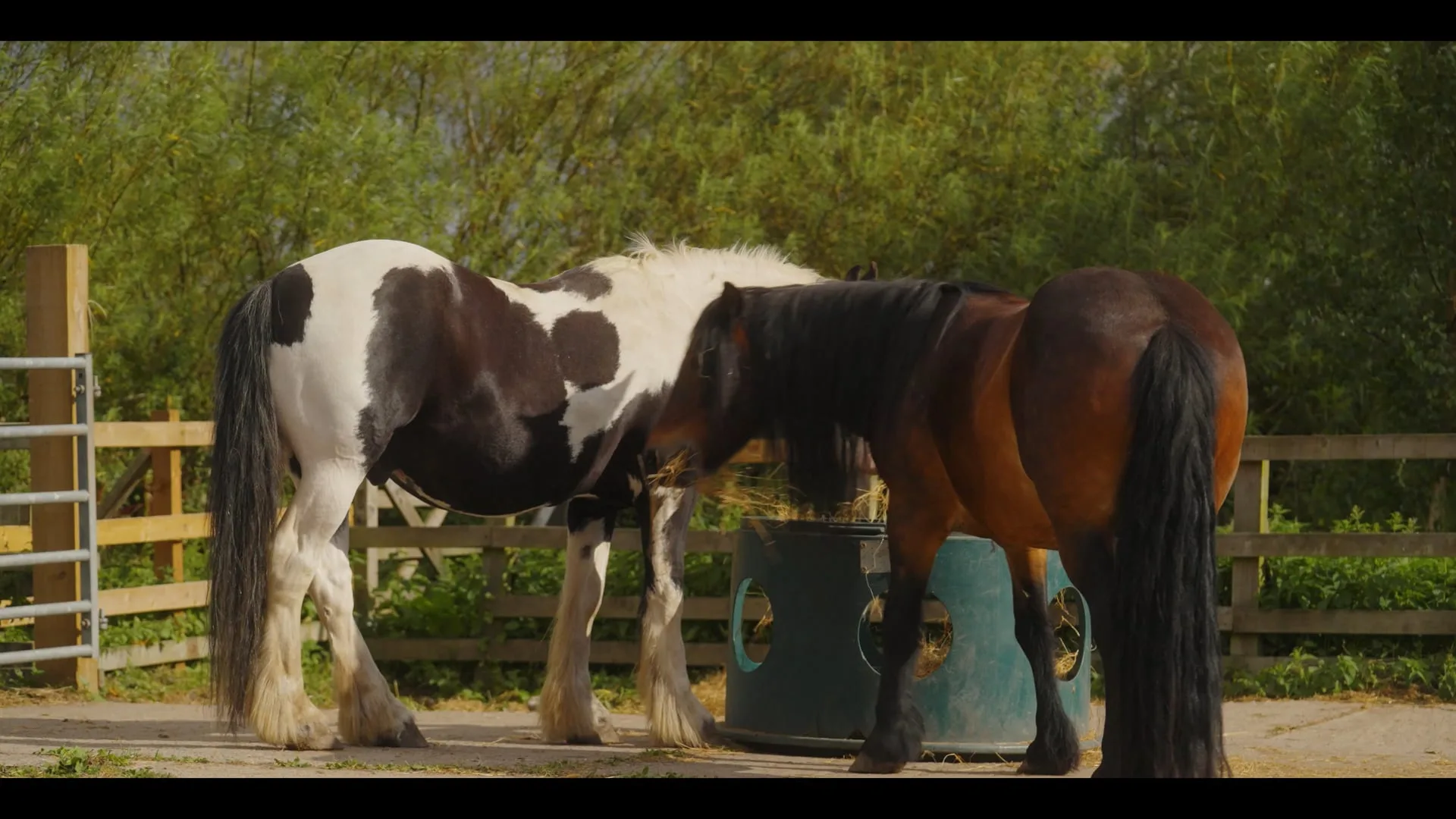
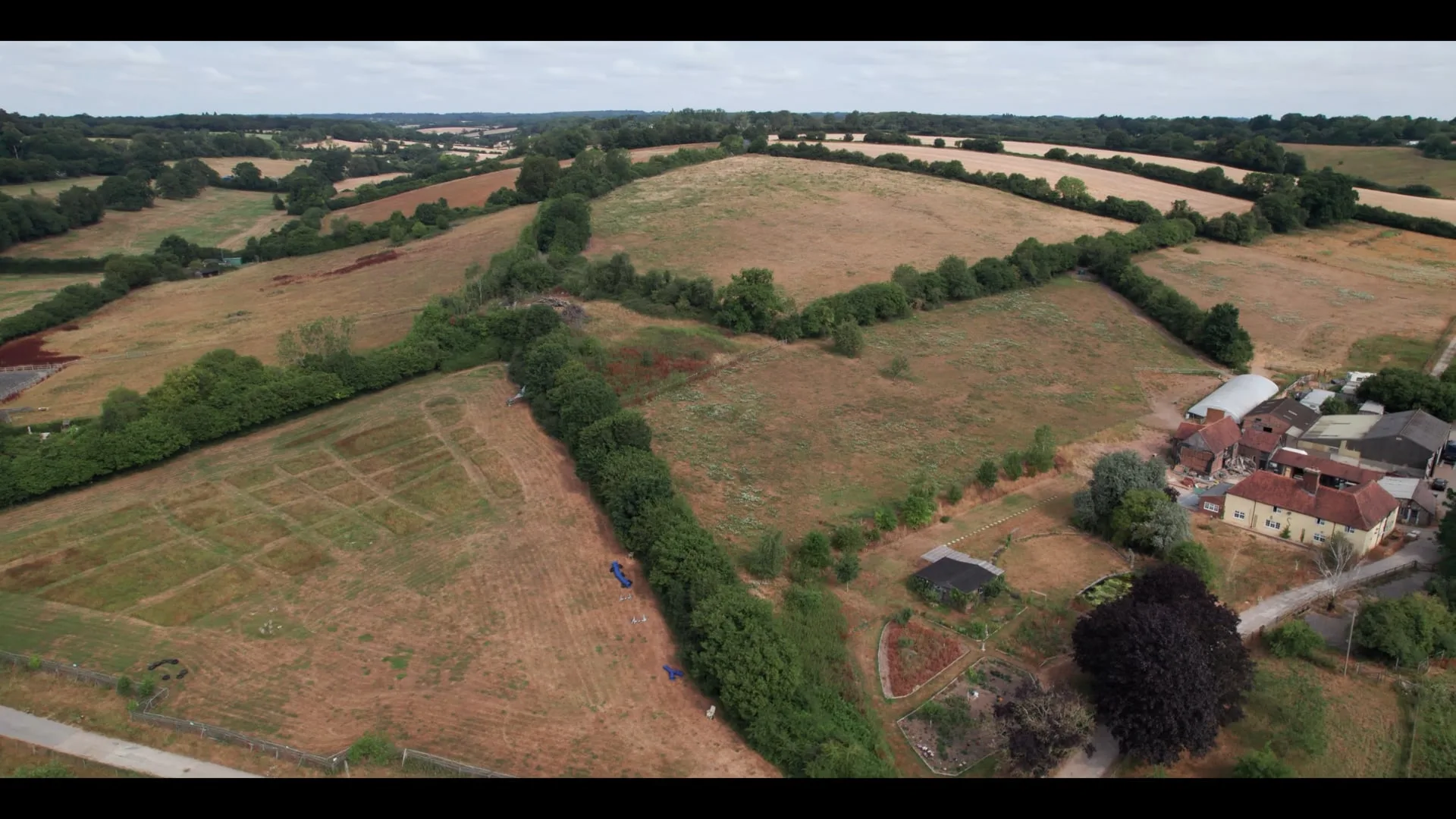
The people behind the sport
The equestrian industry is made up of hundreds of thousands of individuals, dedicating their time and passion to the sport, whether as a participant, coach, official, member of staff or even a parent supporting their child in their learning. Not everyone in equestrianism has a horse, or runs a business or event, but we can still have a positive impact on the environment.
We all matter
Sustainability starts with an understanding of what it means to be sustainable. We all want to give to the next generation and protect our industry, but it is often hard to understand how one person can make a difference. But it starts with an understanding that we all make a difference, collectively, every day.
We have reached the point of crisis, whether that be in nature, water, climate change or pollution, through billions of tiny actions and decisions daily. The route to a healthy and resilient future is billions of tiny actions done differently daily.
Perhaps the hardest part of sustainability is the fact that we don’t necessarily see the benefits of actions immediately. We have to trust that we are making good decisions as part of a bigger picture. But that also means that we can approach sustainability as individuals, in a way that prevents overwhelm.
Small, simple, often
Sustainability as individuals is about changing our habits, one tiny decision at a time. It is a long-term project and should feel like a natural part of our day-to-day lives. It begins with a mindset that considers, “what are the consequences of this small choice?” This consequence may be positive, like choosing to leave the leaves in the flower beds for creatures over the autumn and winter, or it may be negative, like choosing to purchase a plastic bottle of water, rather than refill a cup.
The habits are simple, daily choices that we have been making for decades. They don’t require deep scientific understanding. In many cases we simply need to apply a few simple rules of thumb:
Is my choice going to create waste or can I use something reusable instead?
Is my choice going to harm nature or help it?
Do I need to buy this new item, or could I repair, reuse or rent it instead?
Have I switched or turned it off to save water and electricity?
Have the conversation
One of the biggest challenges that has held sustainability back is the anxiety people have over talking about the topic. Whether through fear of not knowing all of the facts, or worrying about being mocked, criticised or judged, the topic of the environment has become taboo. It can be hard to know what to say, where to start or how to ask for help, but having the conversation is one of the best ways to help the environment.
Be curious
The environment is a vast and complex topic, even experts don’t know everything, so don’t be afraid to ask questions and learn together. Starting a conversation with “do you know anything about…?” can be a good place to start.
Make it funny
Whilst much of the topic is very serious, using humour to overcome the challenges can be a great way to talk about sustainability with friends.
Find the joy
Some of the smallest actions like picking litter, feeding the birds or planting trees, can spark great happiness. Try sharing stories of tiny wins that you have had.
Judgement free journey
Remember that everyone has habits they can change, and some they can’t. It is important to focus on learning together and talking about what can be done, not judging what can’t for that individual.
When the going gets tough
If someone does react negatively to the topic, find some common ground. Some people have ‘trigger’ topics, but most people can agree on the need to help the next generation, or build resilience in business, so lean in to conversations where you can share your perspectives.
Practical tips for individuals in equestrianism
For those looking for specific tips, tricks and guidance, here is our thehoofprint plan to become more sustainable in equestrianism.
Tap a habit to add it to your plan. We’ll remember your ticks on this device.
Learn from fellow equestrians
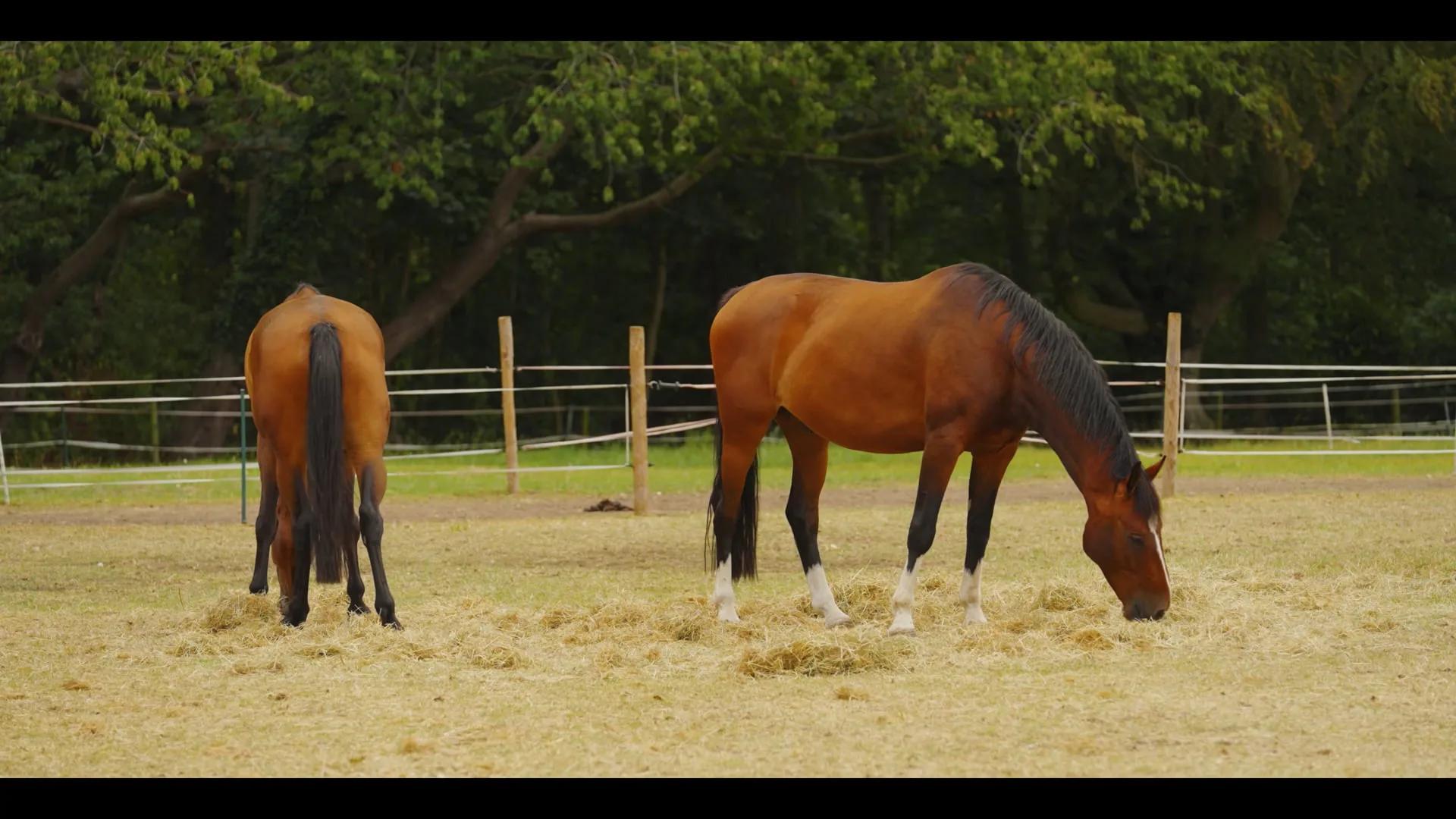
Visit Belle’s track system, with a special focus on water conservation and local sourcing.
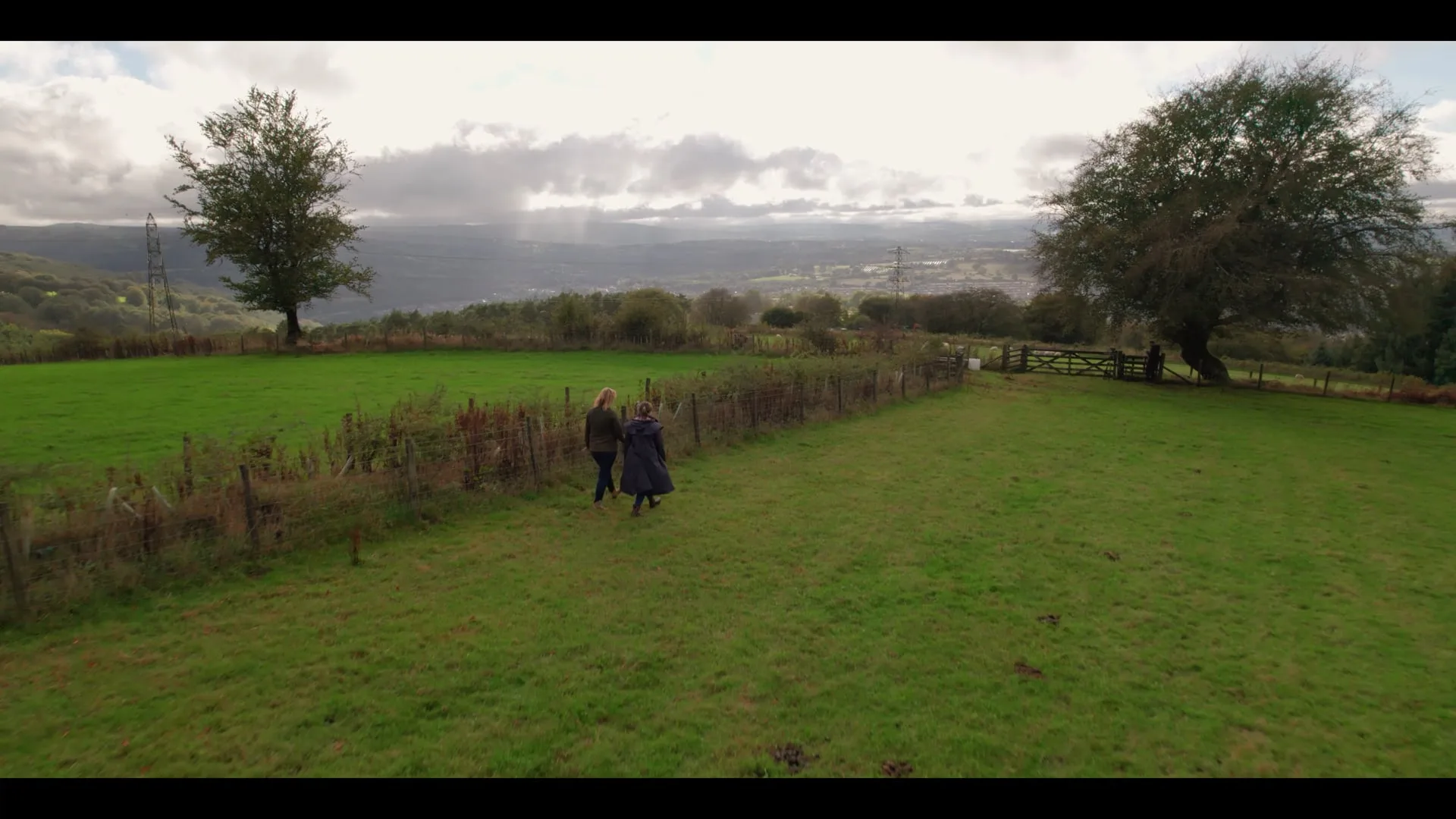
Watch horse owner Kayleigh embed repair and reuse into her Welsh equestrian home.