Sustainability explained

Do we have a resources and waste problem?

Not an infinite planet

It is hard to imagine running out of all of the things that we take for granted.

Metals, wood, fibres, fuel: these resources all exist in finite amounts if we don’t regenerate them or use them in a sustainable way.

At the moment we are using 1.7 times the amount of resources available to us. This means that by July each year, we are using up next year’s resources. Put more simply, we are currently using the resources that the next generation will need and we are not replenishing them.

Did you know?

Earth Overshoot Day happens every year and is the day on which we use up all of the resources available to us for that year and begin taking more than is sustainable.

In 2026, this happened on 30 July.

Our waste problem

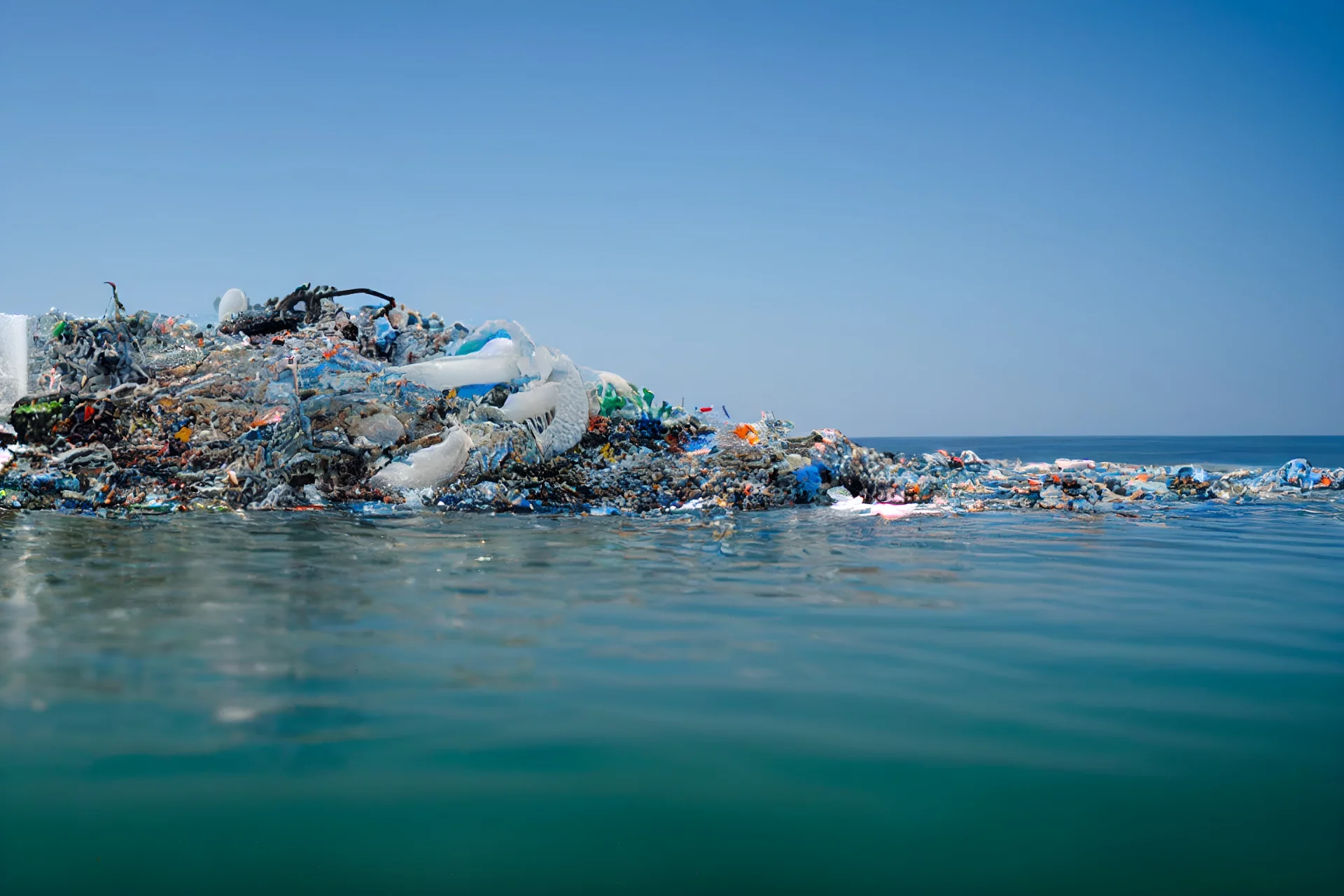
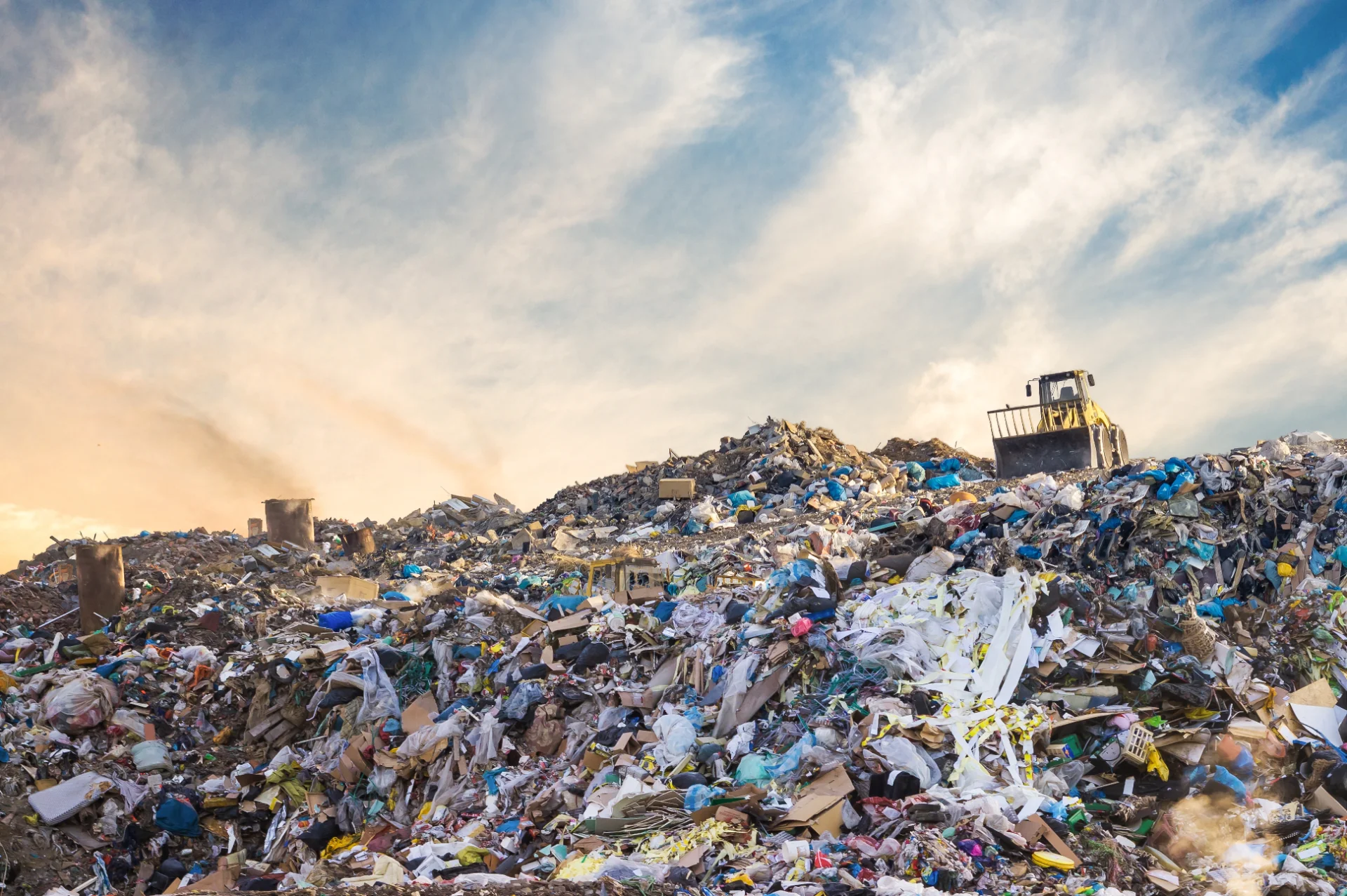
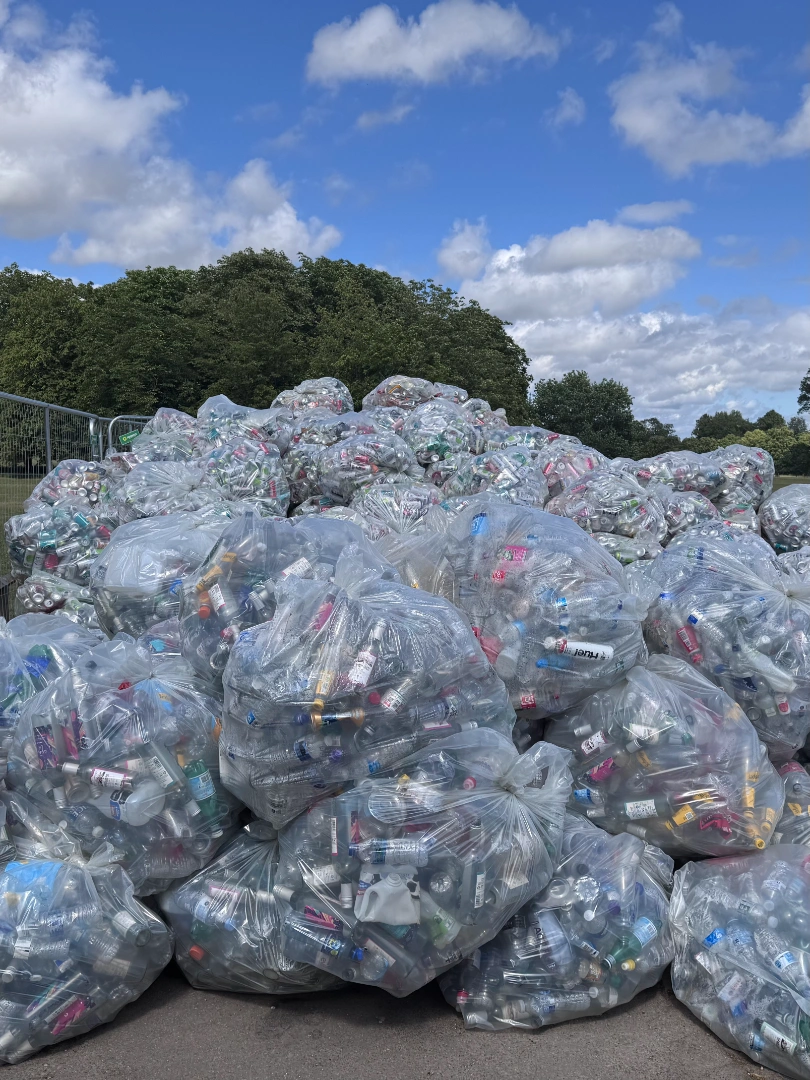
At the other end of the scale, having taken too many resources, we are generating unprecedented volumes of waste, and burying or burning the resources that are so sorely needed for the next generation.

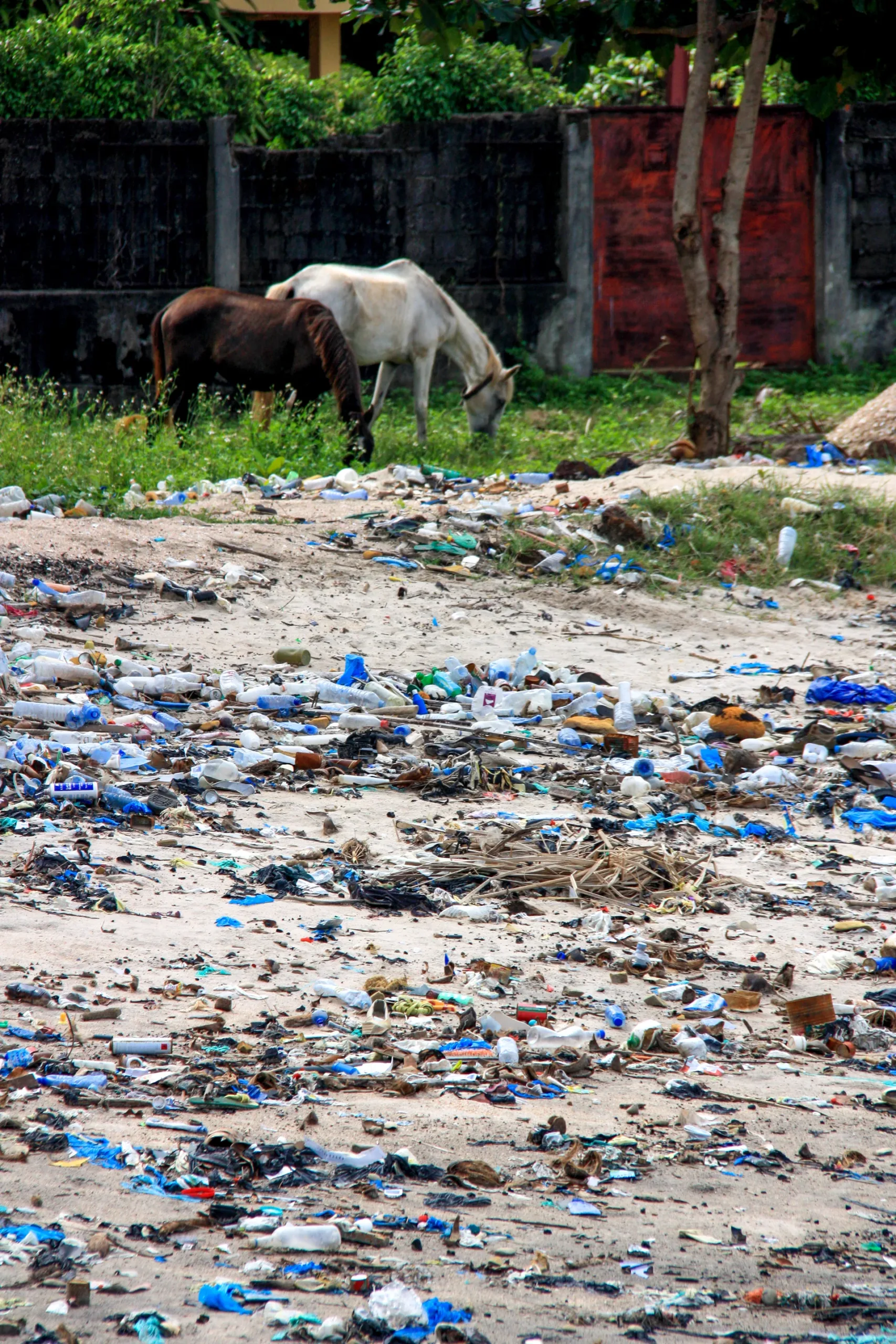
Worldwide, waste is a problem polluting our oceans, rivers and landscapes, with monstrous piles of waste destroying places across Asia, Africa and in almost every country worldwide. Waste is produced from everything we throw ‘away’, except that ‘away’ simply means that it exists somewhere else. Electrical items, clothing, plastic toys, furniture, vehicles, everything and anything that we send away now sits in the land, sea or rivers somewhere else in the world.

26.2m tonnes

Household waste in the UK

Produced in 2024, and less than half of it was recycled.

14m+ tonnes

Sent to landfill or incineration

Resources that could be used to make the ‘stuff’ that we need.

24,000

Large passenger planes

Imagine them side by side and stacked on top of each other, that is roughly the amount of ‘stuff’ wasted every year in the UK alone.

Did you know?

01

Kuwait

Kuwait has a patch of land which is home to more than 7 million rubber tyres.

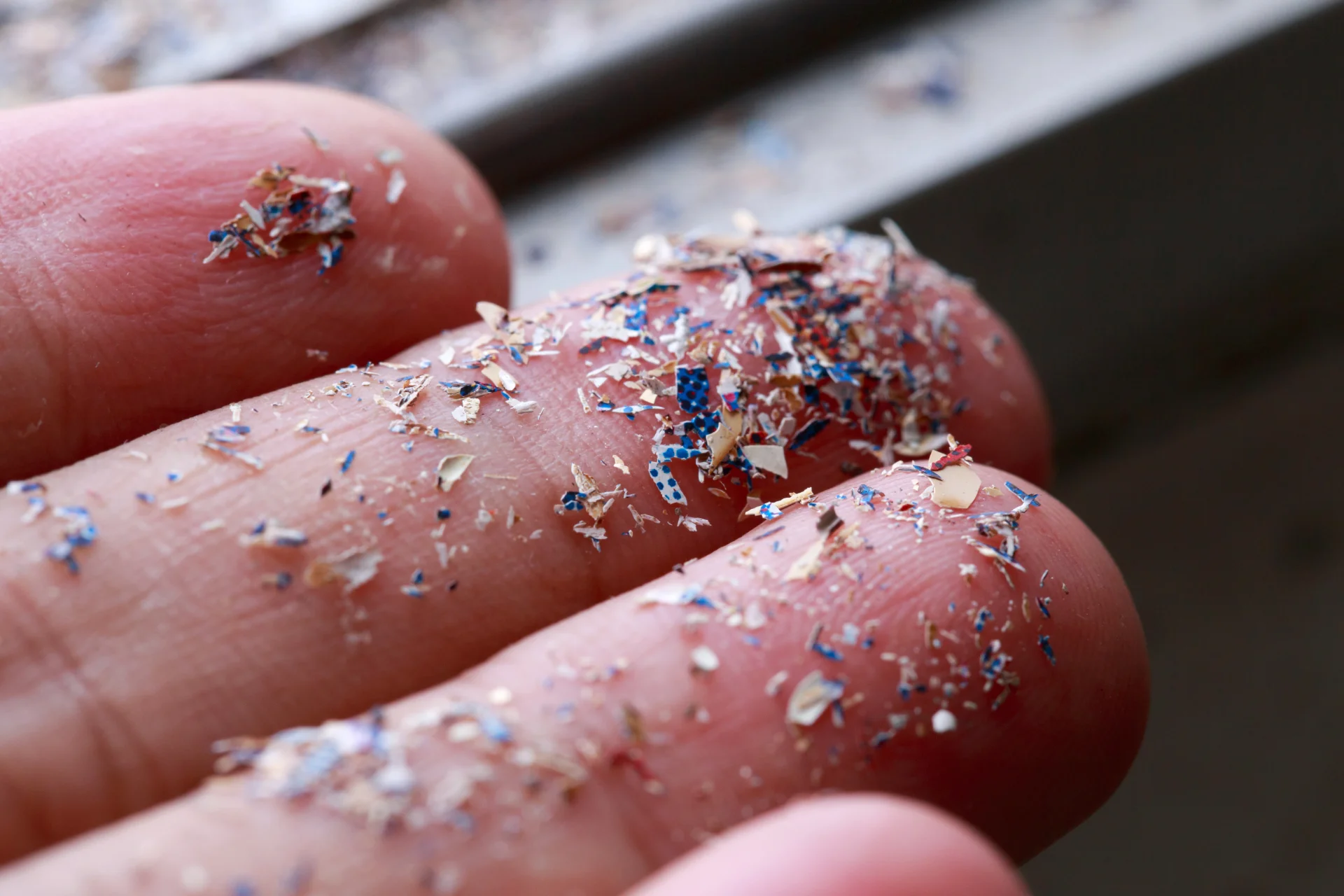
Roughly 27 million vehicles are retired globally each year, and whilst recycling rates are high, 25% of vehicle components are sent to landfill. A 2016 Pew Charitable Trusts study estimated that one million tonnes of tyre dust enter the ocean each year, about 9% of total oceanic plastic pollution.

02

Ghana

In Ghana, adults and children suffer the effects of one of the largest e-waste dumping sites.

E-waste is one of the fastest growing waste streams in the world, with approximately 350 million tonnes of e-waste currently sat in landfills worldwide, and 70% of the world’s toxic waste stream is derived from e-waste (source: Waste Electrical and Electronic Equipment (WEEE) statistics).

03

Chile

‘Clothing deserts’ are popping up in places like the Atacama Desert, as a result of a 60% rise in clothing purchases in recent years, which has led to around 3 in every 5 items of clothing being discarded within a year of purchase. That is a truckload of clothes burnt or buried every second.

How does this affect equestrians?

Resource availability affects equestrians in all sorts of ways.

Every time we make a brand new purchase, that item required raw materials which had to be grown, mined or manufactured from other raw materials. As the stocks of those materials deplete, priority is given to ‘vital’ items, or indeed the highest bidder, which means that the price of things goes up, and some items become harder to obtain.

Indirectly, equestrians are affected by the harmful effects of waste and pollution on the planet, from the emissions released by burying and burning waste, which cause climate change, through to the destruction of nature through damage to land and waterways, which affects soil health and the food chain.

Landfill and methane

Landfill contributes to methane emissions, and methane is a more powerful, and therefore more dangerous, greenhouse gas than carbon dioxide.

More than 10% of all methane emissions come from landfill alone.

Methane is also released in the storage of horse manure, along with nitrous oxide.
Keep reading

Explore more articles

Horse owners and yards

Simple swaps to cut single use plastic around the yard.

Horse owners and yards

Repair, reuse and give old kit a new job.

Venues and events

Practical steps to cut waste at shows, clinics and competitions.

Scroll to Top