How to install a track system
What is a track system?
So you have heard of track systems, but don’t know what they are for or how to install one. In this guide, we take you through the basics of track systems and how they can help enhance your horse’s welfare and protect the environment.
Traditionally, grazing horses is done by putting them in an open post-and-rail or hedgerow-lined paddock or field. This often results in them standing around for long periods of time in the areas where food, water, shelter or the gate is. As a result, the land in these areas tends to become poached and overcompacted, which is very bad for soil health and healthy grass growth.
A track system is a different principle entirely, with the creation of a fenced route around the perimeter of a paddock, or through a winding area, leaving the middle ungrazed.
What are the benefits?
Conventional paddock setups don’t necessarily encourage as much movement, as horses will linger in the areas where they expect something will be given to them, be it food, water, attention etc. A track system encourages more daily movement, which can support the horse’s weight and fitness, hooves, social behaviours, mental enrichment and more.
Nature benefits because grass is left to grow, and where this is a species-rich grassland, that means healthy and resilient soil, with a thriving ecosystem below ground and the opportunity for insects and pollinators above ground.
Horses are roaming animals that travel anywhere between 10 and 20 miles a day on average in the wild.
What are the different elements of a track system?
The purpose of a track system is to encourage natural behaviours in horses, whilst also protecting nature. A good track system should have:
A continuous loop layout
A width of 3 to 5 metres throughout, or at least twice the length of your largest horse from nose to tail
Multiple feeding stations and haynets placed away from the water
Strategically placed water
Varied terrain
Enrichment like scratching posts, salt blocks and logs to step over
Shelter and rest areas
Safe fencing throughout
Designing your track
Fencing and layout
Track systems can be set up using any type of horse-friendly fencing to create the perimeter. Sometimes track systems are set up in a figure of 8, or with a crossing route, depending on the shape and size of the land available.
Surfaces
The track could be directly on pasture, or have a surface put down in all or some areas (e.g. sand, rubber matting etc.) to provide a base. This might be particularly worthwhile in areas where lots of horses gather at once, e.g. around a shelter or water area.
Enrichment and feeding
Enrichment (e.g. salt licks, herb troughs etc.) and feeding spots should be set up at different intervals around the track, to encourage horses to walk from place to place and discourage them from standing around the same place, especially where they may be expecting food.
The fenced-off areas
These can be left unused, or enhanced with shrubs, trees or wildflowers, for nature to use. They could also be used to support rotational grazing practices by allowing horses to graze them for a short period of time, before being moved off to another paddock or back onto the track.
How to get started
A track system can be put in place in a range of locations to suit your horse’s needs. Here are some tips for getting started in planning your track system.
Learn about your land
What soil type do you have? Consider the challenges and risks you currently face (see our paddock management checklist) and how you think you can manage these best.
For example, a field on clay soil is more prone to flooding, mud and waterlogging, so laying a surface down in all or part of the track is likely to alleviate this risk.
Map out your budget, space and timeframe
Map out your budget, available space and timeframe for installing the track system to create a reasonable approach to transitioning your field.
Decide on your features
Consider what features you want to provide, based on your horse’s needs. You must ensure that all basic needs are met within the track system environment, which include access to shelter/shade, water and food as well as the opportunity to socialise with other horses safely.
Choose how to manage the middle
Decide what management approach is best for the inside of your track space. Will this be used for rotational grazing, left for nature, or enhanced to create resilience for your wider environment? For example, it could be managed to reduce flood risk in other fields or in your yard by improving soil health, sward coverage, drainage and diversion towards watercourses.
Check with your vet first
Always consult your vet or equine nutritionist when making changes to your horse’s grazing and feeding habits. Longer grass growth can pose a risk to horses and ponies with Equine Metabolic Syndrome (EMS) or those prone to laminitis, and this should be managed accordingly, with the advice of professionals.
There is a wealth of resources available, as well as dedicated magazines for track systems and online communities. Reach out to horse owners in your area who have a track system in place, or follow other track system owners online for more guidance on establishing your own track system.
A basic track system
Explore more articles
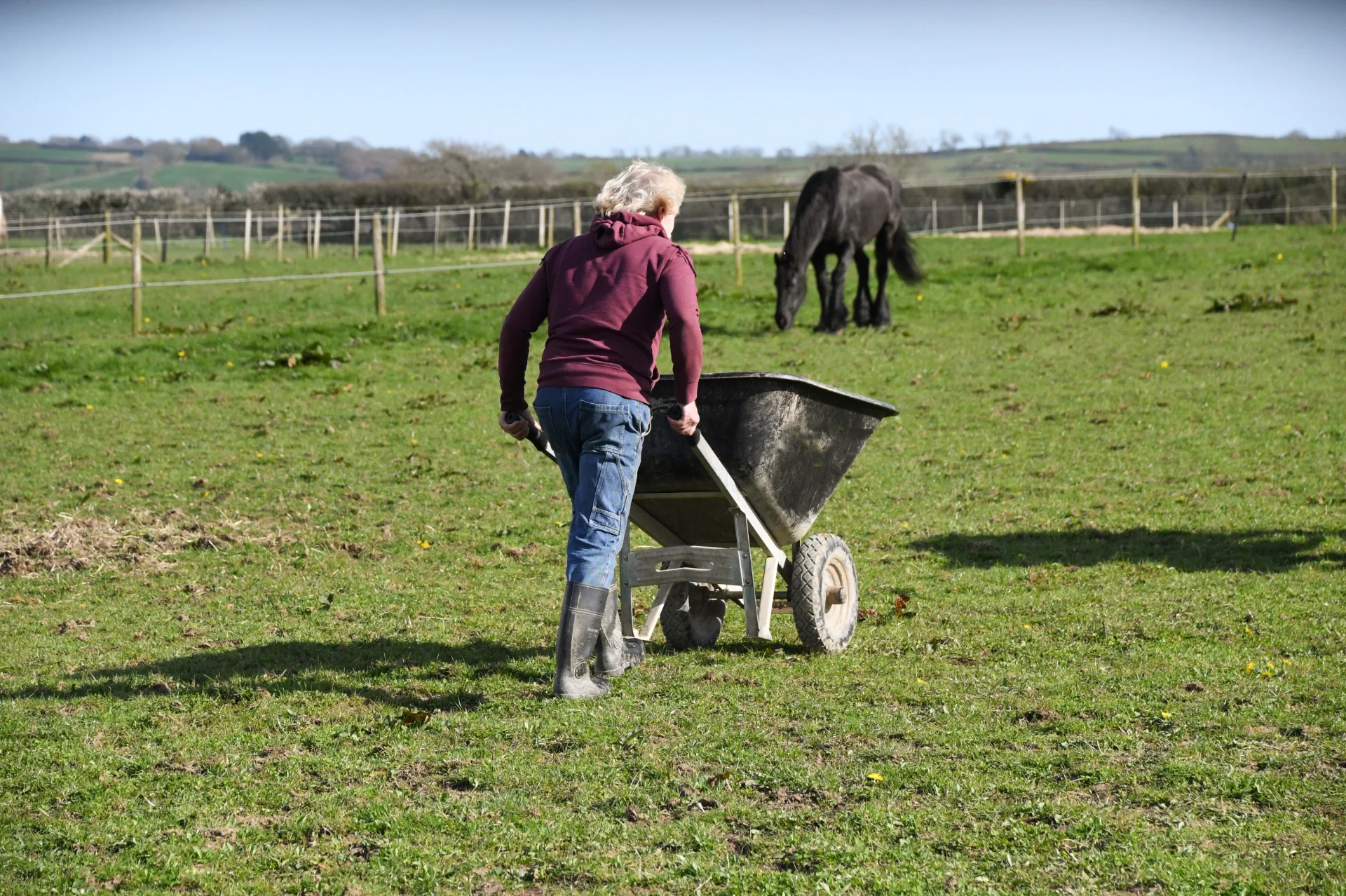
Let your paddocks rest while your horses roam.
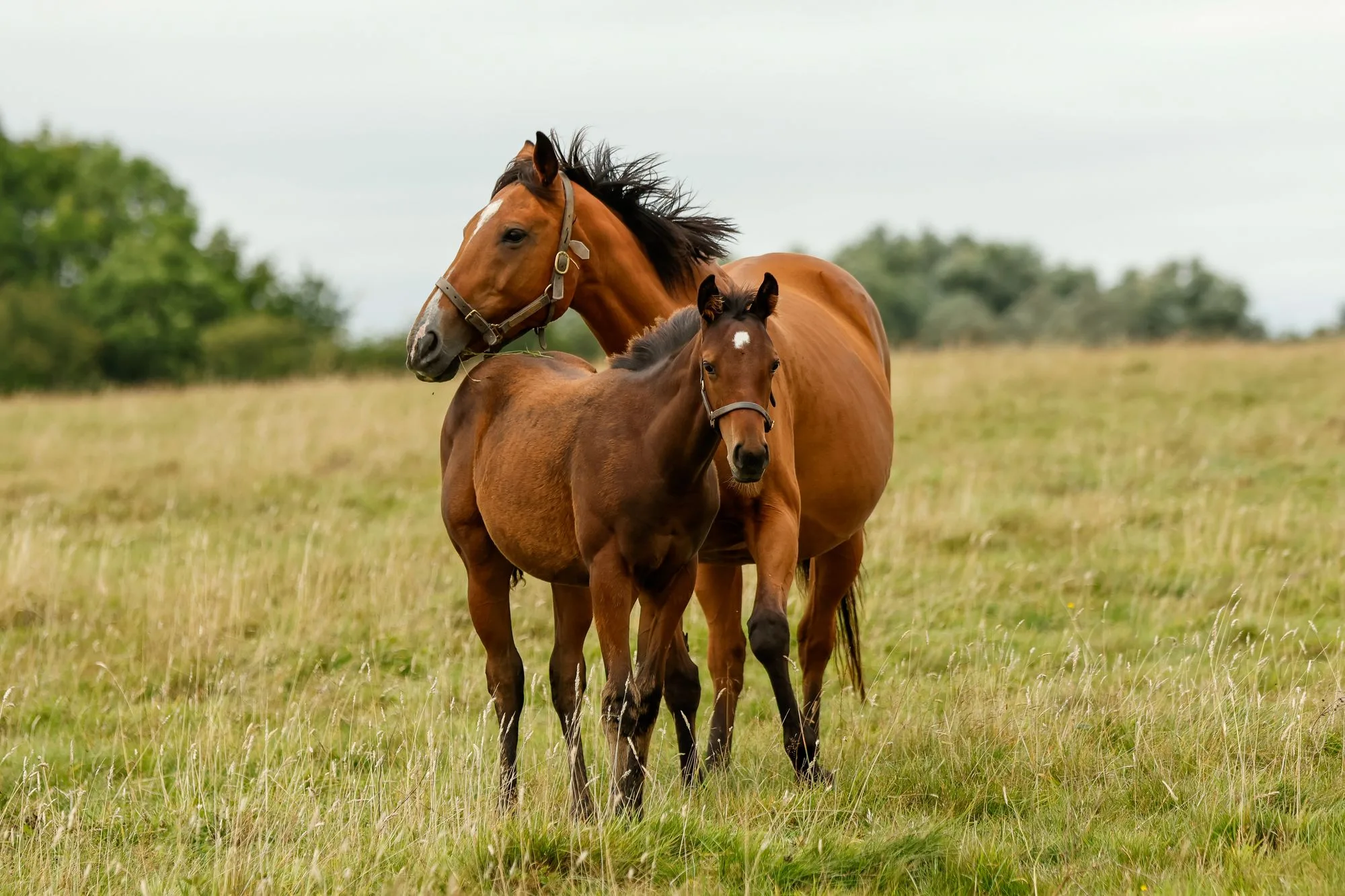
Healthy paddocks for healthy horses, wildlife and soil.