How to install solar and battery storage
The problem: rising energy costs
The cost of electricity is an increasing challenge for individuals and business owners.
In efforts to reduce our use of fossil fuels, we are using more electricity in our cars, equipment and gadgetry, yet electricity is growing increasingly expensive. Using less electricity and finding cheaper, more renewable alternatives is an important part of becoming more sustainable and resilient, as well as reducing our carbon footprint.
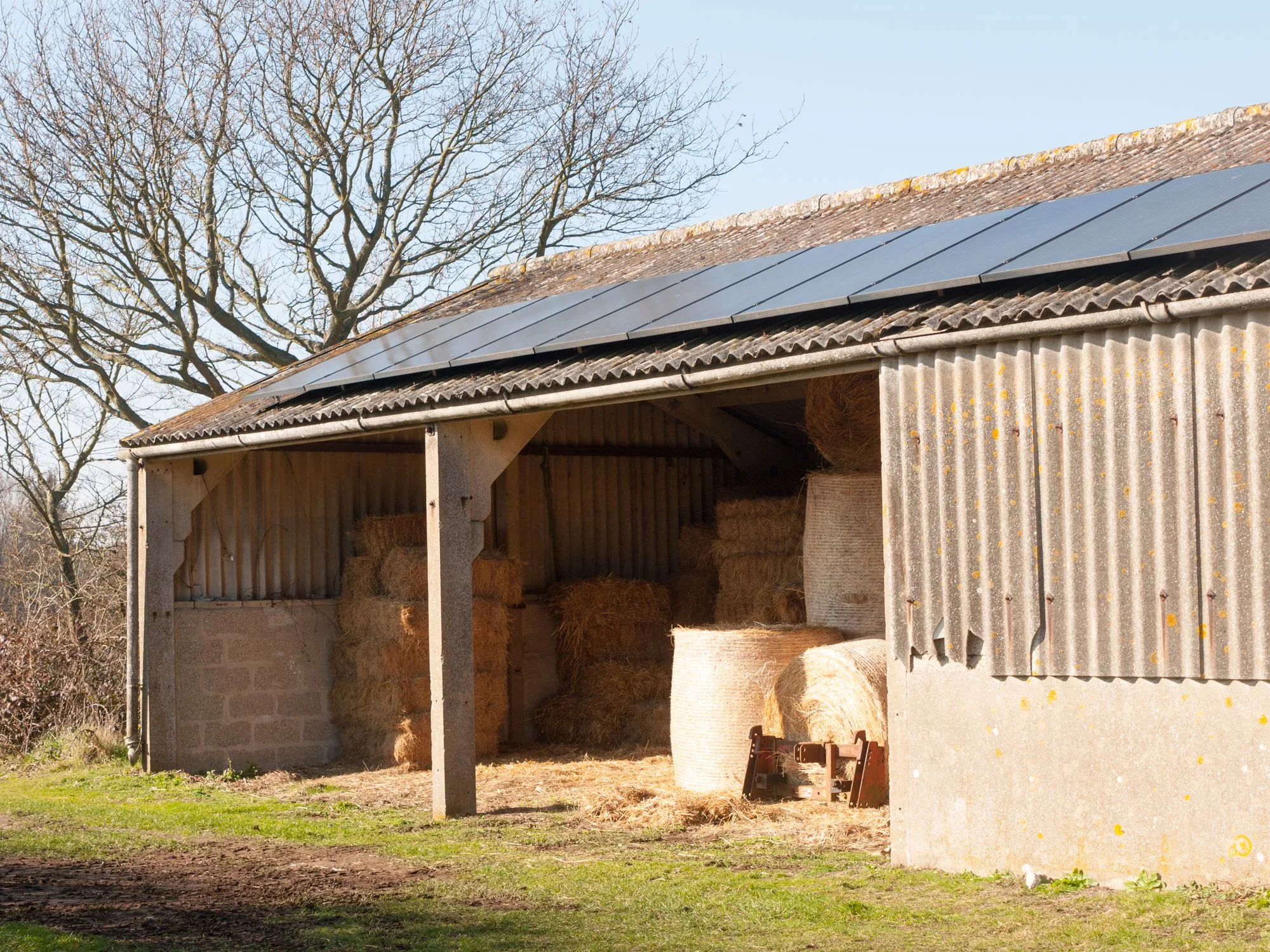
The solution: our stable roofs!
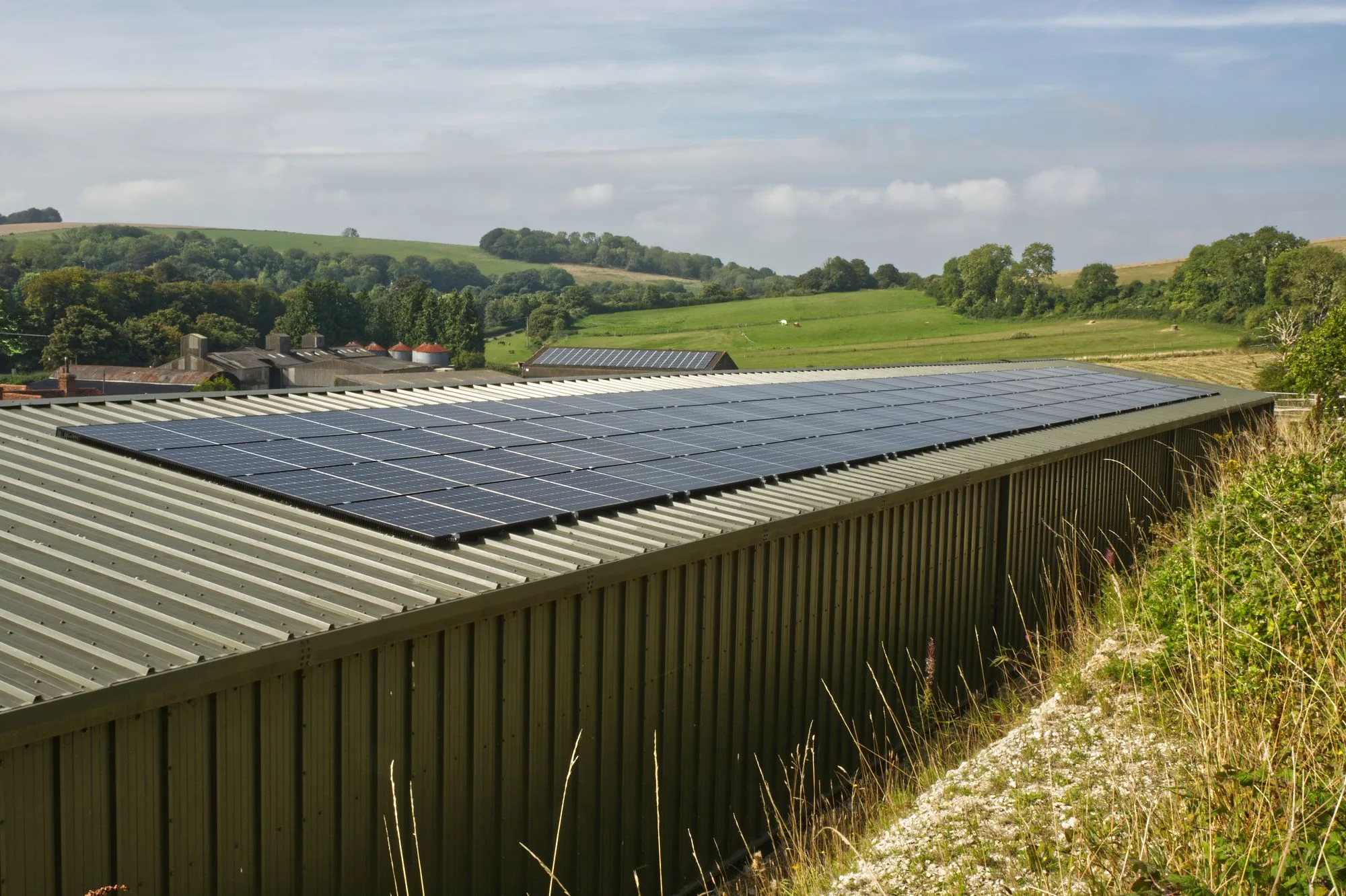
Equestrian yards are in a beneficial position to adopt renewable electricity, as stable roofs, arena roofs, and other buildings across the yard can be utilised for solar photovoltaic (PV) panels.
We can use our existing infrastructure to generate cheap electricity all year round.
Solar panels can be combined with a battery, which saves excess electricity generated by your panels during the day, so you can use it at night or during peak pricing hours, or for energy-intensive activities. With battery storage now readily available, it is possible to run a house, yard or business entirely on solar, and even feed energy back into the grid to make additional money.
Many horse yards follow a long, flat demand curve that runs from before dawn to late evening, which is exactly the shape solar serves best. This means you will actually be consuming what you generate rather than exporting it.
How do I start?
What do you need to consider to have an efficient solar installation?
Understand your demand
Understand what uses the most electricity on your site, and at what times of day. This will help identify your demand and the appropriate size of panels required. It will also help identify high-energy demand activities and determine if you need a solar battery. It is also important to remember that generation of electricity from the panels will be less efficient in the winter.
Understand the site and space available
Solar panels can either be roof-mounted or ground-mounted if there is sufficient outdoor space. Consider the size of roof space available across all of your buildings and note this down.
Assess the orientation
A south-facing orientation will get the maximum hours of sunlight as the sun moves throughout the day.
Check for shade
Check whether buildings or trees could shade the panels, again to maximise the amount of daylight they receive.
Consider the roof pitch
Roof pitch significantly affects solar PV panel generation by influencing the angle of sunlight exposure. Optimal generation occurs when panels are angled perpendicular to sunlight, typically between 30 and 40° in most regions.
Going small? Try plug-in solar
For small volumes of electricity: did you know that since 27 August 2026, the law in the UK has changed to allow DIY solar panels to be installed? These can be bought from well-known hardware brands and installed at home using simple plug-in kits.
Visit this checklist on the Energy Saving Trust website to see if your property and usage are suitable for DIY solar panel installation.
How many panels will fit?
Measure your usable roof area
Measure the length and slope-height of your roof section in metres and multiply them together.
Example: 10m × 5m = 50m²
Allow for safety margins and obstructions
Deduct 10% to 20% (or leave a 30cm safety margin from roof edges and gutters per UK regulations) to account for chimneys, skylights, vents and edge clearances.
Example: 50m² × 0.8 = 40m² of usable space
Divide by standard panel size
A standard domestic solar panel is roughly 1.72m × 1.13m (about 1.95m², or around 1.7m² for slightly smaller models).
Example: 40m² ÷ 1.95m² ≈ 20 panels
Calculate peak power output
Multiply your total panel count by the individual panel wattage (typically 380W to 420W per panel for modern modules).
Or use the Energy Saving Trust’s solar energy calculator.
There are tools available to support calculations for how much potential energy you can generate using different-sized arrays and how much you could save on your energy bills, as well as how long it takes to pay back your upfront costs of installation: try the Renewable Energy Hub solar panel calculator.
Things to consider
Permission
Many solar panel installations fall under ‘permitted development’ rights and therefore do not require planning permission. However, listed buildings, conservation areas and areas of outstanding natural beauty may require further planning permission considerations. In addition, ground-mounted panels must meet certain conditions for permitted development and commercial applications may require full planning permission.
Finance and funding
The solar energy market is constantly improving, and there are always updates to technologies, financial incentives and tariffs, so do consider staying up to date with the latest trends.
Exports
The Smart Export Guarantee (SEG) is a UK scheme that requires electricity suppliers to offer payments to small-scale low-carbon generators for the electricity they export to the National Grid. Any excess energy generated by your panels, and not used on site, can be exported and you can gain a payment for doing so.
Who to call to install my solar?
There are a huge number of UK companies that work on a local or national basis to install solar in your home or at your yard. You can find a local solar installer at solarenergy.co.uk.
The government provides funding under the Warm Homes Local Grant scheme in England, for low-income households with an EPC rating of D to G.
There is also the potential to save 20% through the 0% VAT rate on solar panels and batteries for homeowners in the UK, which runs until 31 March 2027.
Explore more articles

Where to start switching your energy, heating and transport.

Collect, store and use the rain that falls on your yard.
What to measure, how to log it and the tools to use.