How to manage manure
It’s just a big poo problem
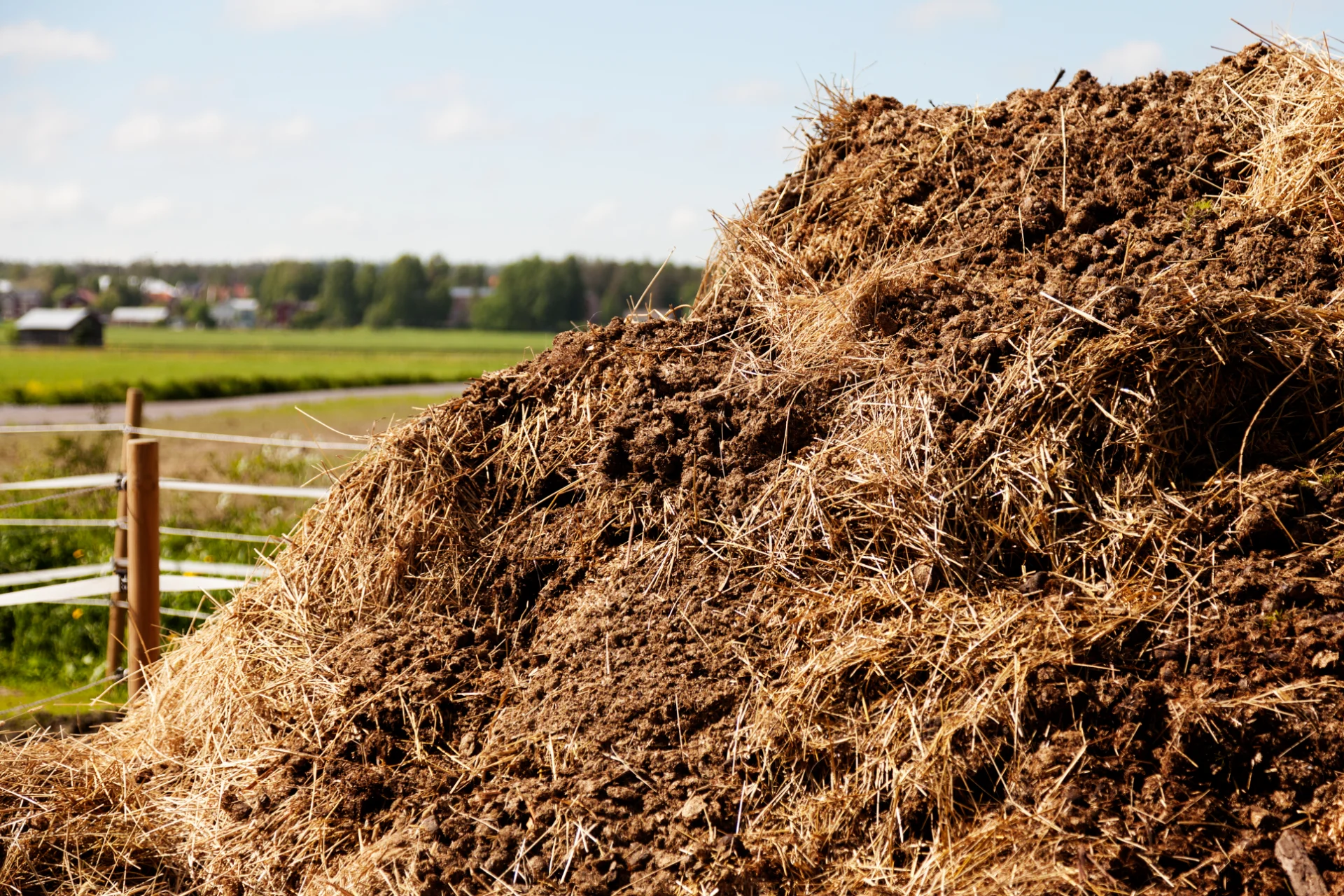
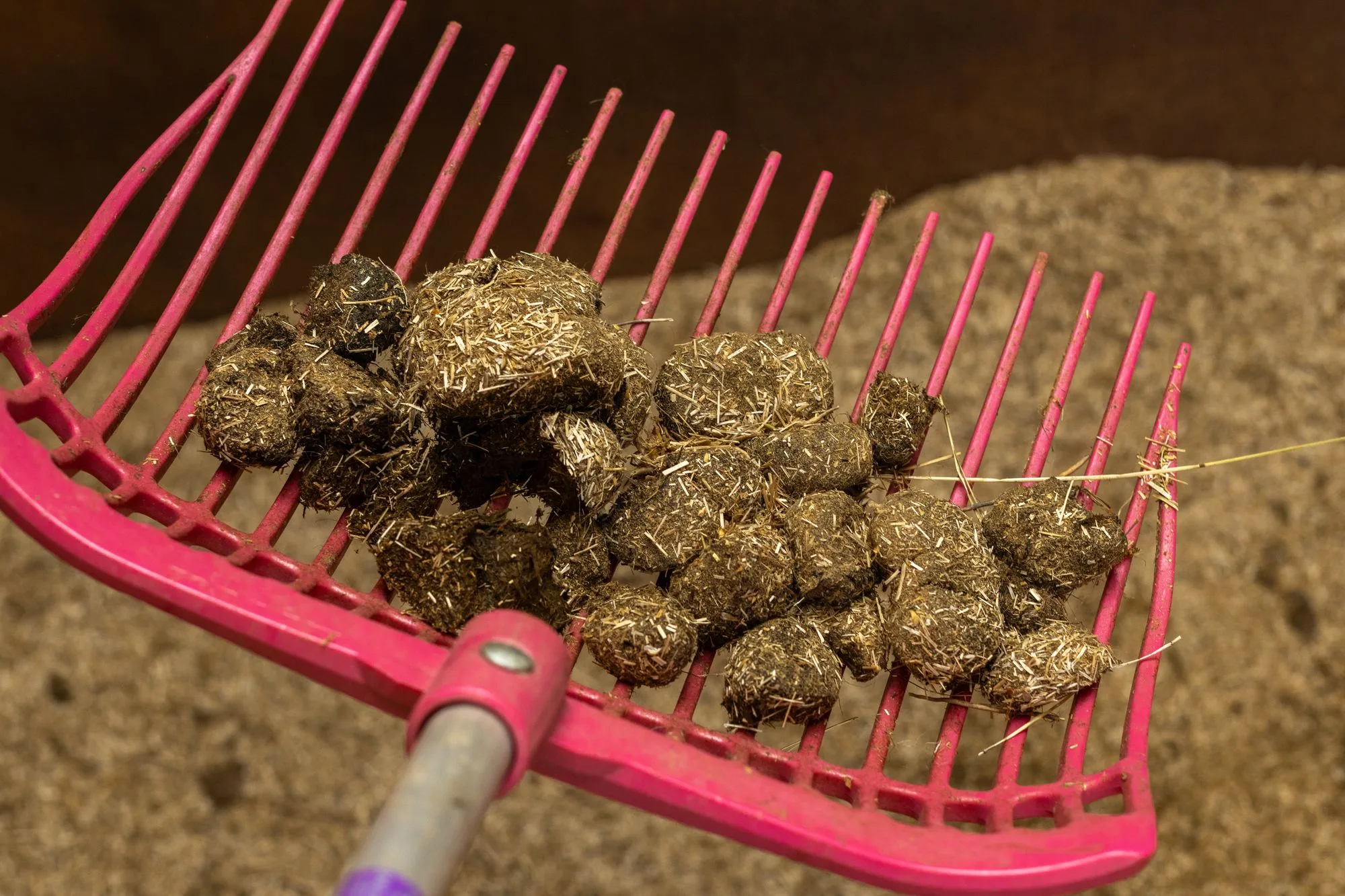
Correct manure management is a required part of horse ownership, with the average horse producing around 23kg of manure every day.
That adds up quickly, and equates to a substantial waste stream to deal with, making it the biggest waste management challenge on any yard.
If poorly managed, the greatest risk to the environment from horse poo is excess nutrients contaminating waterways and groundwater. Horse poo is very high in nutrients like nitrogen and phosphorus, which is why it is a popular fertiliser option! However, poor storage (e.g. in leaching muck heaps), incorrect spreading or bad/no management in fields can cause nutrient runoff.
Muck heaps, particularly those with lots of stable waste, also store and give off high concentrations of ammonia. Runoff of these nutrients into waterways can cause water toxicity and algal blooms, depleting the water of oxygen and killing off living things.
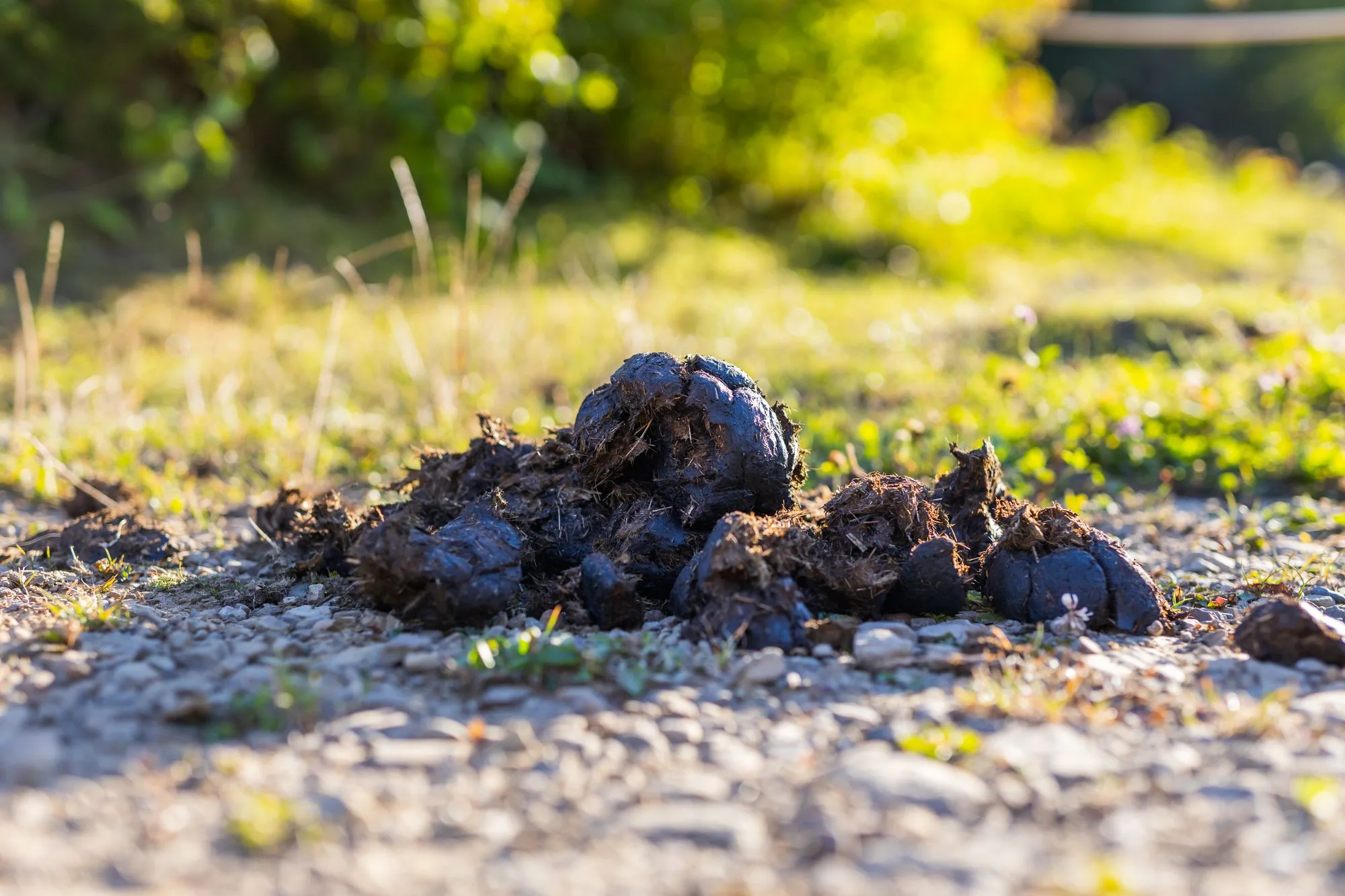
That’s an algal bloom. It happens when too much nitrate enters the water, creating perfect conditions for algae to thrive. That coating blocks out the sunlight and oxygen and causes the life in the water underneath to die.
What poorly managed manure can do
Affects soil health
Affects watercourse health
Contaminates environments with medications
Contributes to emissions
Through the release of carbon dioxide, methane and nitrous oxide.
Causes foul smells
Impacts animal health
The health of horses and other animals, both wild and domestic/agricultural, is affected by all of the above and by increased parasite, fly and other pest populations. This can also create a cyclic problem by increasing the frequency of worming drug use.
Legislation on manure management
The UK Government views horse poo as ‘waste’ unless it is used as a soil fertiliser, spread on agricultural land, or stored for this purpose.
There are also legal requirements for managing manure in areas designated as Nitrate Vulnerable Zones, which cover 55% of land in the UK, and guidance on avoiding water pollution from waste management.
The UK Government guidance states that you must not place a muck heap within 10 metres of a watercourse, or within 50 metres of a well, spring or borehole.
Muck management approaches for consideration
Composting
Controlled breakdown into compost. It can reduce smell, methane emissions and pest problems, significantly reduce volume, and convert a ‘waste’ stream into a useful product.
Spreading back on the land
Using the manure to organically fertilise the land, giving back via a nutrient cycle.
Sending off-site
This could be for off-site composting or anaerobic digestion. This can be costly and is treated as waste removal (N.B. it could be subject to permits or monitoring for some businesses), but the manure is used to create a source of renewable energy or fertiliser products.
Make poo bricks out of it!
These can be used as a source of renewable biofuel on site!
Offer it locally
Find out if any local gardeners, farmers etc. would like to take the manure away for their own fertiliser use.
Considerations on bedding
Different types of horse bedding will impact how the manure on your muck heap will break down and how it can be used.
Straw
This is best for composting, will break down quickly and is very widely taken and used by farmers and gardeners.
Paper and cardboard
Can compost relatively well alongside the horse poo, but can slow down and compact when wet. Careful management does allow for it to be spread on land when fully composted but will typically be slower to get to this point than straw.
Wood shavings and wood chip
Takes significantly longer to compost and decompose, due to the high carbon content from the wood. Wood-based bedding products can also ‘lock up’ nitrogen temporarily, reducing its availability to plants if spread, due to the microorganisms that decompose wood needing the nitrogen from both the manure and surrounding soil.
Tips for how to manage manure
Choose the right method for you
Consider the best method of muck management for you, based on your surrounding environment, yard and field setup and personal yard management circumstances and capabilities.
Mind the distances
Ensure your muck heap is at least 10m away from a watercourse and 50m away from a well, spring or borehole.
Hold back after medication
Don’t turn out horses that have recently been medicated, or given worming drugs.
Site your muck heap well
Keep muck heaps away from horse areas and fields, but close to where large vehicles can collect it for removal or spreading.
See manure as a resource
Treat it in a way that means the nutrients can responsibly be given back to the land and soils, rather than continuously taking them away (through grazing, poo picking and manure ‘removal’, which breaks the cycle of nutrient replacement).
Explore more articles
Healthy paddocks for healthy horses, wildlife and soil.
Simple swaps to cut single use plastic around the yard.
What to measure, how to log it and the tools to use.