How to remove fossil fuels
Why it matters
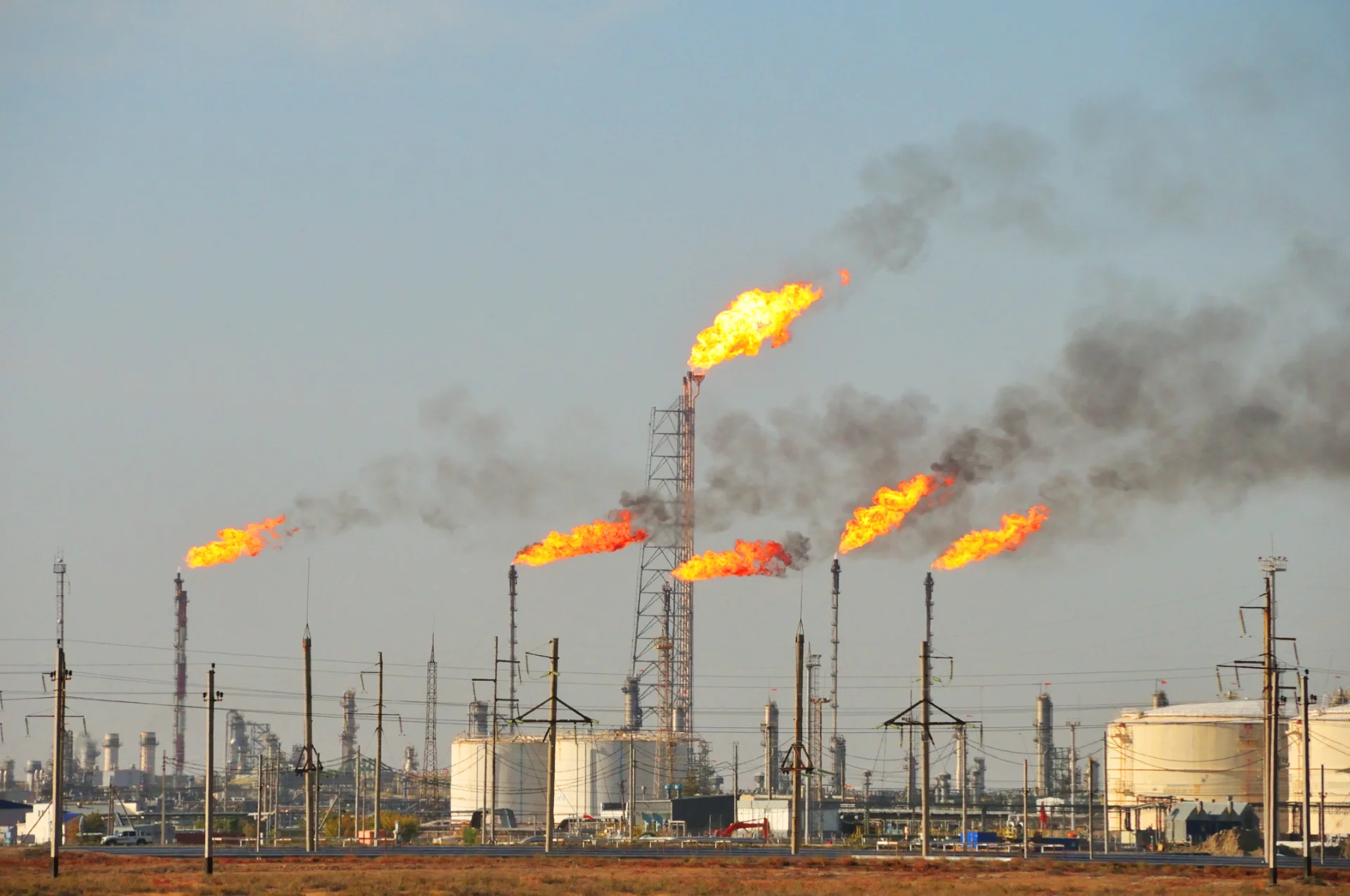
Climate change is having an extreme impact on our weather and seasons, which in turn changes our daily lives, including the way we keep and manage our horses.
We know that climate change is driven significantly by our use of fossil fuels. Fossil fuels are deeply embedded in the ways we manage our yards, our homes, our businesses and our transport, and a lot of research and innovation is going on at the big-picture scale to transition to a zero-carbon world. But collective action makes a big difference too, and there are lots of everyday choices we can make to reduce, or even eliminate, our fossil fuel use.
Coal, oil and gas are all fossil fuels. We burn them to power many of our homes, vehicles and businesses.
Not only do fossil fuels cause climate change, they also affect the air we breathe and our health. Moving away from fossil fuels benefits the health of our horses and ourselves.
How are fossil fuels used?
The most common emissions sources at equestrian properties, event venues and businesses include:
At equestrian properties
- Electricity to power lighting for stables, indoor and outdoor arenas, yard areas, homes and grooms’ living spaces, wash bay solariums, horse walkers etc.
- Heating of homes and grooms’ living spaces, tack rooms, wash bays, hot water etc.
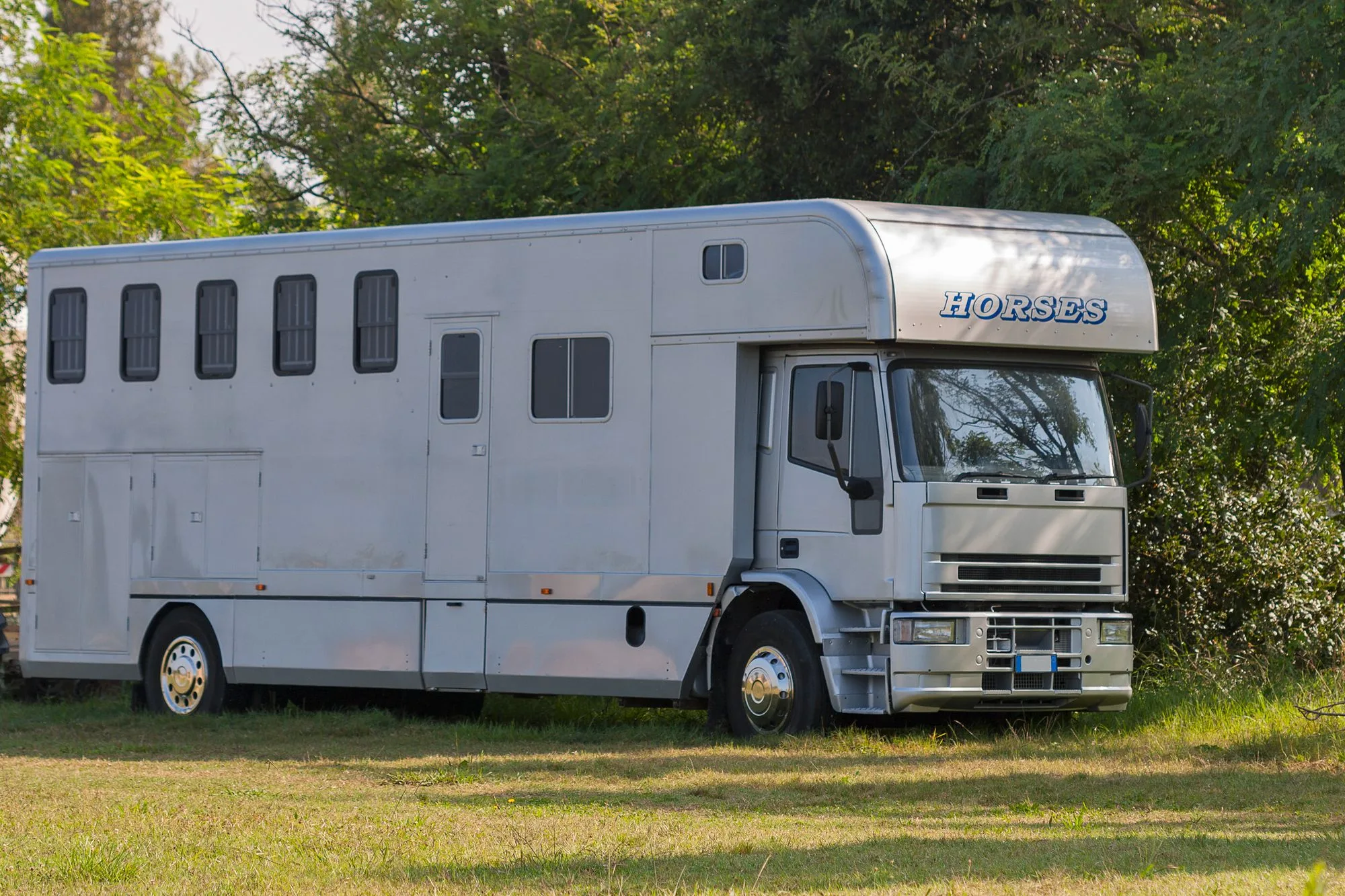
- Transporting horses in diesel horseboxes, or trailers towed by petrol, diesel, and hybrid vehicles, and the same for people!
- Fuel use in land management vehicles such as tractors, and gators and buggies used for moving hay, feed etc. around.
- Fuels used in other equipment such as backup generators, leaf blowers etc.
At equestrian event venues
- Electricity to power lighting for all areas of equestrian centres i.e. indoor and outdoor arenas, permanent and temporary stables, yard and wash bay areas, offices, viewing areas, walkways, cafes etc.
- Heating of equestrian centres’ offices, viewing areas, cafes, welfare areas, tentage, hot water etc. with gas, oil, coal etc.
- Fuel use in land management vehicles such as tractors, and gators and buggies used for harrowing arenas and fields, moving jumps, dressage arena boards, fencing etc.
- Fuels used in other equipment such as backup generators, leaf blowers, kitchen equipment (kettles, ovens etc. where catering is offered).
Outside your control, but tied to the nature of events, are the emissions from riders transporting horses in diesel horseboxes, or trailers towed by petrol, diesel and hybrid vehicles, and the same for people!
By equestrian businesses
- Electricity to power lighting for all facilities such as offices, manufacturing sites, employees working from home, storage facilities etc.
- Heating of facilities such as offices, manufacturing sites, employees working from home, storage facilities etc. with gas, oil, coal etc.
- Fuel use in on-site vehicles and machinery such as tractors, gators and buggies, cherry pickers, manufacturing equipment etc.
- Fuels used in other equipment on site, such as backup generators, leaf blowers, kitchen equipment (kettles, ovens etc.), printers etc.
- Your team travels to clients, events, networking opportunities etc. by road, air, sea, and rail.
- If you produce a physical product: shipping of your orders, by road, air, sea, rail etc.
So, where do I start?
The good news is that, thanks to decades of innovation and, in some cases, a return to traditional practices, there are lots of ways we can remove fossil fuels from our homes, yards and businesses.
Electricity
Switch your electricity from fossil fuels to renewables like solar and wind. You can install them at your property, or ask your energy supplier to switch you to a 100% renewable tariff.
Heating
Switch from oil, gas and coal to air source or ground source heat pumps, or other electric heating.
Transport
Switch from diesel or petrol to electric vehicles.
Machinery and equipment
Switch from diesel to electric gators, strimmers, ride-on mowers and more.
Can’t switch entirely? Reduce what you use
Reducing your fossil fuel use benefits the environment and saves you money. Try these tips:
Electricity
- Switch off lights and equipment when they’re not in use
- Switch to LED lights
- Put signs up reminding people to turn off lights and switches
- Choose energy-saving equipment
- Only boil the water you need
Heating
- Check your insulation and seal up any draughts during the colder months
- Set your thermostat below 20°C
- Keep internal doors closed
- Keep one small room warmer for drying clothes, rugs etc.
Transport
- Use public transport where you can
- Car share where public transport isn’t possible
- Combine multiple activities in one journey
- Share horse transport with friends and fellow competitors
- Keep your boot empty! Extra weight burns more fuel.
Machinery and equipment
- Maintain your equipment well to keep it running efficiently
- Mow less often (nature prefers it too!)

A journey made by train is 82% lower in greenhouse gas emissions than driving alone in an average diesel car, per km travelled.
Source: Defra GHG conversion factors 2026
Explore more articles
The basics, and why it matters for horses and the people who care for them.
Simple swaps for a healthier yard, horse and environment.
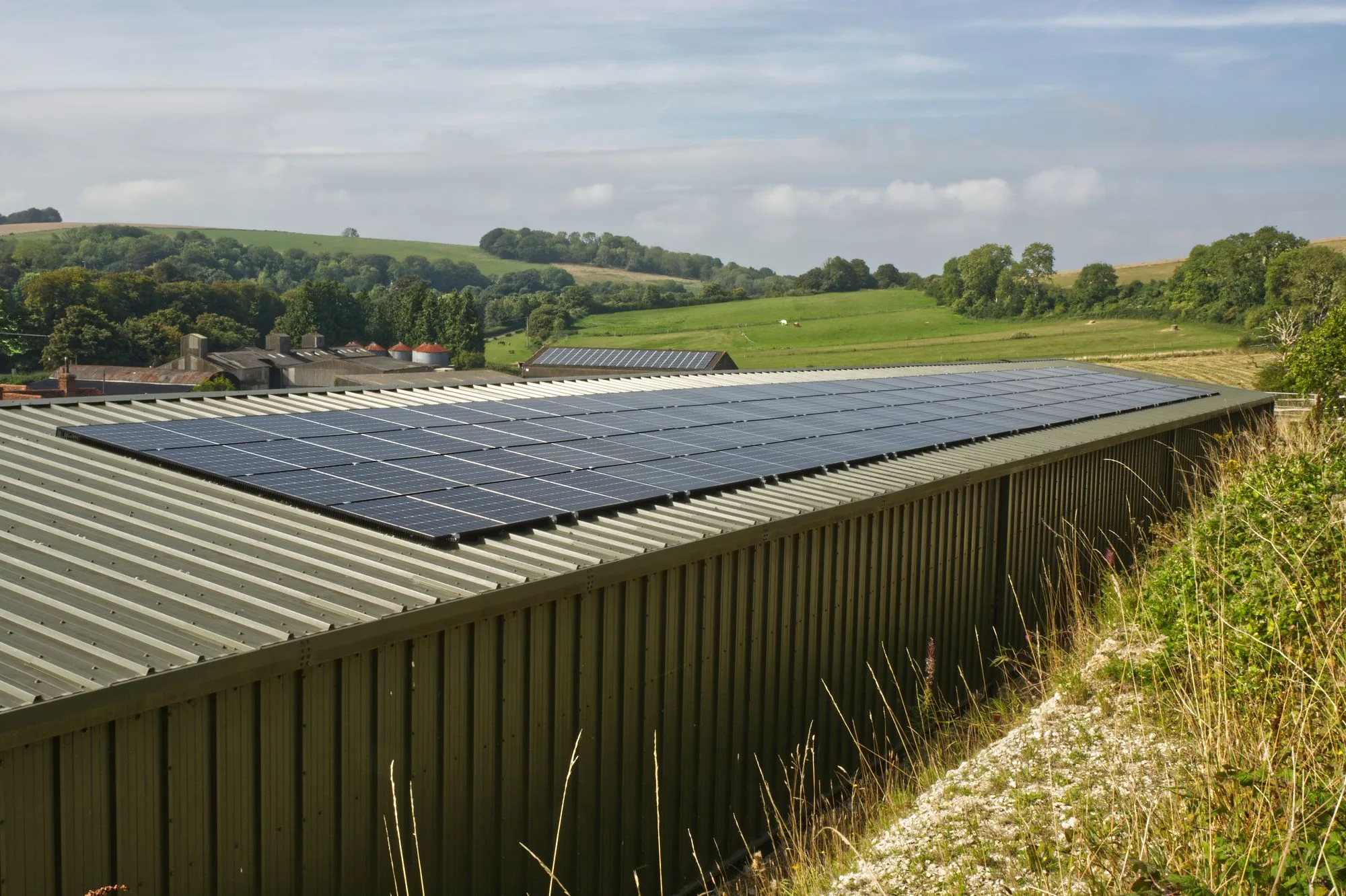
Turn your stable roofs into cheap, renewable electricity.